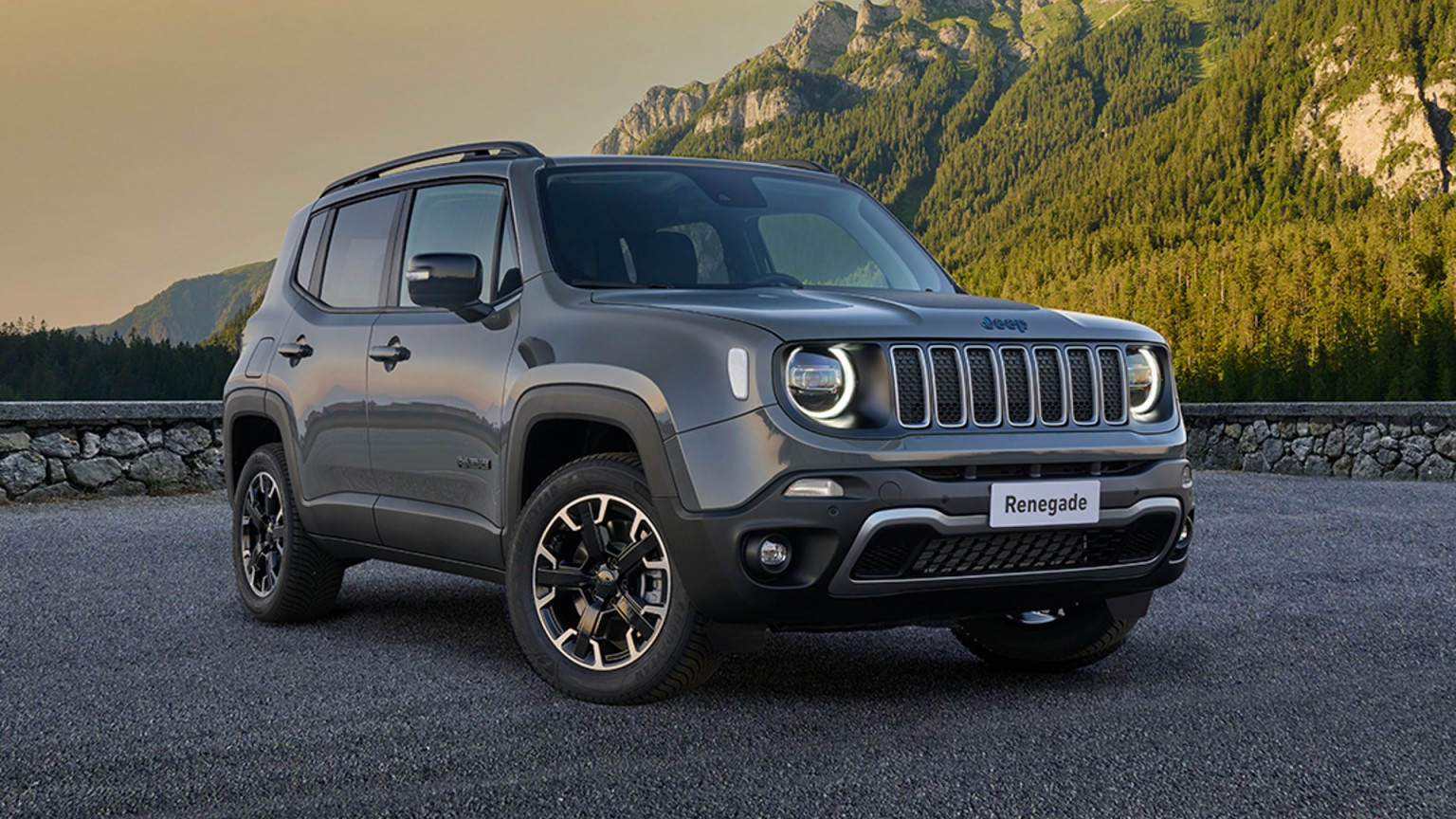
Sticker shock at the pump got you down? You're not alone. As Jeep owners, we love the freedom of the open road (and the trail!), but constantly rising fuel costs and growing environmental concerns can make us rethink our driving habits. The good news is you can actually enjoy your Jeep and drive more responsibly at the same time.
Eco-driving isn’t about turning your Jeep into a boring commuter car. It’s about making smarter choices behind the wheel to maximize fuel efficiency and minimize emissions without sacrificing the Jeep experience. By adopting a few simple driving habits and keeping your Jeep properly maintained, you can significantly reduce your environmental impact and save some serious cash. It's about finding that sweet spot where adventure meets responsibility.
Here's a simple tip you can put into action right away: ease up on the accelerator. Rapid acceleration burns a lot of fuel. Try to accelerate smoothly and gradually. Imagine you have an open cup of coffee on the dashboard – you want to avoid spilling it!
Mastering Fuel-Efficient Driving in Your Jeep
Jeeps, by their nature, aren't the most aerodynamic vehicles on the road. Their rugged design and off-road capabilities often come with a trade-off in fuel efficiency. However, that doesn’t mean you’re stuck with poor gas mileage. A conscious effort to improve your driving habits, combined with proper maintenance, can make a noticeable difference in your Jeep's fuel economy. We will cover these strategies to get the most out of your fuel tank.
Understanding Your Jeep’s Fuel Consumption
Before diving into specific tips, it’s helpful to understand the factors that affect your Jeep's fuel consumption. These can include: Engine Size: Larger engines typically consume more fuel. Vehicle Weight: Heavier vehicles require more energy to move. Tire Size and Type: Larger, more aggressive tires increase rolling resistance. Driving Style: Aggressive driving habits significantly reduce fuel efficiency. Terrain: Off-road driving and hilly terrain increase fuel consumption. Maintenance: Poor maintenance can lead to decreased fuel efficiency.
Smart Driving Habits: Your Key to Fuel Savings
The way you drive has a massive impact on your Jeep's fuel efficiency. Here are some fuel-saving Jeep habits to adopt: Smooth Acceleration and Braking: Avoid sudden acceleration and hard braking. Gradually increase your speed and anticipate stops to minimize fuel waste. Gentle driving is the name of the game. Maintain a Steady Speed: Use cruise control on highways to maintain a consistent speed and avoid unnecessary acceleration and deceleration. This is where cruise control truly shines for fuel efficiency. Avoid Idling: Idling consumes fuel without any movement. If you’re stopped for more than a minute, turn off your engine. Modern engines are designed to handle frequent restarts without damage. Minimize High Speeds: Fuel consumption increases exponentially at higher speeds due to increased wind resistance. Stick to the speed limit and consider reducing your highway speed by 5-10 mph. Plan Your Trips: Combine errands into a single trip to reduce overall mileage and cold starts, which are less fuel-efficient. Use the Right Gear: If you have a manual transmission, shift gears at the optimal RPM range for fuel efficiency. Your owner's manual will provide guidance. Anticipate Traffic: Pay attention to traffic flow and anticipate changes in speed. This allows you to maintain a more consistent speed and avoid unnecessary braking and acceleration. Avoid Rush Hour: If possible, avoid driving during peak traffic times to minimize stop-and-go driving, which is highly inefficient.
Maintaining Your Jeep for Optimal Fuel Efficiency
Regular maintenance is crucial for maximizing your Jeep's fuel efficiency. Here's a maintenance checklist: Regular Oil Changes: Use the recommended oil type and change it according to the manufacturer's specifications. Clean oil reduces friction and improves engine performance. Proper Tire Inflation: Keep your tires properly inflated to the recommended pressure. Underinflated tires increase rolling resistance and reduce fuel economy. Check your tire pressure regularly, especially before long trips. Air Filter Replacement: A clean air filter ensures proper airflow to the engine, which is essential for efficient combustion. Replace your air filter according to the manufacturer's recommendations. Spark Plug Maintenance: Faulty spark plugs can lead to incomplete combustion and reduced fuel efficiency. Replace your spark plugs according to the manufacturer's schedule. Wheel Alignment: Proper wheel alignment reduces tire wear and rolling resistance, improving fuel economy. Have your wheels aligned regularly, especially if you frequently drive off-road. Check and Replace Fluids: Regularly check and replace fluids like transmission fluid, coolant, and brake fluid. Proper fluid levels and condition are essential for optimal performance and fuel efficiency. Inspect Brakes:Make sure your brakes aren't dragging, which can waste fuel.
Reducing Weight and Improving Aerodynamics
While Jeeps aren't known for their aerodynamics, there are steps you can take to minimize drag and reduce weight: Remove Unnecessary Cargo: Carrying extra weight reduces fuel efficiency. Remove any unnecessary items from your vehicle. Remove Roof Racks When Not in Use: Roof racks increase wind resistance. Remove them when you're not using them. Use a Tonneau Cover: If you have a pickup bed, use a tonneau cover to improve aerodynamics. Consider Aftermarket Modifications Carefully: Be mindful of aftermarket modifications that can negatively impact fuel efficiency, such as oversized tires or lift kits.
Green Off-Roading: Minimizing Your Impact on the Trails
For many Jeep owners, off-roading is a significant part of the Jeep experience. While off-roading inevitably consumes more fuel, there are ways to minimize your environmental impact while still enjoying the trails.
Choose Your Trails Wisely: Select trails appropriate for your vehicle and skill level to avoid excessive wheelspin and fuel consumption. Tire Pressure: Lowering tire pressure for off-roading can improve traction but also increase rolling resistance. Find the optimal balance for the terrain and remember to re-inflate your tires when returning to the pavement. Avoid Unnecessary Wheelspin: Control your throttle and avoid spinning your tires, which wastes fuel and damages the trail. Stay on Marked Trails: Respect trail closures and stay on designated trails to protect the environment. Pack Out Everything You Pack In: Leave no trace behind. Dispose of all trash properly and avoid polluting the environment. Consider Synthetic Oils: Synthetic oils can reduce friction and improve engine efficiency, potentially leading to slight fuel savings, even off-road. Join a Responsible Off-Roading Community:Learn about responsible off-roading practices and connect with other environmentally conscious Jeep owners.
Can Jeeps really be fuel efficient?
While Jeeps may not be the most fuel-efficient vehicles on the market, they can achieve respectable gas mileage with mindful driving and proper maintenance. By implementing the strategies discussed in this article, you can significantly improve your Jeep's fuel economy.
What eco-driving habits save the most gas in a Jeep?
Smooth acceleration and braking, maintaining a steady speed, avoiding idling, and minimizing high speeds are among the most effective eco-driving habits for saving gas in a Jeep.
Does off-road driving ruin fuel efficiency?
Off-road driving typically reduces fuel efficiency due to increased rolling resistance, challenging terrain, and the need for lower gear ratios. However, by choosing trails wisely, avoiding unnecessary wheelspin, and maintaining your vehicle, you can minimize the impact on your fuel economy.
Embracing Sustainable Driving for a Brighter Future
Saving gas and reducing emissions with your Jeep doesn’t have to feel like a chore. It's about making conscious choices that benefit both your wallet and the environment. Every small change you make, from adopting smoother driving habits to keeping your Jeep properly maintained, contributes to a more sustainable future. By embracing these simple yet effective strategies, you can continue to enjoy the thrill of driving your Jeep while minimizing your environmental impact. Remember, driving responsibly is a journey, not a destination. Enjoy the ride!

Posting Komentar