Tired of watching your gas money disappear faster than mud on a clean Jeep? You’re not alone. As Jeep owners, we love the freedom and capability our vehicles provide, but let's face it: fuel costs and environmental impact are real concerns.
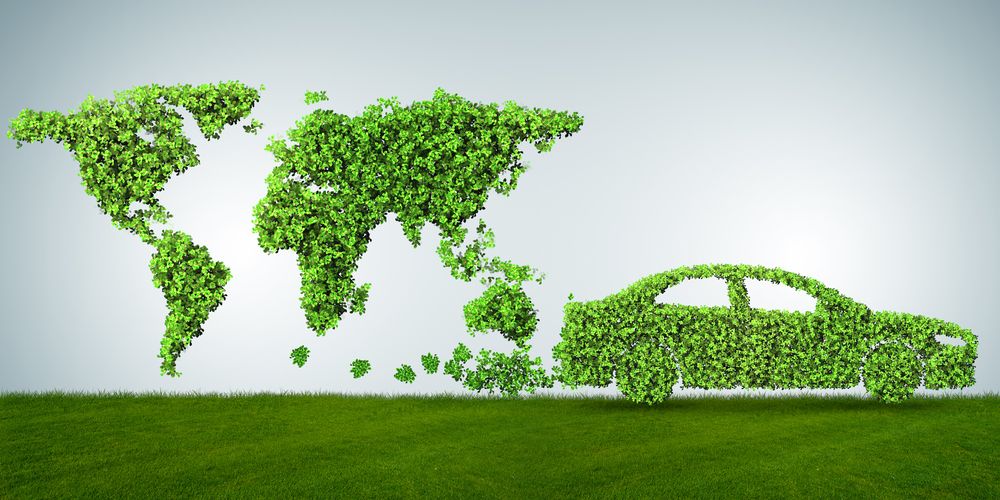
Fortunately, driving a Jeep doesn’t have to mean emptying your wallet and harming the planet. With a few simple adjustments to your driving habits, you can significantly improve your Jeep's fuel efficiency without sacrificing the fun and adventure you expect. Eco-driving is about maximizing your Jeep’s performance while minimizing its footprint – a win-win for you and the environment.
Ready for a change? Try this: Gently accelerate from a stop. Avoid flooring the gas pedal. Smooth acceleration uses less fuel than rapid acceleration, and it’s an easy habit to implement today. You’ll be surprised at the difference it makes!
Mastering Eco-Driving in Your Jeep: A Family Guide
Jeeps are known for their ruggedness and off-road prowess, but that reputation often comes with the perception of poor fuel economy. While it's true that Jeeps aren't typically the most fuel-efficient vehicles on the road, there’s plenty you can do to improve your gas mileage and reduce your environmental impact. This guide focuses on practical, family-friendly eco-driving habits tailored specifically for Jeep owners. We’ll explore everything from simple driving techniques to smart maintenance practices, helping you save money and contribute to a greener future.
Understanding Your Jeep's Fuel Consumption
Before diving into specific eco-driving techniques, it's important to understand the factors that influence your Jeep's fuel consumption. These include: Vehicle Type: Different Jeep models (Wrangler, Grand Cherokee, Compass, etc.) have different fuel efficiency ratings. Smaller, lighter Jeeps generally get better mileage than larger, heavier ones. Engine Type: Engine size and technology play a crucial role. Newer engines often incorporate fuel-saving technologies like cylinder deactivation and turbocharging. Driving Conditions: City driving with frequent stop-and-go traffic consumes more fuel than highway driving at a consistent speed. Tire Size and Type: Larger, off-road tires can increase rolling resistance, reducing fuel efficiency. Vehicle Load: Carrying heavy loads, such as camping gear or passengers, increases fuel consumption. Aerodynamics: The boxy shape of many Jeeps, particularly the Wrangler, isn't inherently aerodynamic, which can impact fuel economy at higher speeds.
By understanding these factors, you can make informed decisions about how to optimize your Jeep's fuel efficiency.
Fuel-Saving Jeep Driving Techniques
The way you drive has a huge impact on your Jeep's fuel consumption. Adopting these simple driving techniques can significantly improve your gas mileage: Smooth Acceleration and Braking: Avoid sudden acceleration and hard braking. Gentle, gradual acceleration and smooth braking are much more fuel-efficient. Anticipate traffic flow and coast to a stop whenever possible. Maintain a Steady Speed: Use cruise control on the highway to maintain a consistent speed. Fluctuations in speed waste fuel. Avoid Idling: Idling burns fuel unnecessarily. If you're stopped for more than a minute, turn off the engine. Modern Jeeps are designed to restart quickly and efficiently. Minimize Aggressive Driving: Avoid speeding, weaving in and out of traffic, and tailgating. Aggressive driving wastes fuel and increases the risk of accidents. Use Overdrive (If Equipped): Use the highest gear possible without straining the engine. Overdrive gears reduce engine RPMs, saving fuel. Anticipate Traffic: Look ahead and anticipate traffic lights and changes in traffic flow. This allows you to coast and avoid unnecessary braking and acceleration.
People Also Ask:
Can Jeeps really be fuel efficient?
While Jeeps may not be the most fuel-efficient vehicles overall, adopting eco-driving habits and maintaining your vehicle properly can significantly improve their gas mileage. Focusing on smooth driving, reducing idling, and keeping your tires properly inflated are great starting points.
Optimizing Your Jeep for Fuel Efficiency
Beyond driving techniques, several maintenance and modification practices can improve your Jeep's fuel efficiency: Regular Maintenance: Follow your Jeep's recommended maintenance schedule. Regular oil changes, tune-ups, and air filter replacements keep your engine running efficiently. Tire Pressure: Keep your tires properly inflated. Underinflated tires increase rolling resistance, reducing fuel efficiency. Check your tire pressure regularly and inflate to the recommended level (found on the sticker inside your driver's side door). Wheel Alignment: Ensure your wheels are properly aligned. Misaligned wheels can increase rolling resistance and tire wear, reducing fuel efficiency. Reduce Weight: Remove unnecessary items from your Jeep. Carrying extra weight increases fuel consumption. Aerodynamic Improvements (Considerations): While the Wrangler's design inherently isn't aerodynamic, consider adding a hard top if you have a soft top, as it can slightly improve aerodynamics. For other Jeep models, ensure roof racks are streamlined and only used when needed. Choose Fuel-Efficient Tires: When replacing tires, consider choosing tires with low rolling resistance. These tires are designed to improve fuel efficiency without sacrificing safety or performance. Use the Correct Oil:Use the type of oil recommended in your owner's manual. Using the wrong oil can reduce engine efficiency.
People Also Ask:
What eco-driving habits save the most gas in a Jeep?
Maintaining a steady speed on the highway, avoiding aggressive acceleration and braking, and minimizing idling are the most effective eco-driving habits for saving gas in a Jeep. Keeping your tires properly inflated and ensuring your vehicle is well-maintained also significantly contributes to fuel efficiency.
Green Off-Roading: Responsible Adventure
For many Jeep owners, off-roading is a passion. While off-roading inherently consumes more fuel than on-road driving, you can still minimize your environmental impact: Stay on Designated Trails: Avoid creating new trails, which can damage vegetation and disrupt wildlife habitats. Tread Lightly: Drive slowly and carefully on trails to minimize erosion and damage to the environment. Pack Out Everything You Pack In: Leave no trace behind. Pack out all trash, food wrappers, and other waste. Respect Wildlife: Observe wildlife from a distance and avoid disturbing their natural habitat. Plan Your Route: Plan your route carefully to avoid getting stuck or lost, which can result in unnecessary fuel consumption and environmental damage. Consider a Fuel-Efficient Off-Road Tire: Some off-road tires are designed with fuel efficiency in mind, offering a balance between off-road performance and on-road fuel economy. Travel in a Group (Safely):When appropriate, travel with other Jeep enthusiasts, increasing safety and potentially reducing the overall impact on the environment (carpooling to the trail head, for example).
People Also Ask:
Does off-road driving ruin fuel efficiency?
Yes, off-road driving typically results in significantly lower fuel efficiency compared to on-road driving. The terrain, lower gearing, and increased tire pressure needed for off-roading all contribute to higher fuel consumption. However, responsible off-roading practices can minimize the negative impact.
Family Eco-Driving Tips: Involving Everyone
Eco-driving isn't just about individual habits; it's about creating a family culture of sustainability. Here are some tips for involving your family in your eco-driving efforts: Educate Your Children: Explain to your children why eco-driving is important and how they can help. Make it a Game: Turn eco-driving into a game by tracking your fuel efficiency and rewarding improvements. Plan Eco-Friendly Road Trips: Choose destinations that are accessible by public transportation or that offer opportunities for hiking and biking. Encourage Cycling and Walking: Whenever possible, encourage your family to walk or bike instead of driving. Lead by Example: Demonstrate eco-driving habits yourself and encourage your family to follow your lead. Involve Them in Maintenance: Let older children help with simple maintenance tasks like checking tire pressure. This teaches them about vehicle care and the importance of fuel efficiency. Discuss the Impact:Talk about the connection between driving habits, fuel consumption, and the environment. Help them understand the broader impact of their choices.
Utilizing Jeep Technology for Fuel Efficiency
Modern Jeeps come equipped with various technologies that can help you improve fuel efficiency. Familiarize yourself with these features and learn how to use them effectively: Eco Mode: Many Jeeps have an "Eco" mode that optimizes engine performance for fuel efficiency. Activate this mode when appropriate. Start-Stop Technology: Some Jeeps have start-stop technology, which automatically shuts off the engine when you come to a stop and restarts it when you release the brake. This can significantly reduce fuel consumption in city driving. Real-Time Fuel Economy Display: Use the real-time fuel economy display to monitor your fuel consumption and adjust your driving habits accordingly. Tire Pressure Monitoring System (TPMS): The TPMS alerts you when your tire pressure is low, helping you maintain optimal fuel efficiency. Infotainment System Integration:Some infotainment systems offer features that track your driving habits and provide feedback on how to improve your fuel efficiency.
By taking advantage of these technologies, you can further enhance your eco-driving efforts.
Long-Term Benefits of Eco-Driving
Adopting eco-driving habits offers a multitude of long-term benefits, both for you and the environment: Reduced Fuel Costs: Save money on gas by improving your Jeep's fuel efficiency. Lower Emissions: Reduce your carbon footprint and contribute to cleaner air. Extended Vehicle Life: Smooth driving and regular maintenance can extend the life of your Jeep. Improved Safety: Eco-driving techniques, such as smooth acceleration and braking, can improve your safety on the road. Enhanced Resale Value: A well-maintained and fuel-efficient Jeep may have a higher resale value. Positive Environmental Impact: Contribute to a more sustainable future by reducing your environmental impact.
By embracing eco-driving, you're not just saving money and reducing emissions; you're investing in a healthier planet and a more sustainable future for your family.
Embracing eco-smart driving habits is a journey, not a destination. Start with one or two tips and gradually incorporate more into your daily routine. Over time, these small changes will add up to significant savings and a positive impact on the environment. Remember, driving a Jeep is about adventure and freedom, and with a little effort, you can enjoy those benefits while being a responsible steward of the planet. Drive on, responsibly!

Posting Komentar