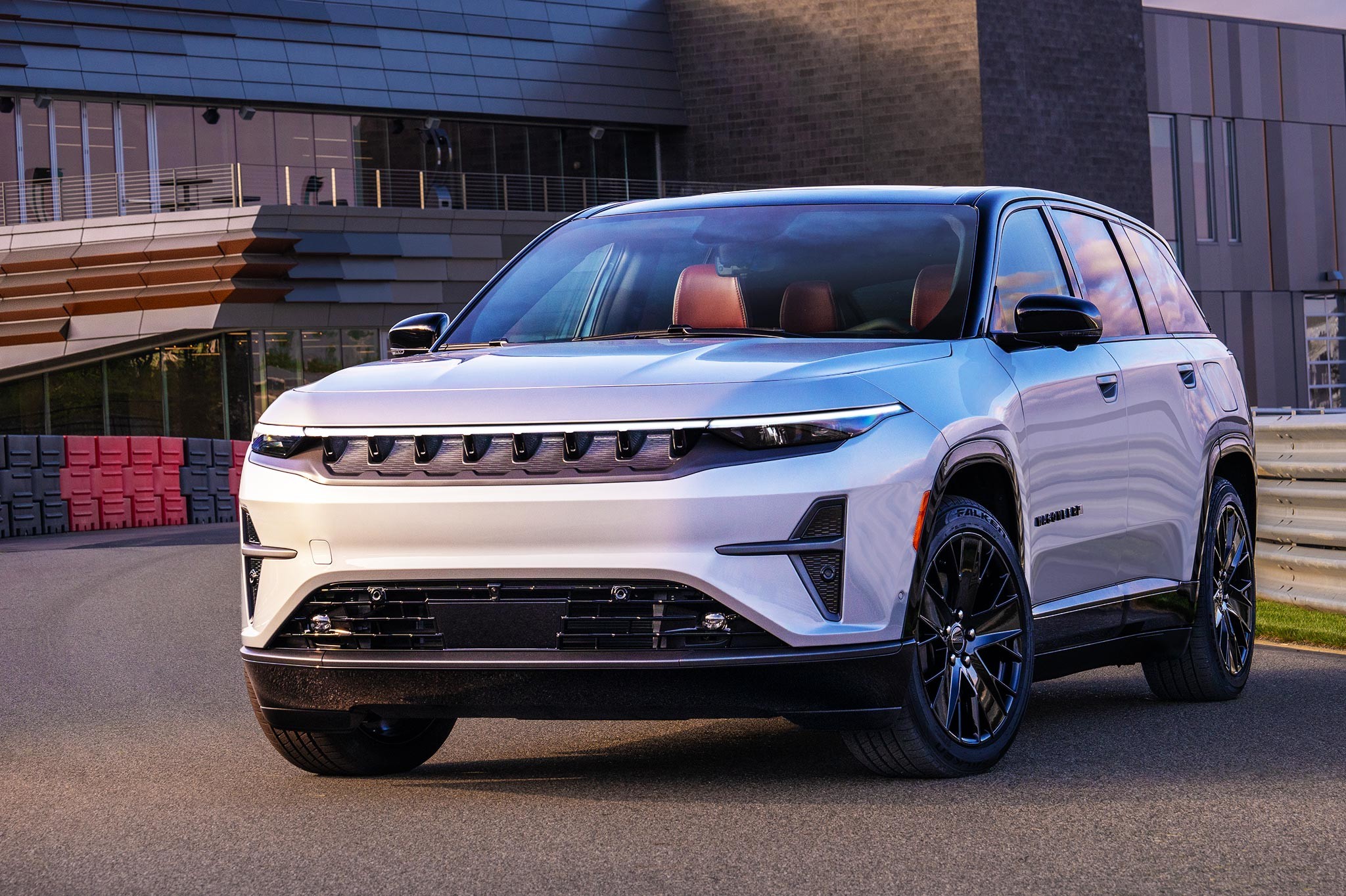
Spending a fortune at the pump lately? As Jeep owners, we love the freedom and capability our vehicles provide, but we're also feeling the pinch of rising fuel costs. Plus, many of us are looking for ways to minimize our environmental impact without giving up the Jeep lifestyle.
Good news: you don’t have to choose! Eco-friendly driving habits can significantly improve your Jeep fuel efficiency and reduce emissions without turning your adventurous spirit into a distant memory. We’re talking real-world changes that fit into your busy life, saving you money and helping the planet, all while still enjoying your Jeep. This isn't about sacrificing performance; it's about optimizing it.
Ready to start making a difference today? Try this simple habit: smooth acceleration. Avoid stomping on the gas pedal. Instead, gently increase your speed. This alone can drastically improve your Jeep's fuel economy, especially in city driving.
Simple Eco-Driving Techniques for Maximum Jeep Fuel Efficiency
It’s easy to think that eco-driving is only for small cars or hybrids. But trust us, these techniques work for Jeeps too! The key is understanding how your driving style impacts fuel consumption and making small adjustments that add up to big savings. These tips aren't about turning your Jeep into something it's not – they're about driving smarter and more efficiently. You bought a Jeep for its capabilities; let's make sure you can afford to use them!
Maintain Optimal Tire Pressure
This one might seem basic, but it's often overlooked. Underinflated tires increase rolling resistance, forcing your engine to work harder and burn more fuel. Check your tire pressure regularly (at least once a month, and before any long trips) and inflate them to the recommended pressure listed on the sticker inside your driver's side doorjamb or in your owner's manual. This small act can improve your gas mileage by up to 3%, which adds up over time. Properly inflated tires also improve handling and extend tire life, saving you even more money in the long run. Think of it as preventative maintenance that pays you back at the pump!
Reduce Idling Time
Idling is a gas guzzler! Modern engines don’t need to warm up for extended periods. In fact, idling for more than 10 seconds typically wastes more fuel than restarting the engine. If you're waiting for someone, stuck in a long traffic jam, or chatting with a friend, turn off your engine. It’s a simple habit that can save a surprising amount of fuel, especially in urban environments. For Jeep owners in colder climates, you might be tempted to idle for longer to warm up the cabin. Instead, consider remote start features (if equipped) to warm up the engine efficiently, or dress warmly and get moving – your engine will warm up faster while driving.
Anticipate Traffic and Coast When Possible
Being a proactive driver can significantly improve your fuel efficiency. Pay attention to traffic flow and anticipate stops and slowdowns. Instead of slamming on the brakes, try coasting to a stop by taking your foot off the accelerator well in advance. This allows your Jeep to maintain momentum and avoid unnecessary braking and acceleration, which burn extra fuel. When approaching a red light, lift off the gas and let the Jeep slow down naturally. You’ll be surprised at how much fuel you save by simply anticipating and coasting.
Lighten the Load
Extra weight puts a strain on your engine and decreases fuel efficiency. Remove any unnecessary items from your Jeep. That includes things like roof racks (when not in use), tools you don’t need, and any other clutter you've been hauling around. Every extra 100 pounds can reduce your MPG by about 1%, especially on city streets. For off-road enthusiasts, think about what gear you truly need for each trip. Leaving behind unnecessary items can make a noticeable difference in your fuel consumption.
Plan Your Trips Efficiently
Combine errands into a single trip instead of making multiple short trips. A cold engine uses more fuel than a warm one, so consolidating your errands minimizes the number of times your engine needs to start from cold. Use a route planning app to find the most efficient route and avoid traffic congestion. Consider carpooling with friends or colleagues if possible. Planning ahead saves time, reduces stress, and helps you conserve fuel.
Use Cruise Control Wisely
Cruise control can be your friend on long highway drives. It helps maintain a consistent speed, preventing you from unintentionally accelerating and decelerating, which wastes fuel. However, avoid using cruise control in hilly terrain, as your Jeep may downshift frequently to maintain speed, negating any potential fuel savings. Also, be mindful of traffic conditions; disengage cruise control when approaching other vehicles or in stop-and-go traffic.
Regular Maintenance is Key
A well-maintained Jeep is a fuel-efficient Jeep. Follow your manufacturer's recommended maintenance schedule, including regular oil changes, air filter replacements, and tune-ups. A dirty air filter restricts airflow to the engine, reducing performance and fuel economy. Old, worn spark plugs can also decrease efficiency. Keeping your Jeep in top running condition ensures it operates optimally and consumes fuel efficiently. Don’t skip those scheduled service appointments! They’re an investment in your Jeep's longevity and fuel economy.
Choose the Right Fuel
Use the fuel grade recommended in your owner's manual. Unless your manual specifically calls for premium fuel, using it won't improve your Jeep's performance or fuel economy. In fact, it's just a waste of money. Stick to the recommended octane level and choose a reputable gas station. You might also consider using fuel additives designed to clean your fuel injectors, which can improve fuel efficiency over time.
Minimize Air Conditioning Use
Air conditioning puts a significant strain on your engine and reduces fuel economy. When possible, roll down your windows or use the ventilation system instead. If you must use the AC, try to use it sparingly, especially on short trips. Park in the shade to keep your Jeep cooler, reducing the need for air conditioning when you start driving. You can also tint your windows to block out some of the sun's heat.
Consider Eco-Friendly Jeep Modifications (Carefully!)
While Jeep modifications are a popular way to personalize your vehicle, some modifications can negatively impact fuel efficiency. Larger, heavier tires, lift kits, and roof racks can increase drag and weight, reducing your MPG. If you're concerned about fuel economy, choose modifications carefully and consider their potential impact. Opt for lighter-weight components and aerodynamic designs. Some modifications, like performance tuners, can actually improve fuel efficiency, but do your research and choose reputable products.
Green Off-Road Driving: Minimizing Your Impact
Even off-road, you can practice eco-friendly driving habits. Responsible off-roading is about minimizing your impact on the environment and preserving the trails for future generations.
Stay on Designated Trails: Avoid creating new trails, as this can damage sensitive ecosystems and disrupt wildlife habitats. Tread Lightly: Drive slowly and carefully, avoiding excessive wheel spin and erosion. Pack Out What You Pack In: Don't leave any trash behind. Carry out everything you brought with you, including food wrappers, bottles, and broken equipment. Respect Wildlife: Observe wildlife from a distance and avoid disturbing their natural habitats. Avoid Mudding (When Possible): Mudding can damage trails and pollute waterways. If possible, choose routes that avoid muddy areas. If you must drive through mud, do so slowly and carefully to minimize disturbance. Consider Electric or Hybrid Off-Roading Options: As technology advances, electric and hybrid Jeeps are becoming increasingly capable off-road. These vehicles offer zero-emission driving and reduced noise pollution, making them a more sustainable option for off-road adventures.
People Also Ask:
Can Jeeps really be fuel efficient?
While Jeeps aren't known for being the most fuel-efficient vehicles, by adopting eco-driving habits and maintaining your vehicle properly, youcansignificantly improve your gas mileage. It's about making smart choices behind the wheel and optimizing your Jeep's performance.
What eco-driving habits save the most gas in a Jeep?
Smooth acceleration and anticipating traffic are two of the most impactful eco-driving habits for Jeeps. Avoiding sudden acceleration and braking, and coasting to a stop whenever possible, can significantly reduce fuel consumption.
Does off-road driving ruin fuel efficiency?
Yes, off-road driving typically reduces fuel efficiency due to increased rolling resistance, lower speeds, and the use of four-wheel drive. However, practicing responsible off-roading techniques, such as staying on designated trails and avoiding excessive wheel spin, can help minimize the impact on fuel economy and the environment.
Are there specific Jeep models better suited for fuel efficiency?
Yes, models with smaller engines and less weight generally offer better fuel economy. For example, the Jeep Compass and Jeep Renegade tend to be more fuel-efficient than the larger Jeep Wrangler or Jeep Grand Cherokee. Also, consider hybrid or plug-in hybrid versions, like the Wrangler 4xe, for even better gas mileage.
Eco-Friendly Jeep Ownership: A Journey, Not a Destination
Remember, adopting eco-friendly driving habits is a journey, not a destination. Start with a few simple techniques and gradually incorporate more into your routine. Every small change makes a difference. By driving smarter, maintaining your Jeep properly, and making conscious choices, you can enjoy the freedom and capability of your Jeep while minimizing your environmental impact and saving money at the pump. It’s about responsible enjoyment of your vehicle, both on and off the road. You've got this!

Posting Komentar