Feeling the pinch at the pump when you fill up your beloved Jeep? You're not alone. Many Jeep families are looking for ways to keep their adventures rolling without breaking the bank – or harming the planet. The good news is, with a few smart driving habits and some savvy maintenance, you can boost your Jeep's fuel efficiency and drive greener without sacrificing the fun.
Eco-driving isn't about turning your Jeep into a Prius. It's about making small, conscious changes to your driving style and vehicle upkeep that add up to big savings in fuel and emissions. We're talking about practical, real-world adjustments that allow you to enjoy the power and capability of your Jeep while minimizing its impact on your wallet and the environment. Even a rugged Wrangler can benefit!
Ready to start saving right now? Try easing up on the accelerator. Rapid acceleration burns significantly more fuel. Aim for smooth, gradual starts and stops. Imagine you have an open cup of coffee on your dashboard – avoid spilling it! This simple change can noticeably improve your Jeep's gas mileage.
Simple Strategies for a Greener Jeep
Making your Jeep more eco-friendly doesn't require a complete overhaul. Often, it’s about adopting a few simple strategies and being mindful of your driving habits. Let's explore some practical tips you can implement today to boost your Jeep fuel efficiency.
Regular Maintenance: The Foundation of Fuel Efficiency
Neglecting routine maintenance is like throwing money down the drain. A well-maintained Jeep runs more efficiently and produces fewer emissions. Here's a breakdown of key maintenance areas: Tire Pressure: This is arguably the easiest way to improve your fuel economy. Check your tire pressure at least once a month and ensure it matches the recommended PSI listed on the sticker inside your driver's side door. Underinflated tires increase rolling resistance, which means your engine has to work harder, burning more fuel. Even a slight drop in pressure can negatively affect mileage. Air Filter: A clogged air filter restricts airflow to the engine, reducing performance and fuel efficiency. Replace your air filter according to your Jeep's maintenance schedule, or even more frequently if you often drive in dusty or off-road conditions. Oil Changes: Regular oil changes are crucial for engine health and optimal performance. Use the correct type of oil recommended for your Jeep. Old, dirty oil increases friction within the engine, leading to reduced efficiency. Spark Plugs: Worn or faulty spark plugs can cause misfires, leading to decreased fuel economy and increased emissions. Replace them according to the manufacturer's recommendations. Wheel Alignment:Proper wheel alignment ensures your tires roll smoothly and evenly, minimizing rolling resistance. If your Jeep pulls to one side or your tires are wearing unevenly, get a wheel alignment check.
Driving Habits: Where the Rubber Meets the Road
Your driving habits have a significant impact on your Jeep's fuel consumption. By adopting a few eco-friendly driving techniques, you can dramatically improve your gas mileage.
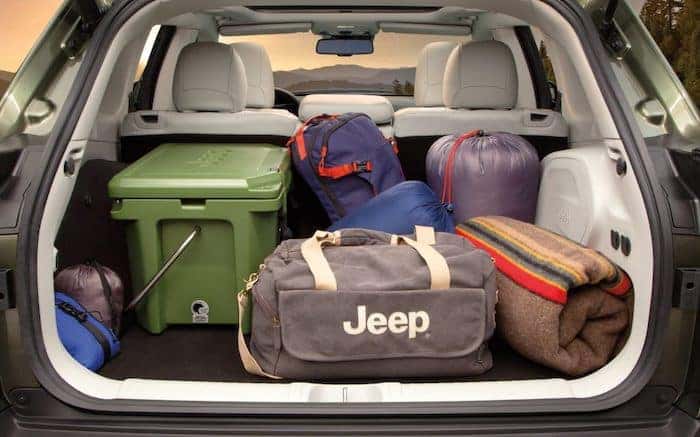
Avoid Aggressive Driving: As mentioned earlier, rapid acceleration and hard braking are fuel-guzzlers. Practice smooth, controlled acceleration and anticipate traffic flow to avoid unnecessary braking. Maintain a Consistent Speed: Use cruise control on the highway to maintain a steady speed. Varying your speed constantly wastes fuel. Reduce Idling: Idling wastes gas and pollutes the air. If you're going to be stopped for more than a minute, turn off your engine. Modern Jeeps are designed to restart quickly and efficiently. Use Overdrive: When cruising at highway speeds, use the overdrive gear to reduce engine RPMs and improve fuel economy. Lighten the Load: Remove unnecessary items from your Jeep. Extra weight reduces fuel efficiency. Do you really need those golf clubs in the back all the time? Plan Your Trips: Combine errands into a single trip to minimize driving distance and cold starts. Cold starts consume more fuel than warm starts. Be Mindful of Terrain:When off-roading, choose the appropriate gear and driving mode for the terrain. Using low-range unnecessarily will significantly reduce fuel efficiency.
Smart Modifications: Upgrades That Save
While some modifications can decrease fuel efficiency (think large tires and heavy winches), others can actually improve it.
Low Rolling Resistance Tires: Consider switching to tires with a lower rolling resistance when it's time for a replacement. These tires are designed to reduce friction with the road, improving fuel economy. Aerodynamic Improvements: For highway driving, consider adding aerodynamic improvements like a front air dam or a tonneau cover for your Jeep Gladiator. These can reduce drag and improve fuel efficiency. Engine Tuning:A professional engine tune-up can optimize your engine's performance and improve fuel economy. However, be cautious about aftermarket modifications that promise drastic fuel savings – always do your research and choose reputable products.
Green Off-Road Driving: Respecting the Trail
Off-roading is a core part of the Jeep experience, but it can also be fuel-intensive. Here are some tips for minimizing your environmental impact while enjoying the trails: Stay on Designated Trails: This protects fragile ecosystems and prevents soil erosion. Tread Lightly: Avoid spinning your tires, as this can damage trails and increase fuel consumption. Pack Out What You Pack In: Leave no trace behind. Respect Wildlife: Avoid disturbing animals or their habitats. Consider Joining a Tread Lightly! Organization:Support organizations dedicated to responsible off-road recreation.
Addressing Common Concerns: Jeep Fuel Efficiency FAQs
Let's tackle some of the frequently asked questions Jeep owners have about fuel efficiency and eco-driving.
Can Jeeps really be fuel efficient?
While Jeeps are not typically known for being the most fuel-efficient vehicles on the road, they can achieve respectable gas mileage with the right driving habits, proper maintenance, and smart modifications. The key is to understand your Jeep's limitations and drive accordingly. Newer Jeep models often incorporate fuel-saving technologies like engine stop-start systems and improved aerodynamics. Even older models can benefit significantly from simple changes like maintaining proper tire pressure and avoiding aggressive driving. Remember, "fuel efficient" is relative – a Jeep Wrangler will likely never match the MPG of a compact sedan, but it can certainly perform better than you might expect with a conscious effort.
What eco-driving habits save the most gas in a Jeep?
The single most impactful eco-driving habit for a Jeep owner is to avoid aggressive driving. This includes rapid acceleration, hard braking, and excessive speeding. Smooth, controlled driving not only saves fuel but also reduces wear and tear on your vehicle. Additionally, minimizing idling, maintaining a consistent speed on the highway, and ensuring proper tire inflation can make a significant difference. Combining these habits with regular maintenance, such as air filter and oil changes, will yield the best results for fuel efficiency.
Does off-road driving ruin fuel efficiency?
Yes, off-road driving typically reduces fuel efficiency significantly. The uneven terrain, lower gears, and increased rolling resistance of driving on dirt, sand, or rocks all contribute to higher fuel consumption. However, you can mitigate this by choosing appropriate gears for the terrain, avoiding unnecessary wheel spin, and sticking to designated trails. Also, consider the added weight of off-road accessories like winches and heavy-duty bumpers, as these can further decrease fuel efficiency. Remember to re-inflate your tires to the recommended pressure for on-road driving after you finish off-roading to maximize fuel economy.
Making Eco-Smart Choices a Habit
Adopting eco-smart habits for your Jeep isn't about deprivation; it's about making informed choices that benefit both your wallet and the environment. By implementing the tips outlined above, you can enjoy your Jeep's capabilities while minimizing its environmental impact.
Start small, focus on one or two changes at a time, and track your progress. You might be surprised at how much fuel you can save simply by adjusting your driving habits and maintaining your vehicle properly. Remember, every little bit counts! So, embrace these fuel-saving Jeep habits and enjoy the journey, knowing you're making a positive difference. Sustainable driving is within reach for every Jeep family.

Posting Komentar