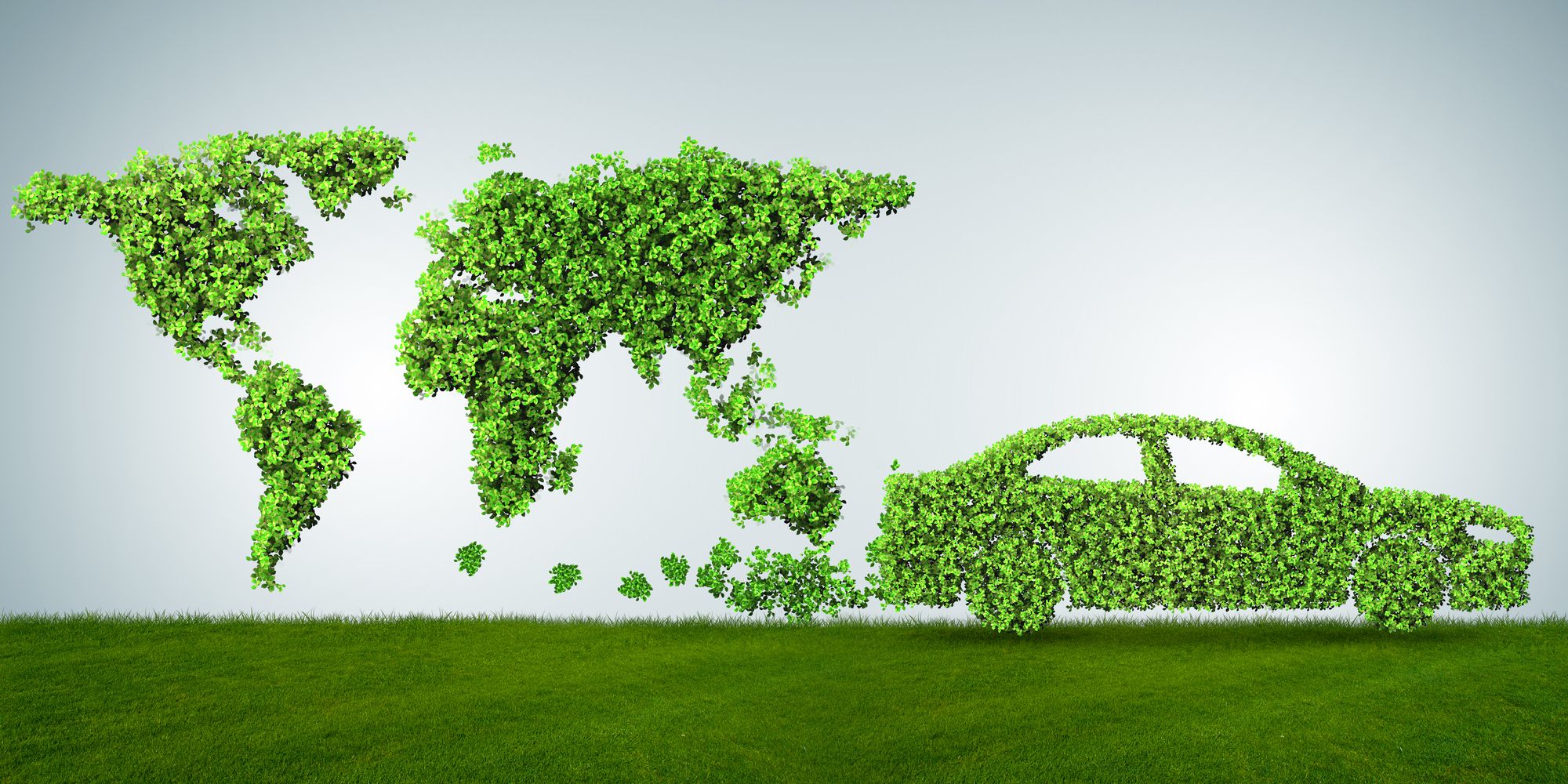
Fuel costs got you down? Want to lessen your impact on the environment? You’re not alone. As Jeep owners, we love the freedom and capability our vehicles offer, but that doesn’t mean we can’t be mindful of our fuel consumption and emissions. The good news is, with a few simple adjustments to your driving habits, you can enjoy your Jeep while being kinder to your wallet and the planet.
Eco-driving isn't about sacrificing performance or the joy of owning a Jeep; it's about optimizing your driving technique to maximize fuel efficiency and minimize your environmental footprint. You can still conquer trails and cruise comfortably, but with a more conscious approach. We'll show you how to adopt fuel-saving Jeep habits that make a real difference, without compromising the adventures you love.
Ready to start saving fuel today? Try this simple tip: Gradually accelerate from a stop. Avoid stomping on the gas pedal. Smooth acceleration uses significantly less fuel and reduces wear and tear on your Jeep's components.
Eco-Smart Jeep Driving Habits for Everyday Life
Adopting eco-driving habits for your Jeep doesn't require drastic changes. It's about understanding how your driving style affects fuel consumption and making small adjustments that add up to significant savings over time. We'll explore practical, easy-to-implement strategies that will help you get the most out of your Jeep, while reducing your environmental impact. This isn't about lecturing you; it's about empowering you with the knowledge and tools to drive smarter. Whether you're commuting to work, running errands, or hitting the trails, these fuel-saving Jeep habits will help you conserve fuel and reduce emissions.
Mastering the Art of Smooth Driving
Aggressive driving, characterized by rapid acceleration, hard braking, and high speeds, is a major fuel guzzler. By smoothing out your driving style, you can dramatically improve your Jeep's fuel efficiency. Anticipate traffic flow, maintain a steady speed, and avoid unnecessary braking.
Gentle Acceleration: As mentioned earlier, accelerate gradually from a stop. Imagine there's an egg between your foot and the gas pedal – try not to break it!
Maintain a Consistent Speed: Cruise control is your friend, especially on highways. Maintaining a steady speed minimizes fuel consumption. However, be mindful of terrain; on hilly roads, subtle adjustments might be more efficient than cruise control.
Anticipate Traffic: Scan the road ahead and anticipate changes in traffic flow. This allows you to coast to a stop or slow down gradually, instead of slamming on the brakes. Look far ahead, anticipating lights and merges.
Avoid Tailgating: Following too closely forces you to brake frequently, wasting fuel. Maintain a safe following distance to allow for smoother, more efficient driving.
People Also Ask
Can Jeeps really be fuel efficient?
While Jeeps aren't typically known for being the most fuel-efficient vehicles on the market, adopting eco-driving habits can significantly improve their gas mileage. Proper maintenance, tire inflation, and conscious driving techniques can all contribute to better fuel economy. Newer Jeep models, particularly those with smaller engines or hybrid technology, also offer improved fuel efficiency compared to older models.
Maintaining Your Jeep for Optimal Fuel Efficiency
Regular maintenance is crucial for maximizing your Jeep's fuel efficiency. A well-maintained Jeep runs smoother and more efficiently, saving you money at the pump.
Regular Oil Changes: Use the recommended oil type and change it according to the manufacturer's schedule. Clean oil lubricates the engine, reducing friction and improving fuel efficiency.
Air Filter Replacement: A clean air filter allows the engine to breathe properly, improving combustion and fuel economy. Check and replace the air filter regularly.
Spark Plug Maintenance: Worn or fouled spark plugs can reduce engine efficiency and increase fuel consumption. Replace them according to the manufacturer's recommendations.
Tire Inflation: Properly inflated tires reduce rolling resistance, which improves fuel efficiency. Check your tire pressure regularly and inflate them to the recommended pressure (found on the sticker inside your driver's side door).
Wheel Alignment: Misaligned wheels can cause increased rolling resistance and uneven tire wear, both of which negatively impact fuel efficiency. Have your wheel alignment checked and adjusted as needed.
Check and Replace Fluids: Transmission fluid, coolant, and brake fluid all play vital roles in your Jeep's performance and efficiency. Ensure these fluids are at the correct levels and replaced according to the maintenance schedule.
Minimizing Weight and Drag
The heavier your Jeep and the more aerodynamic drag it experiences, the more fuel it will consume. Reducing weight and minimizing drag can help improve fuel efficiency.
Remove Unnecessary Weight: Clean out your Jeep and remove any unnecessary items. Extra weight reduces fuel efficiency. Do you really need that extra set of tools in the backallthe time?
Minimize Roof Rack Usage: Roof racks and cargo carriers create aerodynamic drag, which increases fuel consumption. Remove them when not in use.
Choose the Right Tires: Consider using low-rolling-resistance tires, especially for on-road driving. These tires are designed to reduce friction and improve fuel efficiency.
People Also Ask
What eco-driving habits save the most gas in a Jeep?
Aggressive driving is a major fuel guzzler. Smoothing out your driving style by accelerating gently, maintaining a consistent speed, and anticipating traffic flow will dramatically improve your Jeep's fuel efficiency. Proper tire inflation and regular maintenance are also essential for maximizing fuel economy.
Eco-Conscious Off-Roading: Tread Lightly
Even when venturing off the beaten path, you can still practice eco-conscious driving habits. Respect the environment and minimize your impact on the trails. Responsible off-roading helps preserve the natural beauty we all enjoy.
Stay on Designated Trails: Driving off-trail can damage vegetation and contribute to erosion. Stick to established trails to minimize your impact on the environment.
Avoid Spinning Your Tires: Excessive wheel spin can damage the trail and waste fuel. Use low gears and maintain a steady speed to avoid spinning your tires.
Pack Out Everything You Pack In: Leave no trace behind. Pack out all trash and waste.
Respect Wildlife: Observe wildlife from a distance and avoid disturbing their habitat.
Consider a Smaller Engine: If you're planning on buying a new Jeep specifically for off-roading (and fuel efficiency is a concern), consider models with smaller, more fuel-efficient engine options. These engines can still provide ample power for most off-road adventures, while consuming less fuel.
Plan Your Route: Planning your off-road route ahead of time can help you avoid unnecessary detours and minimize fuel consumption. Use maps and GPS to navigate efficiently.
Optimizing Your Route and Trip Planning
Smart route planning and trip optimization can also contribute to fuel savings. Taking a little time to plan your journey can make a big difference in fuel consumption.
Combine Errands: Group errands together to minimize the number of trips you take. This reduces cold starts, which consume more fuel.
Avoid Peak Traffic Hours: Driving during peak traffic hours can lead to stop-and-go driving, which wastes fuel. Plan your trips to avoid congested areas.
Use GPS Navigation: GPS navigation can help you find the most efficient route to your destination, avoiding traffic and construction.
Consider Carpooling or Public Transportation: When possible, carpool with others or use public transportation to reduce the number of vehicles on the road.
People Also Ask
Does off-road driving ruin fuel efficiency?
Off-road driving typically reduces fuel efficiency due to the challenging terrain, lower speeds, and increased use of four-wheel drive. However, practicing responsible off-roading techniques, such as staying on designated trails and avoiding excessive wheel spin, can help minimize the impact on fuel economy.
Embracing Technology for Fuel Efficiency
Modern Jeep models often come equipped with features that can help improve fuel efficiency. Learn how to use these features effectively.
Eco Mode: Many newer Jeeps have an "Eco" mode that optimizes engine performance and transmission settings for fuel efficiency. Engage this mode when appropriate.
Start-Stop Technology: Some Jeeps feature start-stop technology, which automatically shuts off the engine when the vehicle comes to a complete stop and restarts it when you release the brake pedal. This can save fuel in stop-and-go traffic.
Hybrid and Electric Models: Consider a hybrid or electric Jeep model for even greater fuel efficiency and reduced emissions. These models offer a significant improvement in fuel economy compared to traditional gasoline-powered Jeeps.
Monitor Fuel Consumption: Use the Jeep's onboard fuel economy display to monitor your fuel consumption and track your progress in adopting eco-driving habits.
The Long-Term Benefits of Eco-Driving
Adopting eco-driving habits isn't just about saving money at the pump; it's about contributing to a more sustainable future. By reducing your fuel consumption and emissions, you're helping to protect the environment and conserve resources for future generations. Furthermore, smooth driving reduces wear and tear on your vehicle, leading to lower maintenance costs over time. You'll also be a safer, more predictable driver, potentially lowering insurance costs.
It's time to embrace sustainable driving and showcase how Jeep owners can lead the way in responsible vehicle operation. With these simple yet effective strategies, you can enjoy the thrill of driving a Jeep while making a positive impact on the environment and your wallet. Start today and discover the rewarding experience of eco-smart Jeep driving!

Posting Komentar