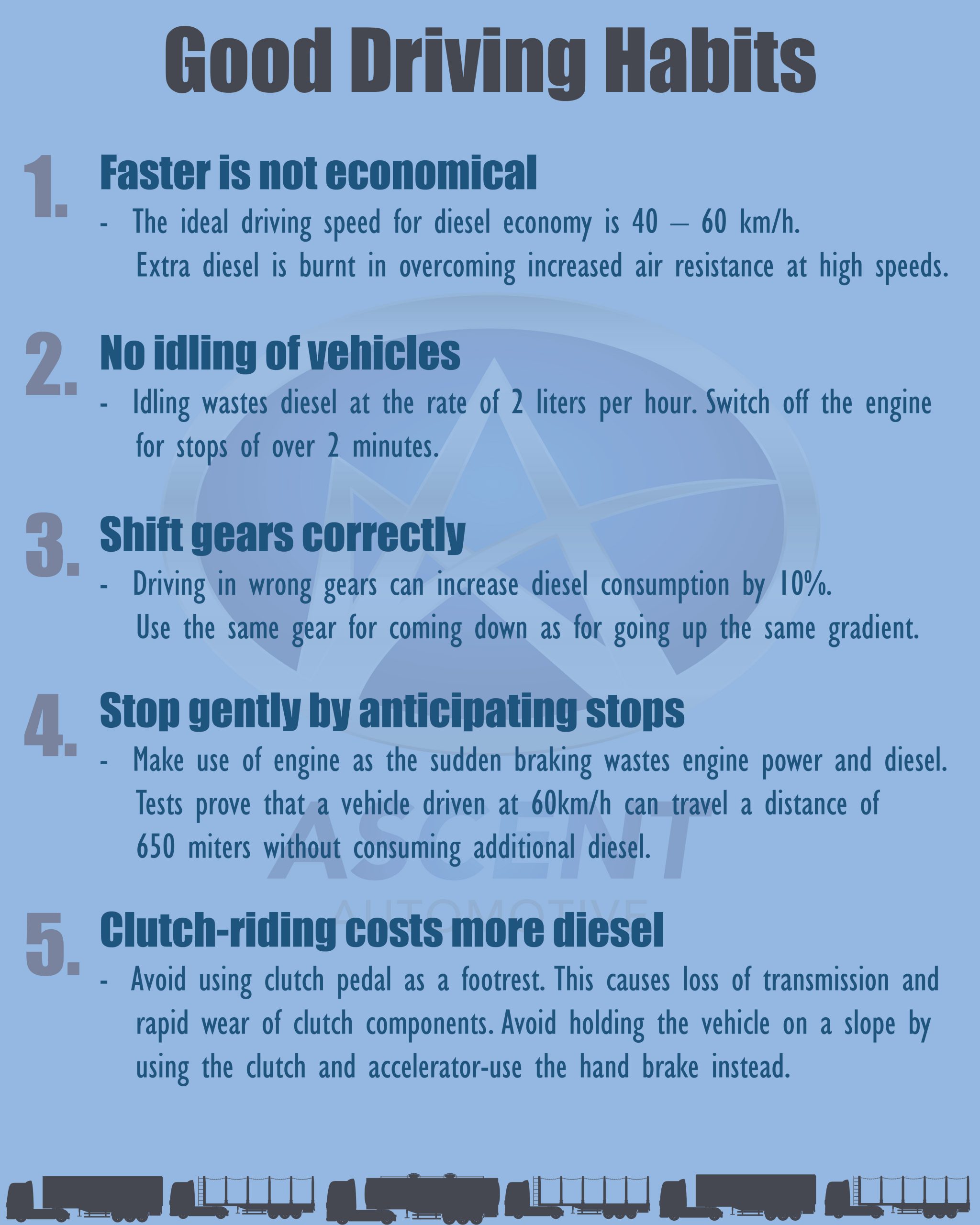
Rising gas prices got you down? Feeling guilty about your Jeep's environmental impact? You're not alone. Many Jeep owners love the freedom and capability their vehicles offer but are looking for ways to be more eco-conscious and ease the strain on their wallets.
Good news: you can adopt eco-friendly driving habits without trading in your Jeep or sacrificing the adventures you love. It's about making smart choices behind the wheel and building routines that improve fuel efficiency, reduce emissions, and even enhance your driving experience. You can achieve better fuel economy while still enjoying the power and versatility your Jeep provides.
Ready to start saving fuel right now? Try easing off the accelerator. Gradual acceleration, instead of sudden bursts of speed, can significantly improve your Jeep's gas mileage. Picture yourself gliding smoothly away from a stop, rather than launching like a rocket. This simple change can make a noticeable difference.
Mastering Eco-Driving in Your Jeep
Eco-driving isn't about drastically changing your lifestyle; it's about optimizing how you drive your Jeep. Whether you're commuting to work, exploring backroads, or tackling challenging trails, incorporating eco-friendly habits into your routine will benefit both your wallet and the environment. These techniques aren't complicated, and many will become second nature with a little practice. The key is consistency and awareness of your driving style.
Smooth Starts and Stops: The Key to Fuel Efficiency
Aggressive acceleration and braking are major fuel guzzlers. Every time you slam on the brakes, you're essentially wasting the energy you used to get up to speed. By anticipating traffic flow and maintaining a consistent speed, you can minimize the need for hard braking and acceleration.
Anticipate: Look ahead and predict changes in traffic flow. Are the brake lights ahead coming on? Ease off the accelerator early and allow your Jeep to coast. Maintain a Safe Following Distance: Giving yourself ample space between you and the vehicle in front allows you more time to react and avoid sudden braking. Gentle Acceleration:When starting from a stop, accelerate smoothly and gradually. Avoid pressing the accelerator pedal down too far, too quickly.
People Also Ask: What eco-driving habits save the most gas in a Jeep?
The most impactful eco-driving habits for improving Jeep fuel efficiency include smooth acceleration and braking, maintaining a steady speed, proper tire inflation, and minimizing idling. Combining these habits creates a synergistic effect, maximizing your fuel savings.
The Sweet Spot: Optimizing Your Speed
Driving at a consistent speed is crucial for fuel efficiency. Your Jeep consumes the most fuel when constantly speeding up and slowing down.
Use Cruise Control (Wisely): On highways and open roads, cruise control can help you maintain a consistent speed, improving fuel economy. However, avoid using cruise control in hilly terrain, as the system may downshift frequently, negating the fuel-saving benefits. Avoid Speeding: Higher speeds require more engine power, which translates to increased fuel consumption. Sticking to the speed limit not only improves safety but also enhances fuel efficiency. Consider Terrain:Different terrains require different speeds for optimal efficiency. What works on the highway might not work on a gravel road.
Tire Pressure: A Simple Yet Powerful Adjustment
Maintaining proper tire pressure is a simple yet often overlooked aspect of eco-driving. Underinflated tires increase rolling resistance, forcing your engine to work harder and consume more fuel.
Check Regularly: Check your tire pressure at least once a month, and before any long trips. Use a reliable tire pressure gauge. Consult Your Door Jamb: The recommended tire pressure for your Jeep is usually found on a sticker on the driver's side door jamb. Inflate Accordingly:Inflate your tires to the recommended pressure, even if it seems slightly higher than what you're used to. A few extra PSI can make a noticeable difference.
Shedding Weight: Less is More
The heavier your Jeep, the more fuel it consumes. Removing unnecessary items from your vehicle can improve fuel efficiency.
Clean Out the Clutter: Take a look in your trunk or cargo area. Are there items you don't need to be carrying around? Remove any unnecessary weight to reduce the burden on your engine. Remove Roof Racks When Not in Use: Roof racks and cargo carriers increase aerodynamic drag, which negatively impacts fuel economy. Remove them when you're not using them. Consider Lighter Accessories:When adding accessories to your Jeep, consider the weight impact. Opt for lighter alternatives whenever possible.
Eco-Friendly Jeep Maintenance
Beyond driving habits, regular maintenance plays a crucial role in your Jeep's fuel efficiency and environmental impact. Keeping your vehicle in top condition ensures it runs smoothly and efficiently.
Regular Oil Changes: Keep Things Running Smoothly
Regular oil changes are essential for maintaining engine health and efficiency. Old, dirty oil can increase friction, causing your engine to work harder and consume more fuel.
Follow Recommended Intervals: Adhere to the oil change intervals recommended in your Jeep's owner's manual. Use the Right Oil: Use the correct type of oil for your Jeep's engine, as specified in the owner's manual. Consider Synthetic Oil:Synthetic oil can provide better lubrication and protection, potentially improving fuel economy.
Air Filter Maintenance: Breathing Easy
A clean air filter ensures that your engine receives adequate airflow, which is crucial for efficient combustion. A clogged air filter restricts airflow, forcing your engine to work harder and consume more fuel.
Check Regularly: Check your air filter regularly, especially if you drive in dusty or dirty conditions. Replace When Dirty: Replace the air filter when it's visibly dirty or clogged. Choose a Quality Filter:Invest in a good-quality air filter that provides optimal airflow and filtration.
Spark Plug Inspection: Ensuring Efficient Combustion
Spark plugs ignite the air-fuel mixture in your engine's cylinders. Worn or fouled spark plugs can lead to incomplete combustion, reducing fuel efficiency and increasing emissions.
Inspect Regularly: Inspect your spark plugs regularly for signs of wear or damage. Replace as Needed: Replace your spark plugs according to the recommended interval in your owner's manual, or sooner if necessary. Choose the Right Plugs:Use the correct type of spark plugs for your Jeep's engine.
Green Off-Road Driving: Tread Lightly
For many Jeep owners, off-road adventures are a significant part of the Jeep experience. While off-roading can be inherently less fuel-efficient than on-road driving, you can still minimize your environmental impact.
Plan Your Route: Reduce Unnecessary Mileage
Carefully planning your off-road route can help you avoid unnecessary mileage and minimize your fuel consumption.
Research Trails: Research trails beforehand to choose routes that match your Jeep's capabilities and your driving experience. Use GPS Navigation: Use GPS navigation to stay on course and avoid getting lost. Consider Trail Conditions:Check trail conditions before you go to ensure that the route is passable and safe.
Minimize Idling: Turn it Off
Idling consumes fuel and produces emissions. Avoid idling unnecessarily, especially on the trail.
Turn Off the Engine: If you're stopped for more than a minute or two, turn off the engine. Avoid Prolonged Warm-Ups: Modern engines don't require extended warm-up periods. Start driving gently soon after starting the engine. Be Mindful of Obstacles:Before approaching an obstacle, assess the situation and plan your approach to minimize the need for repeated attempts.
Tread Lightly: Respect the Environment
Practicing responsible off-road driving is essential for preserving the environment and ensuring that trails remain open for future generations.
Stay on Designated Trails: Stay on designated trails to avoid damaging sensitive ecosystems. Avoid Mudding: Mudding can cause significant damage to trails and waterways. Pack Out Everything You Pack In:Leave no trace behind. Pack out all trash and waste.
People Also Ask: Can Jeeps really be fuel efficient?
While Jeeps are not typically known for their exceptional fuel economy compared to smaller cars, implementing eco-driving techniques and maintaining your vehicle properly can significantly improve your Jeep's MPG. Newer Jeep models with advanced engine technologies also offer better fuel efficiency than older models.
Additional Tips for Eco-Conscious Jeep Owners
These strategies can add to the positive changes: Combine Errands: Group your errands together to minimize the number of trips you take. Telecommute or Carpool: If possible, telecommute to work or carpool with colleagues to reduce your overall driving. Consider a Scan Gauge:These aftermarket devices can give you real-time feedback about your fuel consumption and help you identify areas for improvement.
People Also Ask: Does off-road driving ruin fuel efficiency?
Yes, off-road driving typically reduces fuel efficiency due to increased resistance, lower speeds, and the use of four-wheel drive. However, responsible off-road driving practices can help minimize the impact on fuel consumption. Planning routes, avoiding unnecessary idling, and maintaining proper tire pressure are crucial for maximizing fuel efficiency while off-roading.
By adopting these eco-friendly Jeep driving habits and routines, you're not just saving money at the pump; you're contributing to a healthier environment and enjoying a more conscious driving experience. Every small change makes a difference, and over time, these habits will become ingrained in your driving style. Embrace the journey towards sustainable driving, and you'll find that you can enjoy the freedom and capability of your Jeep while minimizing your impact on the planet. Remember, driving green is about making smart choices, one mile at a time.

Posting Komentar