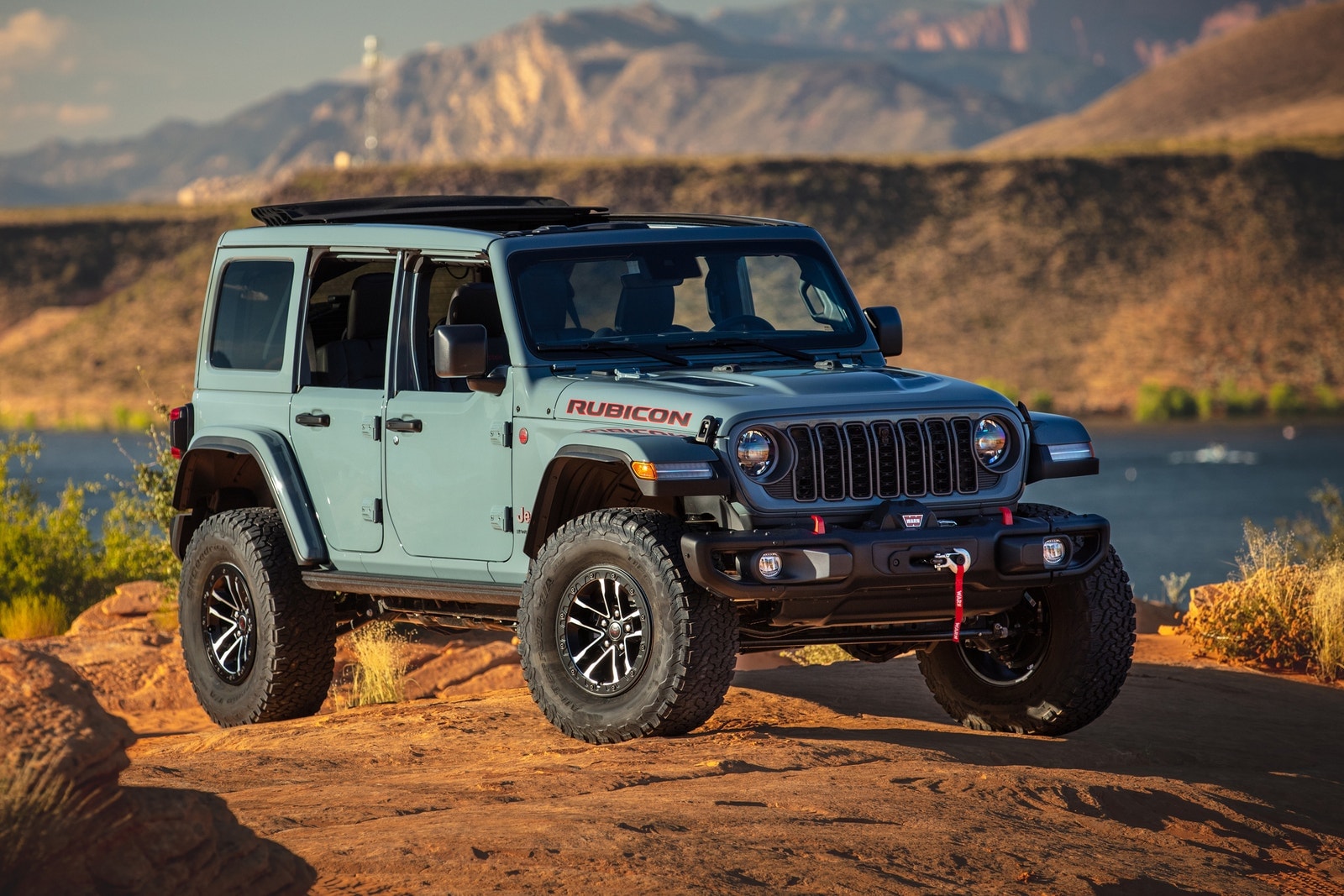
Tired of watching your fuel gauge plummet faster than your Jeep climbs a rocky incline? You love the freedom and capability of your Jeep, but maybe you're wincing a little at the pump. The good news is, you don't have to choose between adventure and responsibility.
Adopting eco-driving habits doesn't mean turning your Jeep into a hybrid. It's about making smart choices behind the wheel to maximize fuel efficiency, reduce emissions, and even improve your Jeep's longevity. We're talking practical adjustments that can save you money and minimize your environmental footprint without sacrificing the Jeep experience you love. Think of it as unlocking a new level of responsible Jeep ownership.
Here's a simple change to make today: ease up on the accelerator. Quick acceleration burns significantly more fuel than gradual acceleration. Imagine you're gently coaxing your Jeep forward rather than stomping on the gas pedal. Smooth, steady acceleration is a cornerstone of eco-driving, and it’s a habit you can implement immediately.
Mastering Eco-Driving in Your Jeep
Eco-driving in your Jeep isn’t about drastically altering your adventures, but rather refining your driving style for increased efficiency. It's about understanding how your Jeep responds to different inputs and making conscious decisions to minimize fuel consumption. From daily commutes to weekend off-road explorations, these techniques can make a real difference.
Maintaining Optimal Tire Pressure
Your tires are the only thing connecting your Jeep to the road, and their pressure plays a huge role in fuel efficiency. Underinflated tires increase rolling resistance, meaning your engine has to work harder to maintain speed.
Check your tire pressure regularly: Aim for at least once a month, and always before long trips or off-road excursions. The recommended tire pressure for your Jeep is usually found on a sticker inside the driver's side doorjamb or in your owner's manual. Invest in a reliable tire pressure gauge: Don't rely solely on gas station gauges, as their accuracy can vary. A personal gauge ensures consistent and accurate readings. Adjust for temperature changes:Tire pressure decreases in cold weather and increases in hot weather. Be sure to adjust accordingly to maintain optimal pressure. Remember, for off-road driving, lower tire pressure is often desirable for better traction, but be sure to reinflate them to the recommended pressure before returning to paved roads.
Anticipate Traffic Flow
Aggressive driving habits, like sudden braking and rapid acceleration, are major fuel wasters. By anticipating traffic flow and maintaining a consistent speed, you can minimize unnecessary fuel consumption.
Look ahead: Scan the road for potential hazards, such as traffic lights, intersections, and slow-moving vehicles. This allows you to adjust your speed gradually and avoid sudden stops. Maintain a safe following distance: This gives you more time to react to changing traffic conditions and reduces the need for hard braking. Use cruise control wisely:On highways and open roads, cruise control can help you maintain a consistent speed and improve fuel efficiency. However, avoid using it in heavy traffic or hilly terrain, where it can actually decrease fuel economy.
Reduce Idling Time
Idling consumes fuel without moving you an inch. While Jeeps are built tough, unnecessarily idling is a common fuel-wasting habit.
Turn off your engine when stopped for more than a minute: This is especially important at stoplights, in drive-thrus, or when waiting to pick someone up. Modern engines are designed to restart quickly and efficiently, so there's no need to let them run unnecessarily. Warm-up your engine efficiently: In cold weather, avoid letting your engine idle for extended periods to warm up. Instead, start driving gently after a short warm-up period. The engine will warm up more quickly while driving, and you'll save fuel in the process. Plan your routes to avoid congestion:If possible, choose routes that minimize stop-and-go traffic. Even a slightly longer route can be more fuel-efficient if it allows you to maintain a consistent speed.
Lighten the Load
The heavier your Jeep, the more fuel it consumes. Removing unnecessary weight can significantly improve fuel efficiency.
Remove unnecessary items from your Jeep: Take out any tools, equipment, or other items that you don't need on a daily basis. Consider a lightweight roof rack: If you frequently carry cargo on your roof, opt for a lightweight roof rack. Heavy racks can add significant weight and increase wind resistance, reducing fuel efficiency. Avoid carrying unnecessary fluids:Only carry the amount of fuel, water, and other fluids that you need for your trip. Excess weight adds up quickly.
Regular Maintenance is Key
A well-maintained Jeep runs more efficiently. Regular maintenance ensures that all components are functioning optimally, which translates to better fuel economy.
Follow your Jeep's recommended maintenance schedule: This includes regular oil changes, air filter replacements, spark plug replacements, and other essential services. Use the correct grade of oil: Consult your owner's manual to determine the correct grade of oil for your Jeep. Using the wrong oil can reduce fuel efficiency and even damage your engine. Keep your engine properly tuned: A properly tuned engine runs more efficiently and produces fewer emissions. If you notice any performance issues, such as rough idling or reduced power, have your engine tuned by a qualified mechanic. Inspect and replace air filters: A clogged air filter restricts airflow to the engine, reducing fuel efficiency. Check your air filter regularly and replace it as needed.
Optimize Off-Road Driving
Off-roading is a core part of the Jeep experience, but it can also be a major drain on fuel efficiency. By adopting some green off-road driving techniques, you can minimize your environmental impact and still enjoy the thrill of adventure.
Choose appropriate trails: Select trails that match your Jeep's capabilities and your driving experience. Avoid trails that are overly challenging or require excessive wheel spin, as this will consume more fuel. Maintain momentum: When off-roading, maintain a steady momentum to avoid getting stuck. Use low gears and throttle control to navigate obstacles smoothly. Avoid unnecessary wheel spin: Wheel spin wastes fuel and can damage the terrain. Use traction control systems and locking differentials to maximize grip and minimize wheel spin. Respect the environment: Stay on designated trails and avoid disturbing vegetation or wildlife. Pack out everything you pack in and leave no trace of your passage.
Strategic Route Planning
The route you choose can have a significant impact on your Jeep's fuel efficiency. Careful route planning can help you avoid traffic congestion, minimize elevation changes, and optimize your driving speed.
Use GPS navigation apps to find the most efficient route: These apps can help you avoid traffic jams, construction zones, and other obstacles that can slow you down and increase fuel consumption. Plan your trips during off-peak hours: If possible, avoid driving during rush hour, when traffic is typically heaviest. Choose routes with minimal elevation changes:Driving uphill consumes more fuel than driving on level ground. Opt for routes that minimize elevation changes whenever possible.
Understanding Your Jeep's Features
Modern Jeeps come equipped with a variety of features that can help you improve fuel efficiency. Understanding how these features work and using them effectively can make a significant difference.
Eco Mode: Many newer Jeep models feature an "Eco" mode that optimizes engine performance for fuel efficiency. This mode typically reduces throttle response and adjusts transmission shift points to minimize fuel consumption. Automatic Start/Stop: This feature automatically shuts off the engine when the vehicle comes to a complete stop and restarts it when you release the brake pedal. This can save fuel in stop-and-go traffic. Tire Pressure Monitoring System (TPMS):This system monitors tire pressure in real-time and alerts you when the pressure drops below the recommended level. This helps you maintain optimal tire pressure for fuel efficiency and safety.
Smart Modifications
While some modifications can negatively impact fuel efficiency, others can actually improve it. Choose modifications wisely to enhance your Jeep's performance and minimize its environmental impact.
Lightweight Wheels: Reducing the weight of your wheels can improve acceleration and fuel efficiency. Low Rolling Resistance Tires: These tires are designed to minimize friction with the road, which can improve fuel economy. Aerodynamic Modifications:Adding aerodynamic modifications, such as a front air dam or a rear spoiler, can reduce drag and improve fuel efficiency at highway speeds. However, be mindful of how these affect off-road capability.
Embrace a Mindful Driving Style
Ultimately, the most effective way to improve your Jeep's fuel efficiency is to adopt a mindful driving style. This means being aware of your driving habits and making conscious choices to minimize fuel consumption.
Avoid aggressive driving: Accelerate smoothly, brake gently, and maintain a consistent speed. Anticipate traffic flow: Look ahead and adjust your speed accordingly to avoid sudden stops and starts. Turn off your engine when idling: Avoid letting your engine idle unnecessarily. Combine errands: Plan your trips efficiently to minimize driving distance. Share rides:Carpool with friends, family, or coworkers whenever possible.
By implementing these eco-driving techniques, you can enjoy the freedom and capability of your Jeep while minimizing your environmental impact and saving money on fuel. It's a win-win situation for you and the planet.
People Also Ask:
Can Jeeps really be fuel efficient?
While Jeeps aren't typically known for being the most fuel-efficient vehicles on the road, adopting eco-driving habits and maintaining your vehicle properly can definitely improve their gas mileage. Focus on consistent speeds, proper tire inflation, and shedding unnecessary weight. Newer Jeep models also incorporate fuel-saving technologies like Eco Mode and automatic start/stop that can contribute to better efficiency.
What eco-driving habits save the most gas in a Jeep?
The biggest fuel savers are smooth acceleration and deceleration, maintaining a steady speed, and avoiding excessive idling. Regularly checking and maintaining proper tire pressure is also crucial. By combining these habits, you'll see a noticeable improvement in your Jeep's fuel economy.
Does off-road driving ruin fuel efficiency?
Yes, off-road driving typically consumes significantly more fuel than driving on paved roads. The uneven terrain, lower gears, and increased wheel spin all contribute to higher fuel consumption. However, you can mitigate this by choosing appropriate trails, maintaining momentum, and avoiding unnecessary wheel spin. Consider airing up your tires immediately after leaving the trail.
Embracing these Jeep fuel efficiency tips isn't about sacrificing the thrill of the ride; it's about enhancing it. By making small, conscious adjustments to your driving habits, you can enjoy your Jeep adventures while also being kind to your wallet and the environment. Sustainable driving, simplified. Now, go explore!

Posting Komentar