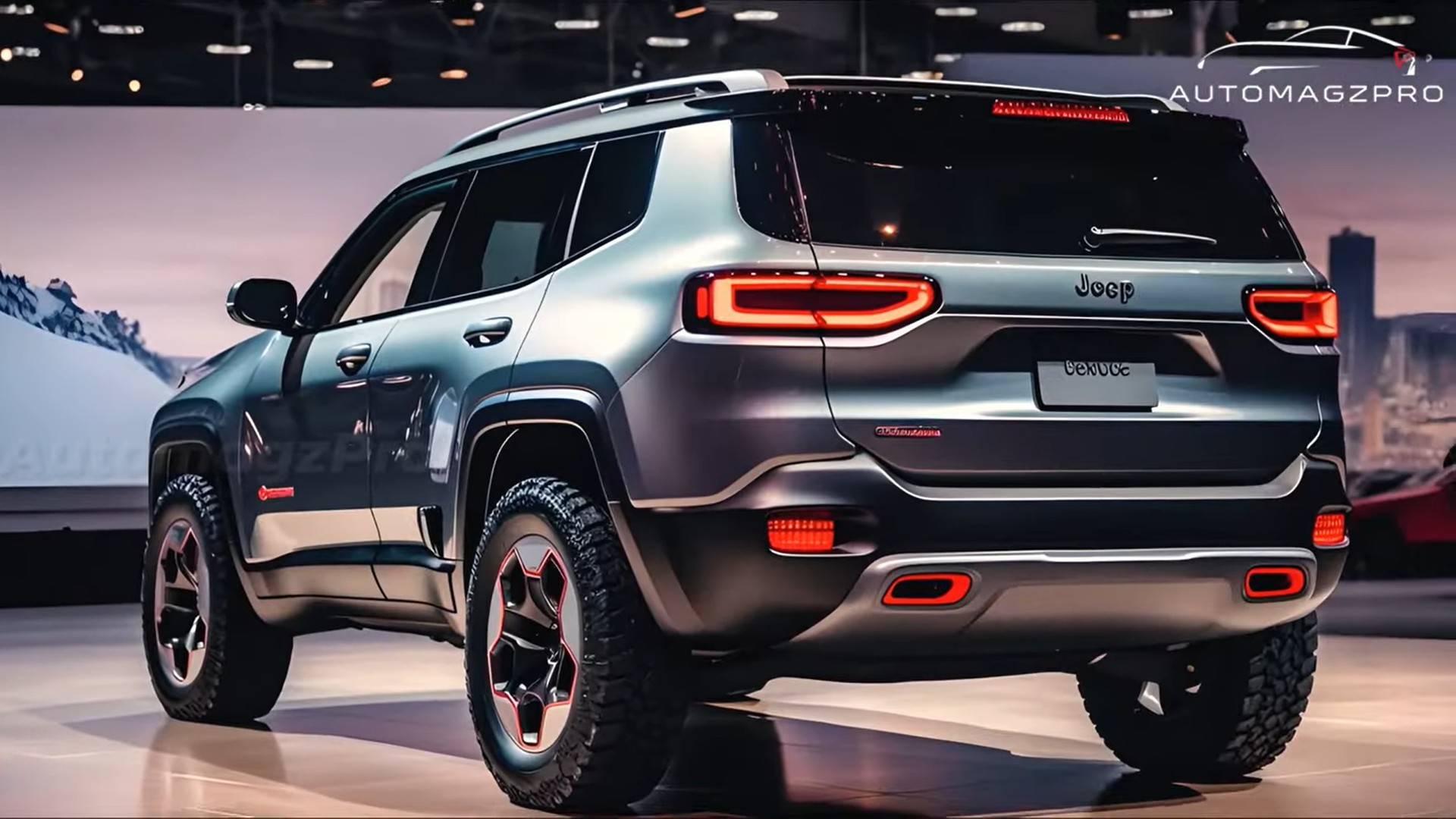
Frustrated with watching your fuel gauge drop faster than the temperature on a winter trail? As Jeep owners, we love the freedom and capability our vehicles offer. But let's face it, rush hour traffic and rising fuel costs can put a damper on that adventurous spirit. The good news is, you don't have to sacrifice your Jeep's performance to save fuel, especially when navigating those frustrating stop-and-go commutes.
Unlock Fuel Efficiency: Eco-Driving for Your Jeep
You might think “eco-driving” is just for hybrid hatchbacks, but it’s actually a set of simple driving techniques that can significantly improve your Jeep's fuel economy, even during rush hour. Eco-driving isn't about turning your Jeep into a golf cart. It's about being smarter and more deliberate with your driving habits to minimize wasted energy. Think of it as a way to drive smarter, not harder, allowing you to enjoy your Jeep while also being kinder to your wallet and the environment. By incorporating these techniques, you'll see improvements in your miles per gallon (MPG) without compromising the joy of driving your Jeep. We're talking about maximizing your Jeep’s fuel efficiency, not minimizing your Jeep experience. The core of eco-driving for Jeep SUVs focuses on smooth acceleration, maintaining a steady speed, and anticipating traffic flow. It's about workingwithyour Jeep's capabilities, not against them.
The Smooth Start: Gentle Acceleration
One of the most impactful fuel-saving Jeep habits you can adopt is practicing gentle acceleration. Avoid stomping on the gas pedal when starting from a stop. Instead, accelerate smoothly and gradually. Rapid acceleration burns significantly more fuel. Imagine you're trying to balance a cup of coffee on the dashboard – you wouldn't want to spill it, would you? Apply that same smoothness to your acceleration. By easing onto the accelerator, you're allowing your Jeep’s engine to operate more efficiently, using only the power it needs to get up to speed. This is especially crucial in stop-and-go rush hour traffic where frequent bursts of speed followed by hard braking are fuel economy killers. Try timing your acceleration with the flow of traffic – anticipating when you'll need to speed up and slowing down gradually to avoid unnecessary braking. You'll be surprised how much fuel this simple change can save.
Maintaining Momentum: Cruise Control & Steady Speed
Once you're up to speed, maintaining a steady pace is key to optimizing Jeep fuel efficiency tips. Use cruise control whenever possible on highways and freeways to prevent fluctuations in speed. Consistent speed reduces the amount of fuel your engine consumes. Think of it as finding the sweet spot – that optimal speed where your Jeep is cruising comfortably without working too hard.
However, it's important to remember that cruise control isn’t always the best option in stop-and-go traffic or hilly terrain. In these situations, manually adjusting your speed to anticipate traffic flow and road conditions is more effective. Try to anticipate hills by accelerating slightly before you reach the incline and easing off the gas as you go over the crest. This minimizes the need for sudden acceleration, conserving fuel.
Anticipate and Coast: The Power of Forethought
Anticipating traffic flow and coasting can drastically improve your Jeep's fuel economy. Instead of slamming on the brakes when approaching a red light or slowing traffic, take your foot off the gas pedal and coast. This allows your Jeep to decelerate naturally, using momentum rather than fuel. This not only saves fuel but also reduces wear and tear on your brakes.
Look ahead as far as possible to anticipate changes in traffic flow. Are you approaching a stoplight? Are there brake lights ahead? By anticipating these events, you can adjust your speed accordingly, minimizing the need for hard braking and maximizing coasting time. This technique takes practice, but once you master it, you'll see a noticeable difference in your fuel consumption.
Tire Pressure: Keep 'Em Properly Inflated
Maintaining proper tire pressure is one of the easiest and most often overlooked Jeep fuel efficiency tips. Under-inflated tires increase rolling resistance, forcing your engine to work harder and consume more fuel. Check your tire pressure regularly – at least once a month – and inflate your tires to the manufacturer's recommended pressure, which can be found on a sticker inside your driver's side doorjamb or in your owner's manual. A simple tire pressure gauge is an inexpensive tool that can save you money at the pump. It is important to note that the tire pressure listed on the tire itself is themaximumpressure, not necessarily the recommended pressure for your vehicle. Always refer to your vehicle's sticker or owner's manual.
Reduce Weight: Shed the Extra Load
Every extra pound your Jeep carries reduces fuel efficiency. Take a look at what you're hauling around – do you really need those extra tools, camping gear, or sports equipment in your vehicle every day? Removing unnecessary weight can significantly improve your MPG, especially during city driving. Clean out your Jeep regularly and remove any items you don't need. Even small reductions in weight can add up over time. This also includes roof racks or cargo carriers. If you're not using them, remove them. They create aerodynamic drag, which increases fuel consumption.
Regular Maintenance: A Well-Tuned Jeep is a Fuel-Efficient Jeep
A well-maintained Jeep is a fuel-efficient Jeep. Regular maintenance, including oil changes, air filter replacements, and spark plug replacements, ensures that your engine is running optimally. A dirty air filter, for example, restricts airflow to the engine, forcing it to work harder and consume more fuel. Follow the manufacturer's recommended maintenance schedule to keep your Jeep running smoothly and efficiently. This includes checking and replacing fluids as needed, such as engine oil, transmission fluid, and coolant. A properly maintained engine will not only save you fuel but also extend the life of your Jeep.
Route Optimization: Plan Your Trip Wisely
Planning your route wisely can save you time and fuel. Use navigation apps to find the most efficient route, avoiding congested areas and stop-and-go traffic whenever possible. Consider alternate routes that may be slightly longer but have less traffic. A longer route with consistent speed can often be more fuel-efficient than a shorter route with frequent stops and starts. Try to combine errands into a single trip to minimize cold starts, which consume more fuel. Also, consider the time of day you're traveling. Avoiding peak rush hour times can significantly reduce your fuel consumption.
The Right Fuel: Using the Recommended Octane
Using the correct fuel octane is crucial for maintaining your Jeep's fuel efficiency. Refer to your owner's manual to determine the recommended octane level for your vehicle. Using a higher octane fuel than necessary will not improve fuel economy and is simply a waste of money. On the other hand, using a lower octane fuel than recommended can cause engine knocking and reduce performance. Using the recommended fuel ensures that your engine is running optimally and efficiently.
Minimize Idling: Turn it Off When You Can
Idling wastes fuel. If you're going to be stopped for more than a minute, turn off your engine. Modern engines are designed to restart quickly and efficiently, so you won't cause any damage by turning it off. In fact, restarting your engine consumes less fuel than idling for an extended period. This is especially important in stop-and-go traffic or when waiting in a parking lot. Make it a habit to turn off your engine whenever possible to conserve fuel.
Consider Eco-Friendly Jeep Modifications
While it's tempting to add modifications for off-road performance or aesthetics, be mindful of how these changes impact fuel efficiency. Lift kits and larger tires can increase rolling resistance and aerodynamic drag, reducing your MPG. However, there are also eco-friendly Jeep modifications that can improve fuel economy. Consider installing a cold air intake system to improve airflow to the engine or using low-rolling-resistance tires. Before making any modifications, research the potential impact on fuel efficiency and choose options that balance performance with economy.
Can Jeeps really be fuel efficient?
While Jeeps aren't typically known for their exceptional fuel economy, adopting eco-driving habits, keeping up with maintenance, and making smart modifications can significantly improve their MPG. It's all about driving smarter, not harder.
What eco-driving habits save the most gas in a Jeep?
Gentle acceleration, maintaining a steady speed, anticipating traffic flow, and coasting are the most impactful eco-driving habits for saving fuel in a Jeep. These techniques minimize wasted energy and allow your engine to operate more efficiently.
Does off-road driving ruin fuel efficiency?
Off-road driving generally reduces fuel efficiency due to the challenging terrain, increased rolling resistance, and the use of four-wheel drive. However, even in off-road situations, you can still apply eco-driving principles to minimize fuel consumption, such as avoiding excessive wheel spin and maintaining a steady speed.
Driving a fuel-efficient Jeep, even in rush hour, is within your reach. By embracing these simple yet effective fuel-saving Jeep habits, you can reduce your fuel costs, lower your emissions, and enjoy your Jeep without feeling guilty about your carbon footprint. Remember, every small change makes a difference. So, get behind the wheel, practice these techniques, and experience the satisfaction of driving sustainably. You'll be surprised at how much you can save, all while enjoying the ride.

Posting Komentar