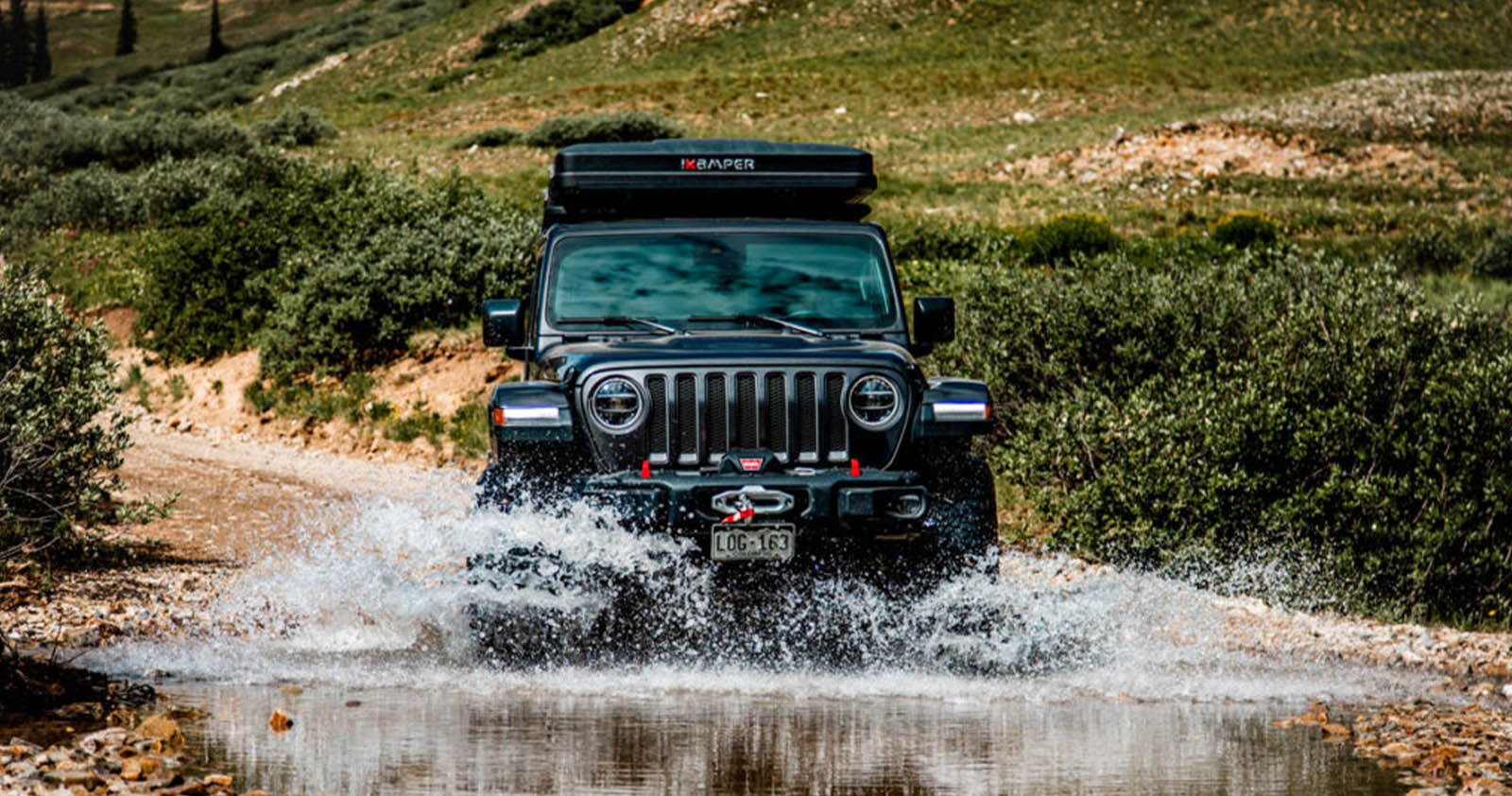
Are you a Jeep owner watching those fuel costs climb higher than your favorite mountain trail? You’re not alone. We all love the freedom of hitting the open road (or no road at all!), but nobody wants to empty their wallet at the pump every week. The good news is, with a few smart adjustments, you can enjoy the thrill of off-roading and daily driving without burning through fuel like crazy.
Eco-driving isn't about turning your Jeep into a boring commuter car. It’s about adopting smarter driving habits and making informed decisions that boost your Jeep's fuel efficiency. It's about understanding how your driving style, tire pressure, and even your choice of route can significantly impact how far you can go on a tank of gas. You can absolutely preserve the Jeep experience while also being more conscious of fuel consumption. And who knows, you might even discover a new level of driving skill along the way!
Ready to take action right now? Try this: when accelerating from a stop, do it smoothly and gradually. Avoid stomping on the gas pedal. Rapid acceleration burns a surprising amount of fuel. Instead, ease into the acceleration, letting your Jeep build up speed in a controlled manner. This simple change can make a noticeable difference in your fuel consumption, especially in city driving.
How to Make Jeep Off-Roading More Fuel-Conscious
Off-roading in a Jeep is a unique experience, but it also presents some unique challenges when it comes to fuel efficiency. The terrain, the tires, and even the modifications you've made to your Jeep can all play a role. But don't worry, with a little planning and some smart driving techniques, you can minimize the impact and enjoy your off-road adventures with a clearer conscience (and a fuller wallet).
Gearing Up for Fuel Efficiency: Tires, Lift Kits, and More
Modifications are part of the Jeep culture. Lift kits for added ground clearance, larger tires for better traction, and heavy-duty bumpers for protection – they all contribute to the Jeep's capabilities. But these additions also add weight and change the aerodynamics, which can negatively impact fuel economy. Before making any modifications, it's crucial to understand the potential impact on your fuel consumption.
Tires: Larger, more aggressive off-road tires, while excellent for traction, have a higher rolling resistance than standard tires. This means your engine has to work harder to turn them, leading to increased fuel consumption. Consider using all-terrain tires with a less aggressive tread pattern if you spend a significant amount of time on paved roads. Maintaining proper tire pressure is also crucial. Underinflated tires increase rolling resistance and waste fuel. Check your tire pressure regularly, especially before and after off-road trips. Lift Kits: While a lift kit provides valuable ground clearance, it also raises your Jeep's center of gravity and increases wind resistance. This can lead to lower fuel efficiency, especially at higher speeds. If you're concerned about fuel economy, consider a smaller lift or a suspension leveling kit instead of a full lift kit. Weight:Every extra pound you add to your Jeep impacts fuel efficiency. Heavy bumpers, winches, roof racks, and even extra gear can all contribute. Think carefully about what you really need for your off-road adventures and try to minimize unnecessary weight. Remove any unnecessary gear from your Jeep when you're not off-roading.
Planning Your Route for Fuel Savings
Off-roading isn't just about tackling the toughest trails; it's also about exploring and enjoying the scenery. But when it comes to fuel efficiency, route planning is key. Consider these factors: Terrain: Driving in deep sand, mud, or rocky terrain requires more power and fuel than driving on smoother surfaces. Choose trails that are appropriate for your Jeep's capabilities and your fuel efficiency goals. Elevation Changes: Climbing steep hills requires more power and fuel. If possible, choose routes with gradual elevation changes rather than steep climbs. Distance: Opt for shorter routes or loops closer to your starting point to minimize travel distance and fuel consumption. Navigation: Using a GPS or navigation app can help you stay on track and avoid getting lost, which can lead to unnecessary driving and fuel waste. Plan your route in advance and download offline maps in case you lose cell service.
Driving Techniques for Off-Road Fuel Efficiency
Even on the toughest trails, you can adopt driving techniques that minimize fuel consumption.
Maintain Momentum: Instead of stopping and starting frequently, try to maintain a steady momentum. This will reduce the amount of energy required to get your Jeep moving again. Use Low Range Sparingly: Low range provides extra torque for challenging terrain, but it also significantly increases fuel consumption. Use it only when necessary. In many situations, you can maintain momentum and traction by using a higher gear and modulating the throttle. Avoid Wheelspin: Excessive wheelspin wastes fuel and can damage the terrain. Use your Jeep's traction control system or locker to maintain grip and avoid spinning your wheels. Smooth Throttle Control: Avoid jerky acceleration and deceleration. Smooth throttle control will help you maintain momentum and minimize fuel consumption. Anticipate changes in the terrain and adjust your speed accordingly. Engine Braking:When descending hills, use engine braking to control your speed instead of relying solely on the brakes. This will save fuel and reduce brake wear.
To engine brake effectively in a Jeep, downshift to a lower gear before starting the descent.
Release the accelerator pedal completely. The engine will naturally slow the vehicle down.
Use the brakes sparingly to supplement engine braking and maintain a safe speed.
Avoid downshifting too aggressively, as this can cause the tires to lose traction, especially on loose surfaces.
Maintaining Your Jeep for Optimal Fuel Efficiency
Regular maintenance is crucial for maximizing your Jeep's fuel efficiency, both on and off the road.
Regular Oil Changes: Use the recommended oil type and change it according to the manufacturer's recommendations. Clean oil keeps your engine running smoothly and efficiently. Air Filter: A clean air filter allows your engine to breathe properly and improves fuel economy. Replace it regularly, especially if you drive in dusty conditions. Spark Plugs: Faulty spark plugs can reduce fuel efficiency and performance. Replace them according to the manufacturer's recommendations. Tire Pressure: As mentioned earlier, maintaining proper tire pressure is crucial for fuel efficiency. Check your tire pressure regularly and inflate your tires to the recommended pressure. Wheel Alignment: A misaligned suspension can increase rolling resistance and reduce fuel efficiency. Have your Jeep's wheel alignment checked regularly. Check for Leaks: Inspect your Jeep regularly for fluid leaks, such as oil, coolant, and transmission fluid. Leaks can reduce fuel efficiency and damage your engine.
People Also Ask
Can Jeeps really be fuel efficient?
While Jeeps are not known for being the most fuel-efficient vehicles on the road, it's definitely possible to improve their gas mileage with smart driving habits, proper maintenance, and thoughtful modifications. Newer Jeep models often come equipped with fuel-saving technologies like cylinder deactivation and start-stop systems, which can help boost fuel economy. Older models can still benefit from the tips mentioned in this article. The key is to be mindful of your driving habits and take steps to minimize fuel consumption.
What eco-driving habits save the most gas in a Jeep?
Several eco-driving habits can significantly improve your Jeep's fuel efficiency. Avoiding aggressive acceleration and braking is a big one. Smooth, gradual acceleration and deceleration save a surprising amount of fuel. Maintaining a steady speed on the highway, rather than constantly speeding up and slowing down, also helps. Proper tire inflation is crucial, as is minimizing idling time. Finally, anticipate traffic flow and avoid unnecessary braking by looking ahead and planning your moves.
Does off-road driving ruin fuel efficiency?
Yes, off-road driving typically reduces fuel efficiency due to the challenging terrain, increased rolling resistance, and the need for more power to navigate obstacles. However, by planning your routes carefully, using appropriate driving techniques, and ensuring your Jeep is properly maintained, you can minimize the impact. Remember to use low range only when necessary, maintain momentum, and avoid excessive wheelspin. And don't forget to check your tire pressure after returning to paved roads, as you may have deflated them for better traction off-road.
Embrace Sustainable Adventuring
Improving your Jeep's fuel efficiency is a journey, not a destination. It's about making small, consistent changes that add up over time. You don't have to sacrifice the joy of off-roading to be more fuel-conscious. By adopting these fuel-saving Jeep habits, you can reduce your environmental impact, save money at the pump, and continue to enjoy the freedom and adventure that only a Jeep can provide. So, hit the trails with confidence, knowing that you're doing your part to make off-roading more sustainable for everyone. Drive smarter, explore further, and enjoy the ride!

Posting Komentar