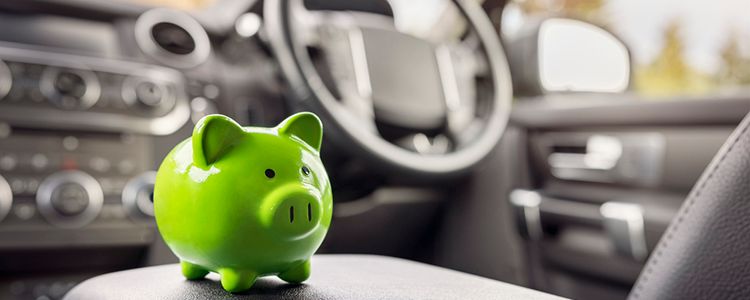
Is the price at the pump making you rethink your next adventure? You love your Jeep's capability, but maybe not its thirst for fuel. The good news is you can enjoy the legendary performance while also being kinder to your wallet and the environment.
Eco-smart driving isn't about turning your Jeep into a boring commuter car. It's about optimizing your driving style to get the most out of every gallon, reducing your carbon footprint, and even enhancing your off-road experience. It's about smarter driving, not slower driving. Implementing a few easy eco-driving techniques for modern SUVs can really improve your Jeep fuel efficiency tips.
Here's a quick tip you can use right now: ease up on the accelerator! Gradual acceleration, instead of stomping on the gas, can significantly improve fuel economy. Try anticipating traffic flow and planning your moves in advance to minimize the need for sudden bursts of speed.
Mastering Eco-Driving in Your Jeep: It's Easier Than You Think
Jeep owners are known for their adventurous spirit, but that doesn't mean we can't be mindful of our environmental impact. Whether you're cruising city streets or tackling rugged trails, eco-driving techniques can make a real difference. These techniques not only boost fuel efficiency but also contribute to smoother, more controlled driving experiences, especially beneficial when navigating challenging terrain. Let's explore some fuel-saving Jeep habits you can adopt today.
Understanding the Fundamentals of Eco-Driving
Eco-driving is a collection of driving techniques that minimize fuel consumption and emissions. It's not about drastic changes, but rather subtle adjustments to your driving style that add up over time. These adjustments involve anticipating traffic, maintaining a steady speed, and minimizing unnecessary acceleration and braking. For Jeeps, this translates to a more controlled and efficient use of power, both on and off the road.
Key principles of eco-driving
Smooth Acceleration and Deceleration: Avoid sudden bursts of acceleration and hard braking. Gradual acceleration and anticipating stops allow your Jeep to maintain momentum and use fuel more efficiently. Maintain a Steady Speed: Use cruise control (when appropriate) to maintain a consistent speed on highways and open roads. This reduces fluctuations in fuel consumption. Anticipate Traffic: Look ahead and anticipate traffic flow to avoid unnecessary braking and acceleration. Maintain a safe following distance to give yourself ample time to react. Proper Tire Inflation: Regularly check and maintain proper tire inflation. Underinflated tires increase rolling resistance, leading to higher fuel consumption. Refer to your Jeep's owner's manual for the recommended tire pressure. Reduce Idling: Avoid unnecessary idling. If you're stopped for more than a minute, turn off your engine. Modern Jeeps are designed to restart quickly and efficiently. Minimize Air Conditioning Use: Air conditioning can significantly impact fuel economy. Use it judiciously and consider using ventilation when possible. Regular Maintenance: Keep your Jeep properly maintained. Regular oil changes, air filter replacements, and spark plug maintenance ensure optimal engine performance and fuel efficiency. Lighten the Load: Remove unnecessary weight from your Jeep. Extra weight increases fuel consumption.
Eco-Driving Techniques Specific to Jeep SUVs
Jeeps, with their powerful engines and off-road capabilities, require a slightly different approach to eco-driving. Here's how to adapt the fundamental principles to your specific Jeep model: Choose the Right Gear: When off-roading, select the appropriate gear for the terrain. Using a lower gear than necessary increases engine RPM and fuel consumption. Use 4-Wheel Drive Wisely: Engage 4-wheel drive only when necessary. Driving in 4-wheel drive on paved roads significantly reduces fuel economy. Tire Selection: Choose tires that are appropriate for your driving needs. Aggressive off-road tires can increase rolling resistance and reduce fuel efficiency on pavement. Aerodynamics: Be mindful of aftermarket accessories that can impact aerodynamics, such as roof racks or oversized tires. These can increase wind resistance and reduce fuel economy, especially at higher speeds. Engine Tuning: Consider an engine tune optimized for fuel efficiency. Many aftermarket tuners offer settings that prioritize fuel economy over performance. Monitor Fuel Economy: Use your Jeep's onboard fuel economy monitor to track your progress and identify areas for improvement. Experiment with different driving techniques to see what works best for you.
Green Off-Road Driving: Balancing Adventure with Responsibility
Jeep owners often venture off the beaten path, but it's crucial to do so responsibly. Green off-road driving minimizes environmental impact while still allowing you to enjoy the thrill of exploring.
Minimizing Your Impact on the Trail
Stay on Designated Trails: Stick to established trails to avoid damaging vegetation and disturbing wildlife habitats. Tread Lightly: Drive slowly and carefully to minimize erosion and avoid creating new ruts. Pack Out Everything You Pack In: Leave no trace of your presence. Pack out all trash, including food wrappers and beverage containers. Respect Wildlife: Observe wildlife from a distance and avoid disturbing their natural behavior. Avoid Water Crossings When Possible: Water crossings can damage stream banks and pollute waterways. If you must cross a stream, do so slowly and carefully. Be Mindful of Noise: Excessive noise can disturb wildlife and other trail users. Keep your music at a reasonable level. Properly Maintain Your Vehicle: Ensure your Jeep is properly maintained to prevent fluid leaks and other potential environmental hazards. Participate in Trail Maintenance: Volunteer to help maintain trails and keep them open for future generations.
Planning Your Off-Road Adventures with Sustainability in Mind
Thoughtful planning can significantly reduce your environmental impact.
Research Your Destination: Before heading out, research the trail conditions and any specific regulations that may be in place. Choose the Right Vehicle: Select a vehicle that is appropriate for the terrain. Overly large or heavy vehicles can cause more damage to trails. Travel in Small Groups: Smaller groups have a lower impact on the environment. Consider the Season: Avoid driving on trails during wet or muddy conditions, as this can cause significant damage. Pack Reusable Items: Bring reusable water bottles, food containers, and utensils to reduce waste. Support Local Businesses: Patronize local businesses in the areas you visit to support the local economy.
Fuel-Saving Jeep Habits: Beyond the Driver's Seat
Eco-driving isn't just about how you drive; it's also about how you maintain and equip your Jeep.
Maintenance Matters: Optimizing Your Jeep for Efficiency
Regular maintenance is essential for maximizing fuel efficiency. Neglecting maintenance can lead to decreased performance and increased fuel consumption.
Oil Changes: Follow the manufacturer's recommended oil change schedule. Fresh oil reduces friction and improves engine efficiency. Air Filter Replacement: A clean air filter allows your engine to breathe properly, improving fuel economy. Spark Plug Maintenance: Replace spark plugs according to the manufacturer's recommendations. Worn spark plugs can reduce engine efficiency. Fluid Checks: Regularly check and top off all fluids, including coolant, brake fluid, and transmission fluid. Tire Maintenance: Maintain proper tire pressure and rotate tires regularly to ensure even wear. Wheel Alignment: Ensure your wheels are properly aligned to reduce rolling resistance.
Smart Upgrades: Enhancing Efficiency Without Sacrificing Capability
Certain aftermarket upgrades can actually improve fuel efficiency without compromising your Jeep's capabilities.
Performance Air Intake: A high-flow air intake can improve engine breathing and slightly increase fuel economy. Low Rolling Resistance Tires: Choose tires that are designed for low rolling resistance. These tires can improve fuel efficiency on pavement without sacrificing off-road performance. Lightweight Wheels: Lighter wheels reduce unsprung weight, which can improve acceleration and fuel economy. Aerodynamic Accessories: Consider adding aerodynamic accessories, such as a front air dam or side skirts, to reduce drag. Performance Exhaust:A less restrictive exhaust system can improve engine breathing and slightly increase fuel economy.
People Also Ask:
Can Jeeps really be fuel efficient?
While Jeeps are not known for being the most fuel-efficient vehicles, adopting eco-driving techniques, maintaining your vehicle properly, and making smart upgrades can significantly improve your gas mileage. Modern Jeeps also offer fuel-saving technologies like cylinder deactivation and stop-start systems.
What eco-driving habits save the most gas in a Jeep?
The most effective eco-driving habits for Jeeps include smooth acceleration and deceleration, maintaining a steady speed, anticipating traffic, and avoiding unnecessary idling. Proper tire inflation and regular maintenance also play a crucial role.
Does off-road driving ruin fuel efficiency?
Off-road driving typically reduces fuel efficiency due to the increased rolling resistance of uneven terrain and the use of 4-wheel drive. However, by choosing the right gear, driving slowly and carefully, and sticking to designated trails, you can minimize the impact on your fuel economy.
Sustainable Driving, Simplified
Eco-smart driving isn't about sacrifice; it's about making conscious choices that benefit both your wallet and the environment. By embracing these simple techniques and fuel-saving Jeep habits, you can continue to enjoy the freedom and adventure that your Jeep provides, all while reducing your carbon footprint. So, get out there, explore responsibly, and show the world that Jeeping and sustainability can go hand in hand. With a little effort, you can achieve greater Jeep fuel efficiency tips without compromising the spirit of adventure.

Posting Komentar