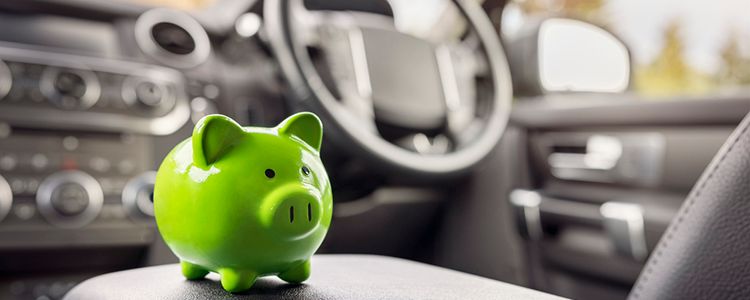
Are you tired of watching your fuel gauge drop faster than the value of a new car the moment you drive it off the lot? As a Jeep owner, you know the joys of open-air freedom and conquering challenging trails, but those adventures can come at a cost at the pump. The good news? You can embrace eco-smart driving without sacrificing the Jeep experience you love.
Eco-driving isn’t about turning your rugged Jeep into a hyper-miling hybrid. It's about making small, consistent changes to your driving habits that collectively add up to significant fuel savings and reduced emissions. You can maintain your Jeep's capability and even enhance its on-road performance while being kinder to the environment and your wallet. Think of it as unlocking a new level of mastery over your machine, blending responsibility with the thrill of the ride.
Here’s a quick win to get started: Monitor your tire pressure! Underinflated tires increase rolling resistance, forcing your engine to work harder and burning more fuel. Check your tire pressure regularly (at least once a month and before long trips) and inflate them to the recommended pressure listed on the sticker inside your driver’s side doorjamb or in your owner's manual.
Mastering Eco-Driving Techniques for Your Jeep
Eco-driving is more than just a trend; it's a practical approach to maximizing your Jeep's fuel efficiency and minimizing its environmental impact. It's about being a conscious and responsible driver without compromising the performance and enjoyment that come with owning a Jeep. These techniques are particularly beneficial for daily errands and commutes, where consistent habits can make a noticeable difference.
Gentle Acceleration and Smooth Braking
Aggressive acceleration and hard braking are major fuel guzzlers. Instead of flooring the gas pedal, aim for smooth, gradual acceleration. Visualize a cup of coffee on your dashboard – you want to accelerate gently enough that you don’t spill a drop. Similarly, anticipate traffic flow and avoid sudden braking by coasting to a stop whenever possible. This reduces wear and tear on your brakes and saves fuel.
Acceleration: Apply the accelerator gradually, avoiding sudden bursts of power. Aim to reach your desired speed smoothly and efficiently. Braking: Look ahead and anticipate traffic conditions. Gently ease off the accelerator and allow your Jeep to coast whenever possible. Use the brakes smoothly and progressively to avoid abrupt stops.
Maintain a Steady Speed
Once you're up to speed, maintaining a consistent velocity is key to fuel efficiency. Use cruise control on highways and long stretches of road to minimize speed fluctuations. Avoiding unnecessary speeding up and slowing down helps your engine operate more efficiently.
Cruise Control: Engage cruise control on highways to maintain a steady speed and avoid unnecessary acceleration and deceleration. Speed Awareness: Be mindful of speed limits and avoid excessive speeding. Higher speeds significantly reduce fuel economy.
Anticipate Traffic Flow
Paying attention to the road ahead and anticipating traffic conditions is crucial for eco-driving. By looking ahead, you can anticipate traffic lights, slowdowns, and other potential obstacles. This allows you to adjust your speed and driving accordingly, minimizing the need for sudden braking and acceleration.
Look Ahead: Scan the road ahead for potential hazards, traffic lights, and slowdowns. Adjust Your Driving: Anticipate changes in traffic flow and adjust your speed and driving accordingly. Avoid sudden braking and acceleration by coasting to a stop or slowing down gradually.
Practical Jeep Fuel Efficiency Tips for Daily Errands
Beyond driving techniques, several other factors can impact your Jeep's fuel efficiency. By addressing these areas, you can further optimize your Jeep for eco-friendly daily driving.
Minimize Idling
Idling is a significant fuel waster, especially in modern vehicles. If you're stopped for more than a minute, turn off your engine. Restarting your engine consumes less fuel than idling for an extended period.
Short Stops: Turn off your engine if you anticipate being stopped for more than 60 seconds. Long Stops: Avoid idling in drive-throughs or parking lots. Park your Jeep and go inside instead.
Reduce Weight
Excess weight puts additional strain on your engine, reducing fuel efficiency. Remove any unnecessary items from your Jeep, such as tools, equipment, or cargo that you don't need.
Declutter: Remove unnecessary items from your Jeep's interior and cargo area. Cargo Management: Avoid carrying heavy loads unless necessary.
Properly Maintain Your Jeep
Regular maintenance is essential for optimal fuel efficiency. Follow your Jeep's recommended maintenance schedule, including oil changes, air filter replacements, and tune-ups. A well-maintained Jeep runs more efficiently and produces fewer emissions.
Oil Changes: Change your engine oil regularly according to the manufacturer's recommendations. Air Filter: Replace the air filter regularly to ensure proper airflow to the engine. Tune-Ups:Schedule regular tune-ups to keep your engine running smoothly and efficiently.
Plan Your Trips
Combining multiple errands into a single trip can save you time, fuel, and money. Plan your route carefully to minimize unnecessary driving and avoid congested areas.
Combine Errands: Group multiple errands into a single trip to reduce the number of cold starts and overall driving distance. Route Optimization: Use navigation apps to find the most efficient route and avoid traffic congestion.
Eco-Conscious Off-Roading: Balancing Adventure and Responsibility
For many Jeep owners, off-roading is a core part of the experience. However, off-road driving can significantly impact fuel efficiency and the environment. By adopting eco-conscious off-roading practices, you can minimize your impact while still enjoying the thrill of adventure.
Choose Trails Wisely
Select trails that are appropriate for your Jeep's capabilities and your skill level. Avoid trails that are excessively challenging or require excessive wheel spin, as this can significantly increase fuel consumption and damage the environment.
Trail Research: Research trails beforehand to ensure they are suitable for your Jeep and your skill level. Respect Trail Ratings: Adhere to trail ratings and avoid attempting trails that are beyond your capabilities.
Minimize Wheel Spin
Excessive wheel spin not only wastes fuel but can also damage the trail and surrounding environment. Use proper driving techniques, such as maintaining a steady speed and using low-range gearing when necessary, to minimize wheel spin.
Traction Control: Utilize your Jeep's traction control system to maintain traction and minimize wheel spin. Low-Range Gearing: Engage low-range gearing when needed for increased torque and control in challenging terrain.
Respect the Environment
Always practice "Leave No Trace" principles when off-roading. Pack out everything you pack in, stay on designated trails, and avoid disturbing vegetation or wildlife.
Pack It In, Pack It Out: Take all trash and belongings with you when you leave. Stay on Trails: Avoid driving off designated trails, as this can damage vegetation and disrupt wildlife habitats. Respect Wildlife:Observe wildlife from a distance and avoid feeding or disturbing them.
Does off-road driving ruin fuel efficiency?
Yes, off-road driving typically decreases fuel efficiency due to increased engine load, lower speeds, and the need for four-wheel drive. However, mindful driving habits and proper vehicle maintenance can help mitigate this effect.
Can Jeeps really be fuel efficient?
While Jeeps are not known for being the most fuel-efficient vehicles, implementing eco-driving techniques and maintaining your vehicle properly can significantly improve your gas mileage.
What eco-driving habits save the most gas in a Jeep?
Gentle acceleration and braking, maintaining a steady speed, minimizing idling, and ensuring proper tire inflation are some of the most effective eco-driving habits for saving gas in a Jeep.
The Long-Term Benefits of Eco-Smart Jeep Driving
Embracing eco-smart driving techniques isn't just about saving money at the pump; it's about contributing to a more sustainable future. By reducing your Jeep's fuel consumption and emissions, you're helping to protect the environment for future generations. Moreover, these techniques can improve your Jeep's overall performance and extend its lifespan.
Reduced Fuel Costs
One of the most immediate benefits of eco-driving is reduced fuel costs. By adopting fuel-efficient driving habits, you can save a significant amount of money over time.
Lower Emissions
Eco-driving also helps reduce your Jeep's emissions, contributing to cleaner air and a healthier environment.
Improved Vehicle Performance
Eco-driving techniques can also improve your Jeep's overall performance and extend its lifespan by reducing wear and tear on your engine and other components.
A More Sustainable Future
By embracing eco-smart driving, you're contributing to a more sustainable future for all.
Making small changes in your driving habits can have a big impact. By incorporating these eco-driving techniques into your daily routine, you can enjoy your Jeep while also being mindful of your fuel consumption and environmental impact. It’s about finding that sweet spot where adventure and responsibility meet. So, get behind the wheel, embrace these tips, and enjoy the ride, knowing you're making a difference, one errand at a time!

Posting Komentar