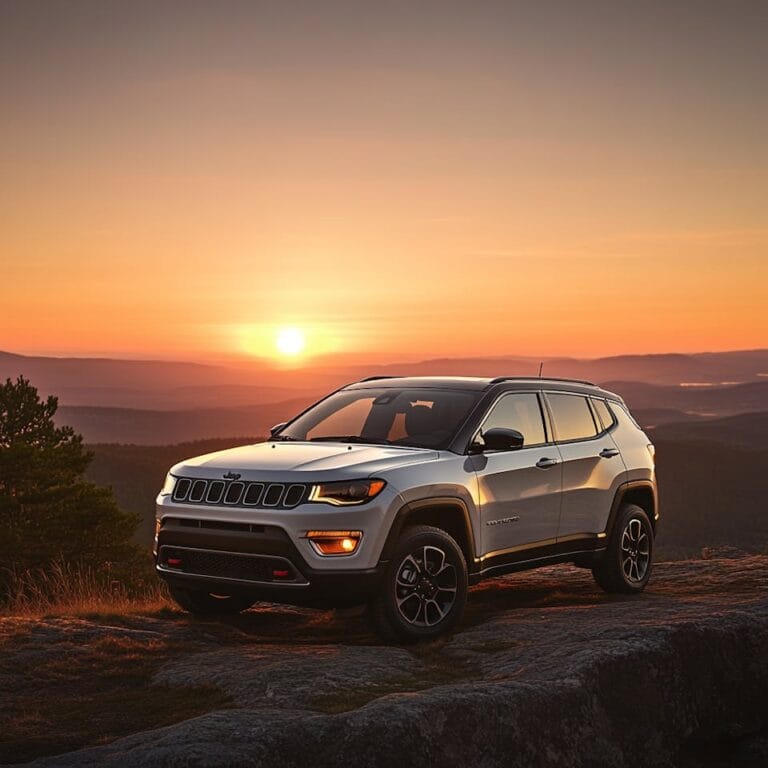
Feeling the pinch at the pump lately? As a Jeep Compass owner, you're probably thinking there's not much you can do about rising fuel costs, especially if you enjoy hitting the trails. But what if you could boost your Jeep fuel efficiency without sacrificing your sense of adventure?
That's where eco-driving comes in. Eco-driving isn't about turning your Jeep Compass into a hypermiling machine. It's about adopting smarter driving habits that can significantly improve your gas mileage, reduce your emissions, and even extend the life of your vehicle – all while still enjoying the capability and fun that come with owning a Jeep. Think of it as responsible adventuring!
Ready to get started? One easy change you can make today is to ease up on the accelerator. Avoid sudden bursts of speed and aim for smooth, gradual acceleration. This simple adjustment can make a noticeable difference in your fuel consumption. Now, let’s dive into some more practical eco-driving habits tailored for your Jeep Compass.
Mastering Eco-Driving in Your Jeep Compass
Eco-driving is all about maximizing your Jeep Compass’s fuel efficiency through mindful driving techniques. It’s not about sacrificing performance; it’s about being smarter and more efficient behind the wheel. The Jeep Compass, while a capable SUV, can benefit greatly from eco-driving practices. Let’s look at some effective strategies:
Smooth Acceleration and Braking
As mentioned earlier, aggressive acceleration and hard braking are major fuel-wasters. Every time you slam on the brakes, you're essentially converting the kinetic energy you paid for in fuel into heat – energy that’s now lost.
Anticipate traffic: Look ahead and try to anticipate changes in traffic flow. This will allow you to adjust your speed gradually and avoid unnecessary braking. Maintain a safe following distance: Giving yourself plenty of space allows you to react smoothly to sudden stops by other vehicles. Accelerate gently: Avoid flooring the accelerator, especially from a standstill. Gradually increase your speed to conserve fuel. Coast when possible: When approaching a stop sign or red light, take your foot off the accelerator early and allow your Jeep Compass to coast. This reduces fuel consumption and brake wear.
Maintaining a Consistent Speed
Once you're up to speed, maintaining a consistent pace is key to fuel efficiency. Your Jeep Compass's engine works most efficiently when it's operating at a steady RPM.
Use cruise control on the highway: Cruise control helps you maintain a constant speed, minimizing fluctuations that can waste fuel. Avoid unnecessary lane changes: Frequent lane changes often require acceleration and braking, which decrease fuel economy. Monitor your speed:Pay attention to the speed limit and avoid driving excessively fast. Fuel consumption increases exponentially at higher speeds.
Tire Pressure: Your Secret Weapon
Proper tire inflation is often overlooked, but it’s a crucial aspect of Jeep fuel efficiency. Underinflated tires increase rolling resistance, making your engine work harder and consuming more fuel.
Check your tire pressure regularly: Ideally, check your tire pressure at least once a month and before any long trips. Use a reliable tire gauge: Don't rely solely on the tire pressure monitoring system (TPMS) – use a manual gauge for accurate readings. Inflate to the recommended pressure: Consult your Jeep Compass's owner's manual or the sticker on the driver's side doorjamb for the recommended tire pressure. Consider a tire pressure monitoring system: If your Jeep Compass doesn't have one, aftermarket systems can provide real-time tire pressure information.
Minimizing Idling
Idling is a significant fuel-waster, especially in modern vehicles. While your Jeep Compass might not burn gallons of fuel while idling, even small amounts add up over time.
Avoid unnecessary idling: If you're going to be stopped for more than a minute or two, turn off your engine. Warm-up myths: Modern engines don't require extensive warm-up periods. Start driving gently soon after starting your Jeep Compass. Drive-through alternatives: If possible, park and go inside instead of using the drive-through. Plan your routes: Avoiding congested areas can reduce the amount of time you spend idling in traffic.
Strategic Gear Shifting (For Manual Transmissions)
If you have a Jeep Compass with a manual transmission, you have even more control over your fuel efficiency.
Shift up early: Shift into higher gears as soon as possible without lugging the engine. Avoid over-revving: Don't rev the engine unnecessarily before shifting. Use the correct gear:Select the appropriate gear for the driving conditions.
Reducing Weight and Drag
The heavier your Jeep Compass, and the more aerodynamic drag it creates, the harder your engine has to work.
Remove unnecessary items: Clear out any extra weight from your Jeep Compass, such as sporting equipment, tools, or luggage that you don't need. Use roof racks and cargo carriers sparingly: Roof racks and cargo carriers increase aerodynamic drag, especially at highway speeds. Remove them when not in use. Consider a tonneau cover (for Jeep Compass trucks):A tonneau cover can improve aerodynamics and reduce drag.
The Impact of Maintenance
Regular maintenance is crucial for optimizing your Jeep Compass's fuel efficiency. A well-maintained vehicle runs more smoothly and efficiently.
Follow the recommended maintenance schedule: Adhere to the maintenance schedule outlined in your owner's manual. Change your oil regularly: Use the recommended oil type and change it at the specified intervals. Replace air filters: Clogged air filters restrict airflow to the engine, reducing fuel efficiency. Maintain your engine: Address any engine issues promptly. Check your spark plugs:Faulty spark plugs can negatively impact fuel economy.
Eco-Driving and Off-Road Adventures
You might be wondering if eco-driving has any place in the world of off-roading. While fuel efficiency might not be your top priority when tackling challenging terrain, there are still ways to minimize your environmental impact while enjoying your Jeep Compass's off-road capabilities.
Plan your routes carefully: Choose trails that are appropriate for your Jeep Compass and your skill level. Avoid unnecessary wheelspin: Wheelspin wastes fuel and can damage the trail. Maintain momentum: Try to maintain a steady momentum to avoid getting stuck. Use low gear when necessary: Low gear provides more torque and control, reducing the need for excessive throttle. Tread lightly: Stay on designated trails and avoid disturbing the natural environment. Properly inflated tires for the terrain: Adjusting tire pressure can improve traction and reduce fuel consumption when appropriate.
Can Jeeps really be fuel efficient?
While Jeeps are known for their off-road capability, not necessarily fuel efficiency, eco-driving techniques can significantly improve their gas mileage. By adopting smarter driving habits, Jeep owners can reduce fuel consumption without sacrificing performance. Modern Jeep Compass models, with their smaller engines and improved technology, are more fuel-efficient than older models, making them even more receptive to eco-driving practices.
What eco-driving habits save the most gas in a Jeep?
The most impactful eco-driving habits for a Jeep include smooth acceleration and braking, maintaining a consistent speed (especially on the highway using cruise control), ensuring proper tire inflation, minimizing idling, and reducing unnecessary weight in the vehicle. Combined, these habits can lead to substantial fuel savings over time.
Does off-road driving ruin fuel efficiency?
Yes, off-road driving typically reduces fuel efficiency due to the increased resistance from uneven terrain, the use of four-wheel drive, and the need for more power to navigate obstacles. However, responsible off-road driving, such as choosing appropriate trails, maintaining momentum, and avoiding unnecessary wheelspin, can help minimize the impact on fuel consumption.
Embracing Sustainable Driving
Eco-driving isn't about making drastic changes to your lifestyle; it's about making small, sustainable adjustments that can have a big impact over time. By adopting these fuel-saving Jeep habits, you're not only saving money at the pump, but you're also reducing your carbon footprint and contributing to a cleaner, healthier environment.
Think of it as a win-win situation: you get to enjoy your Jeep Compass to the fullest while being a more responsible and eco-conscious driver. Every small change counts, and together, we can make a difference in creating a more sustainable future for ourselves and generations to come. So, get out there and explore – responsibly!

Posting Komentar