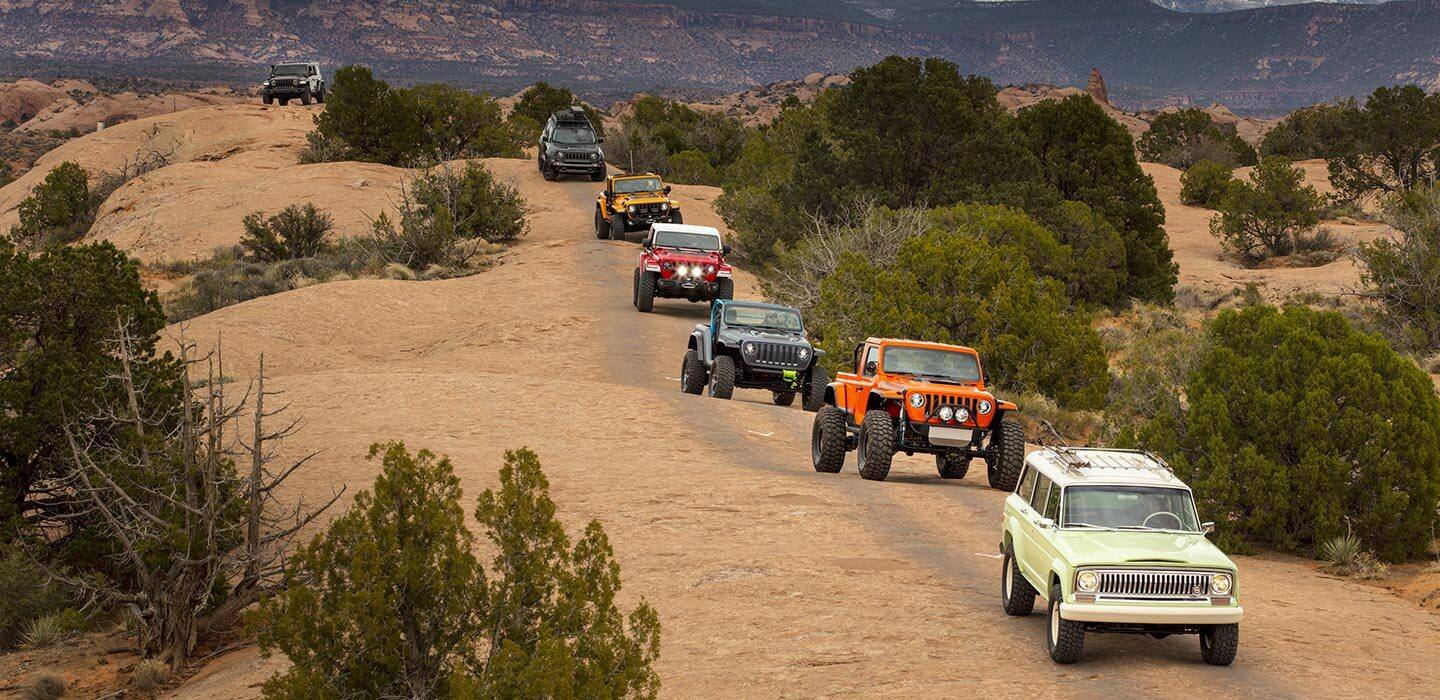
Weekend adventures in your Jeep shouldn't drain your wallet at the gas pump or leave you feeling guilty about your environmental impact. We get it. You want to explore without compromise. Luckily, with a few simple adjustments to your driving habits, you can enjoy the open road (or the rugged trail) and minimize your Jeep's environmental footprint.
Adopting eco-driving techniques doesn't mean turning your Jeep into a hybrid or sacrificing the power and performance you love. It's about making smarter choices behind the wheel to optimize fuel consumption and reduce emissions. Think of it as maximizing the efficiency of your trusty off-road companion, allowing you to go further for less.
Here's a simple tip you can implement on your next trip: practice smooth acceleration and braking. Rapid acceleration burns significantly more fuel, and hard braking wastes the energy you've already spent getting up to speed. Anticipate traffic flow, maintain a steady pace, and ease into both acceleration and braking. You’ll see an immediate improvement in your fuel efficiency.
Mastering Eco-Driving: Jeep Edition
Eco-driving isn't a one-size-fits-all solution, but many techniques translate remarkably well to Jeeps, whether you're navigating city streets or tackling challenging terrain. It’s about understanding your vehicle and adapting your driving style to different conditions. This section will explore practical strategies to help you become an eco-conscious Jeep owner.
Tire Pressure: Your First Line of Defense
Maintaining proper tire pressure is arguably one of the easiest and most overlooked fuel-saving Jeep habits. Underinflated tires increase rolling resistance, forcing your engine to work harder and burn more fuel.
Check Regularly: Invest in a reliable tire pressure gauge and check your tire pressure at least once a month, and before any long trip. Refer to the sticker on your driver's side doorjamb for the recommended pressure for your Jeep's tires. Cold Readings: Always check tire pressure when the tires are cold, as driving increases tire temperature and pressure readings. The Right Tool: Digital gauges are more accurate and easier to read than analog gauges. Off-Road Considerations: When venturing off-road, you might intentionally lower tire pressure for better traction. Remember to re-inflate your tires to the recommended pressure before returning to paved roads. Failing to do so will significantly impact your fuel efficiency.
The Art of Anticipation
Anticipating traffic flow and road conditions is crucial for maximizing fuel efficiency. By looking ahead and reacting proactively, you can minimize unnecessary acceleration and braking, both of which consume excess fuel.
Scan the Road: Pay attention to traffic lights, road signs, and the movement of other vehicles. Maintain a Safe Following Distance: This gives you more time to react to changes in traffic and avoid sudden braking. Use Cruise Control Wisely:On flat, open roads, cruise control can help maintain a consistent speed and improve fuel efficiency. However, avoid using cruise control in hilly terrain, as it can lead to unnecessary gear changes and increased fuel consumption.
Weight Reduction: Less is More
The heavier your Jeep, the more fuel it takes to move it. Reducing unnecessary weight can significantly improve your fuel efficiency, especially on challenging terrain.
Remove Unnecessary Cargo: Take a look in your Jeep. Are you hauling around tools, sports equipment, or other items that you don't need on your weekend trip? Removing excess weight is a free and easy way to improve fuel economy. Consider Aftermarket Accessories: While aftermarket bumpers, winches, and roof racks can enhance your Jeep's capabilities, they also add significant weight. Choose accessories carefully and consider their impact on fuel efficiency. If you only use a roof rack occasionally, remove it when it's not needed. Empty the Roof Rack:Speaking of roof racks, even when empty, they create aerodynamic drag, which reduces fuel efficiency. Remove them when not in use for optimal results.
The Power of Gradual Acceleration
Aggressive acceleration is a major fuel guzzler. Gently accelerating from a stop saves fuel and reduces wear and tear on your engine and drivetrain.
Ease into it: Avoid stomping on the gas pedal. Gradually increase your speed, allowing the engine to work efficiently. Listen to Your Engine: Pay attention to the sound of your engine. Avoid revving it excessively, as this wastes fuel. Shift Smartly (Manual Transmissions):If you have a manual transmission, shift gears at the optimal RPM range for fuel efficiency. Consult your owner's manual for recommendations.
Idling: A Silent Fuel Thief
Idling is a silent fuel thief. When your engine is idling, it's burning fuel without moving you an inch.
Avoid Unnecessary Idling: If you're stopped for more than a minute, turn off your engine. Restarting your engine consumes less fuel than idling for an extended period. Plan Your Stops: Avoid idling in drive-throughs or waiting in parking lots. Park your Jeep and walk inside instead. Consider Remote Start Limitations:While remote start can be convenient, avoid using it unnecessarily, as it consumes fuel without any benefit.
Green Off-Road Driving: Minimizing Your Impact
Off-roading is a beloved Jeep tradition, but it's essential to do it responsibly and minimize your impact on the environment. Practicing green off-road driving isn't just about fuel efficiency; it's about preserving the trails and natural landscapes for future generations.
Tread Lightly!
Tread Lightly! principles are essential for responsible off-roading. These guidelines help minimize environmental damage and ensure the sustainability of off-road trails.
Travel Responsibly: Stay on designated trails and avoid creating new ones. Respect the Rights of Others: Be considerate of other trail users and avoid disturbing wildlife. Educate Yourself: Learn about the local environment and regulations before hitting the trails. Avoid Sensitive Areas: Stay away from wetlands, streams, and other sensitive areas. Do Your Part:Pack out all trash and leave the area cleaner than you found it.
Proper Gear Selection
Using the right gear for the terrain can improve fuel efficiency and reduce wear and tear on your Jeep.
Low Range When Necessary: Use low range only when needed for challenging terrain. Avoid using it on paved roads or smooth trails. Maintain Momentum: Keep a steady pace and avoid unnecessary acceleration and braking. Traction Control Systems:Utilize your Jeep's traction control systems to maintain grip and avoid wheel spin, which wastes fuel.
Regular Maintenance: A Happy Jeep is an Efficient Jeep
Regular maintenance is crucial for maximizing your Jeep's fuel efficiency and minimizing its environmental impact. A well-maintained Jeep runs smoother, burns less fuel, and produces fewer emissions.
Oil Changes: Follow the manufacturer's recommended oil change intervals. Air Filter: Replace the air filter regularly to ensure optimal engine performance. Spark Plugs: Replace spark plugs according to the maintenance schedule. Fluid Checks: Regularly check and top off all fluids, including coolant, brake fluid, and power steering fluid. Professional Inspections:Schedule regular inspections with a qualified mechanic to identify and address any potential problems.
Can Jeeps really be fuel efficient?
While Jeeps are not known for being the most fuel-efficient vehicles on the road, especially older models, modern Jeeps equipped with advanced engine technologies and proper driving habits can achieve respectable fuel economy. Eco-driving for Jeep SUVs focuses on maximizing the efficiency of the existing engine and components.
What eco-driving habits save the most gas in a Jeep?
The most impactful fuel-saving Jeep habits include maintaining proper tire pressure, practicing smooth acceleration and braking, avoiding excessive idling, and reducing unnecessary weight. Combining these habits will yield the most significant improvement in your Jeep's fuel efficiency.
Does off-road driving ruin fuel efficiency?
Off-road driving generally reduces fuel efficiency due to increased rolling resistance, lower gears, and the need for more power to navigate challenging terrain. However, practicing green off-road driving techniques, such as choosing appropriate trails and using proper gear selection, can help minimize the impact.
Sustainable Adventures Await
Adopting eco-smart habits for your Jeep weekend trips isn't about depriving yourself of the fun and freedom that your vehicle offers. It's about making conscious choices that benefit both your wallet and the environment. By implementing these simple strategies, you can enjoy your Jeep adventures while minimizing your fuel consumption and environmental impact. Start small, be consistent, and track your progress. You'll be amazed at how much you can save and how much better you'll feel about exploring the world in your Jeep.

Posting Komentar