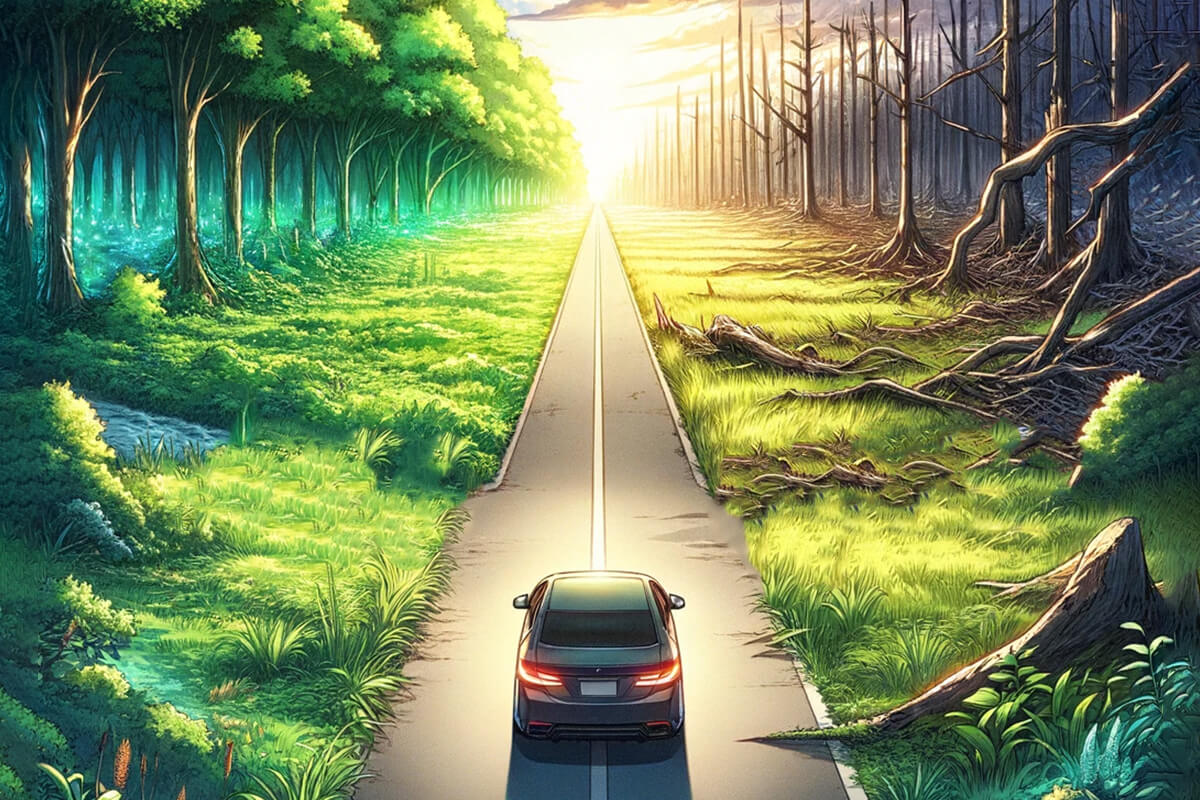
Feeling the pinch at the pump lately? As Jeep owners, we love the freedom of the open road (and the unbeaten path!), but those gas station visits can definitely sting. What if you could enjoy your Jeep adventure and be kinder to the planet at the same time?
Eco-friendly driving isn’t about trading in your Jeep; it’s about adapting your driving style to maximize fuel efficiency and minimize emissions. It’s about making small changes that collectively make a big difference, proving that even a rugged vehicle like a Jeep can be driven responsibly without sacrificing the fun! Let's explore some practical tips to boost your Jeep's fuel economy and inspire others on the road.
Eco-Friendly Jeep Driving Habits
Adopting eco-friendly habits might seem daunting, but they’re surprisingly simple and effective when applied to your everyday Jeep driving. Let’s start with a technique you can implement right now: gentle acceleration.
Instead of flooring it from a stop, ease into the accelerator pedal. Rapid acceleration consumes significantly more fuel. Aim for a smooth and gradual increase in speed. Imagine you have a cup of water on your dashboard – you want to accelerate without spilling a drop! This simple change can noticeably improve your Jeep fuel efficiency.
Maintaining Your Jeep for Optimal Fuel Efficiency
Regular maintenance is paramount to ensuring your Jeep runs efficiently. Over time, neglected maintenance can drastically reduce fuel economy. Think of it like this: a healthy Jeep is a happy (and fuel-efficient) Jeep.
Tire Pressure: Check your tire pressure regularly (at least monthly) and inflate your tires to the recommended pressure listed in your owner's manual or on the sticker inside your driver's side door. Underinflated tires create more rolling resistance, forcing your engine to work harder and burn more fuel. Air Filter: A clean air filter allows your engine to breathe properly. Replace your air filter as recommended in your owner's manual, or more frequently if you drive in dusty conditions. A clogged air filter restricts airflow and reduces fuel efficiency. Oil Changes: Regular oil changes are crucial for engine lubrication and performance. Use the correct type of oil recommended for your Jeep model. Old, dirty oil increases friction within the engine, leading to decreased fuel economy. Spark Plugs: Faulty or worn spark plugs can cause misfires, which reduce fuel efficiency and can damage your catalytic converter. Replace your spark plugs according to the manufacturer's recommendations. Wheel Alignment:Proper wheel alignment reduces tire wear and rolling resistance. Misaligned wheels can cause your tires to drag, wasting fuel and causing premature tire wear. Have your wheel alignment checked periodically, especially after off-road adventures.
Smart Driving Techniques for Fuel Savings
Beyond basic maintenance, several driving techniques can significantly improve your Jeep's fuel economy. These techniques require a bit of conscious effort initially, but they quickly become second nature.
Anticipate Traffic Flow: Pay attention to the road ahead and anticipate changes in traffic flow. Avoid sudden braking and acceleration by maintaining a safe following distance and looking further down the road. This allows you to coast more often, saving fuel. Use Cruise Control Wisely: Cruise control is beneficial on flat highways, as it helps maintain a consistent speed and prevents unnecessary acceleration. However, avoid using cruise control in hilly terrain, as the system may downshift frequently, negating any fuel savings. Avoid Excessive Idling: Idling consumes fuel without moving the vehicle. If you're stopped for more than a minute, turn off your engine. Modern engines are designed to restart quickly and efficiently. Combine Errands: Plan your trips carefully to combine multiple errands into a single journey. This reduces the number of cold starts, which consume more fuel than driving a warm engine. Drive at Moderate Speeds: Aerodynamic drag increases significantly at higher speeds, requiring more engine power and consuming more fuel. Driving at moderate speeds (around 55-65 mph) on the highway can significantly improve your Jeep's fuel economy. Use Overdrive Gears: When appropriate, allow your Jeep's transmission to shift into the highest available gear (overdrive). Overdrive gears reduce engine RPMs, saving fuel on the highway. Remove Excess Weight: Extra weight in your Jeep increases fuel consumption. Remove any unnecessary items from your vehicle, such as tools, sports equipment, or other heavy objects. Minimize Air Conditioning Use: Air conditioning places a significant load on your engine, reducing fuel efficiency. When possible, use the ventilation system or roll down the windows instead of using the A/C. If you must use the A/C, set it to a moderate temperature.
Green Off-Road Driving: Tread Lightly
For many Jeep owners, off-roading is a way of life. While off-roading inherently consumes more fuel than highway driving, there are still ways to minimize your environmental impact and practice responsible trail etiquette.
Plan Your Route: Before heading off-road, research your route carefully. Choose trails that are appropriate for your Jeep's capabilities and your skill level. Avoid driving on fragile or sensitive terrain. Tire Pressure for Off-Roading: Adjust your tire pressure appropriately for the terrain. Lowering tire pressure increases traction and reduces the risk of damaging the trail. Remember to re-inflate your tires to the correct pressure before returning to the highway. Stay on Designated Trails: Stay on designated trails to avoid damaging vegetation and disturbing wildlife habitats. Never create new trails. Pack Out Everything You Pack In: Leave no trace behind. Pack out all your trash and dispose of it properly. Avoid Unnecessary Wheel Spin: Spinning your tires damages the trail and wastes fuel. Use low-range gearing and a light touch on the accelerator to maintain traction. Be Mindful of Water Crossings: Avoid driving through water crossings that are deeper than necessary. Deeper water crossings can damage your vehicle and pollute the waterway. Support Sustainable Trail Management:Support organizations that promote responsible off-roading and trail maintenance.
Utilizing Jeep Technology for Efficiency
Modern Jeeps are often equipped with features that can help you drive more efficiently. Understanding and utilizing these technologies can contribute to significant fuel savings.
Eco Mode: Many newer Jeep models feature an "Eco" mode that optimizes engine and transmission settings for maximum fuel efficiency. Engage Eco mode when appropriate, such as on the highway or in city driving. Fuel Economy Display: Pay attention to your Jeep's fuel economy display, which provides real-time feedback on your driving habits. Use this information to adjust your driving style and improve your fuel efficiency. Stop-Start Technology:Some Jeep models are equipped with stop-start technology, which automatically shuts off the engine when the vehicle is stopped and restarts it when you release the brake. This feature can save fuel in stop-and-go traffic.
Modifications That Enhance Fuel Efficiency (and Those That Don't)
Modifying your Jeep can improve its appearance and performance, but it's important to choose modifications that enhance fuel efficiency rather than detract from it.
Aerodynamic Modifications: Adding aerodynamic modifications, such as a front air dam or a rear spoiler, can reduce drag and improve fuel economy at highway speeds. However, the impact of these modifications is typically minimal. Low Rolling Resistance Tires: Switching to low rolling resistance tires can reduce rolling resistance and improve fuel efficiency. Look for tires that are specifically designed for fuel economy. Lightweight Wheels: Replacing your heavy stock wheels with lightweight alloy wheels can reduce unsprung weight and improve fuel efficiency. Engine Tuning: A professional engine tune can optimize your engine's performance and improve fuel economy. However, be sure to choose a reputable tuner who understands the specific needs of your Jeep. Lift Kits and Oversized Tires: While lift kits and oversized tires can improve your Jeep's off-road capabilities, they typically reduce fuel efficiency due to increased weight, rolling resistance, and aerodynamic drag. Aggressive Tread Patterns: Tires with aggressive tread patterns provide excellent off-road traction, but they also increase rolling resistance and reduce fuel efficiency on paved roads.
People Also Ask
Can Jeeps really be fuel efficient?
While Jeeps aren't typically known for being the most fuel-efficient vehicles on the road, adopting eco-friendly driving habits and maintaining your vehicle properly can significantly improve your fuel economy. Every little bit helps!
What eco-driving habits save the most gas in a Jeep?
Gentle acceleration, maintaining a steady speed, anticipating traffic flow, and avoiding excessive idling are some of the most effective eco-driving habits for saving gas in a Jeep. Regular maintenance, such as checking tire pressure and replacing air filters, also plays a crucial role.
Does off-road driving ruin fuel efficiency?
Yes, off-road driving typically consumes more fuel than highway driving due to increased rolling resistance, lower gearing, and more aggressive driving maneuvers. However, by planning your route carefully, adjusting your tire pressure appropriately, and staying on designated trails, you can minimize your environmental impact and practice responsible off-roading.
By implementing these eco-friendly Jeep driving habits, you're not just saving money at the pump – you're contributing to a cleaner environment and inspiring others to do the same. It’s about embracing a more sustainable approach to enjoying your Jeep, proving that adventure and responsibility can go hand in hand. You’re empowering yourself to make a difference, one mile at a time. Drive on, responsibly!

Posting Komentar