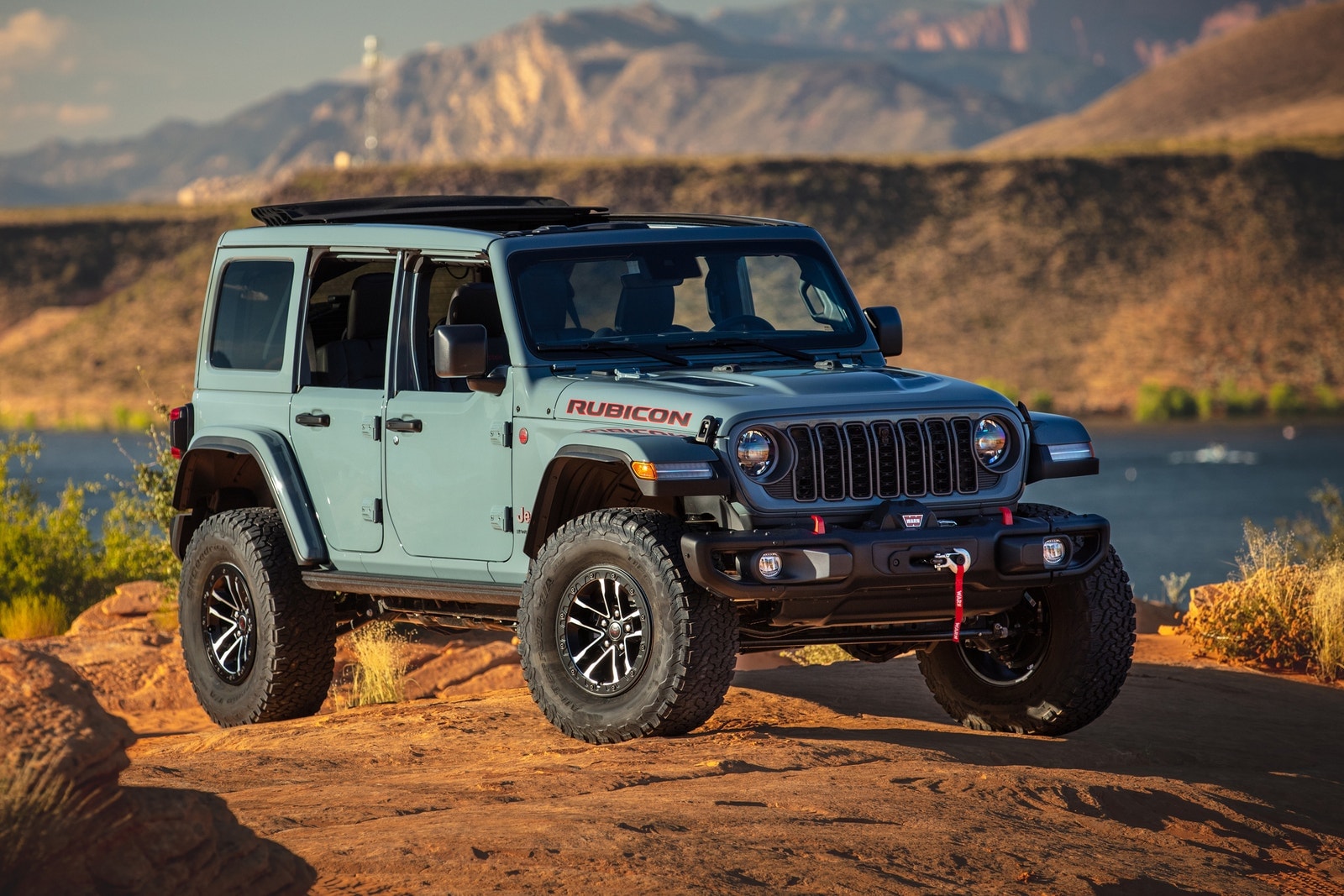
Fuel costs hitting you harder than a rock on the Rubicon Trail? You're not alone. Every Jeep owner feels the pinch at the pump, especially when you're itching to explore beyond the pavement. But here’s the good news: youcanminimize fuel consumption and maximize your Jeep adventures without breaking the bank.
Eco-driving isn't about turning your rugged Jeep into a hypermiling hatchback. It's about adopting smarter driving habits that optimize your vehicle's performance and reduce wasted fuel. Think of it as getting more miles per gallon while still enjoying the legendary Jeep capability you love. With a few simple tweaks, you can significantly improve your Jeep's fuel efficiency, reduce emissions, and save money – all while keeping the spirit of adventure alive.
Here’s a super-easy tip to start with: accelerate gently. Pretend you have a raw egg between your foot and the gas pedal. A smooth, gradual increase in speed uses far less fuel than aggressive acceleration, which forces your engine to work much harder. Give it a try on your next drive and watch your MPG improve!
Mastering Jeep Fuel Efficiency: Simple Driving Habits
Jeep fuel efficiency tips often focus on the obvious – tire pressure, maintenance, and load weight. While these are crucial, the way you drive your Jeep has an even greater impact. Let’s dive into actionable driving habits that yield real-world fuel savings.
Anticipate and Coast
One of the most effective eco-driving techniques is anticipating traffic flow. Look further down the road to identify potential slowdowns or stops. Instead of slamming on the brakes at the last minute, ease off the accelerator and coast to decelerate. This allows your Jeep to maintain momentum and avoid unnecessary fuel consumption. It also reduces wear and tear on your brakes! Practice visualizing the road ahead – anticipating traffic lights, merging vehicles, and changes in speed limits. This proactive approach will transform your driving style and dramatically improve your Jeep's fuel economy.
Maintain a Steady Speed
Variations in speed eat up fuel. Using cruise control (when appropriate and safe) on highways or open roads helps maintain a consistent speed, leading to better fuel efficiency. However, cruise control isn't always ideal for hilly terrain, as it might cause your Jeep to downshift aggressively to maintain speed uphill, which wastes fuel. In those situations, try to maintain a steady throttle position and let your speed fluctuate slightly. The key is to avoid sudden acceleration and deceleration.
Minimize Idling
Idling is a notorious fuel guzzler. If you're stopped for more than a minute, turn off your engine. Modern Jeeps are designed to restart quickly and efficiently, and the small amount of wear on the starter motor is insignificant compared to the fuel wasted by idling. This is especially important in urban areas or stop-and-go traffic. Develop the habit of turning off your engine at long traffic lights, railroad crossings, or when waiting for someone. Every little bit counts!
Use Higher Gears Sooner
Shift to higher gears as soon as possible without lugging the engine. Lugging the engine (when the engine speed is too low for the gear) is just as bad as revving it too high. Learn the optimal shift points for your Jeep model. Most modern Jeeps have an indicator on the dashboard that suggests when to shift, especially useful in manual transmissions. In automatic transmissions, avoid using the "sport" mode unless you really need the extra power, as it holds gears longer and reduces fuel efficiency. The goal is to keep the engine running at its most efficient RPM range, which is typically in the lower to mid-range.
Lighten Your Load
Extra weight puts a strain on your engine and reduces fuel economy. Remove any unnecessary items from your Jeep, especially heavy gear you don't need for your daily commute. Consider removing roof racks or cargo carriers when not in use, as they create aerodynamic drag and increase fuel consumption. Even small changes in weight can make a noticeable difference over time.
Optimizing Your Jeep for Fuel Savings: Beyond Driving Habits
Fuel-saving Jeep habits extend beyond how you drive. Regular maintenance and strategic upgrades can further enhance your Jeep's fuel efficiency.
Regular Maintenance is Key
A well-maintained Jeep is a fuel-efficient Jeep. Follow your Jeep's recommended maintenance schedule, including oil changes, air filter replacements, and spark plug inspections. Dirty air filters restrict airflow to the engine, forcing it to work harder and consume more fuel. Old or worn spark plugs can cause misfires, which reduce engine efficiency. Regular oil changes ensure that your engine is properly lubricated, reducing friction and improving fuel economy. Don't neglect these essential maintenance tasks.
Tire Pressure Matters
Properly inflated tires reduce rolling resistance, which directly impacts fuel efficiency. Check your tire pressure regularly (at least once a month) and inflate them to the recommended pressure specified in your Jeep's owner's manual or on the sticker inside the driver's side door. Underinflated tires increase rolling resistance, making your engine work harder and reducing fuel economy. Invest in a good quality tire pressure gauge and make it a habit to check your tires before long trips.
Choose the Right Tires
When it's time to replace your tires, consider choosing low rolling resistance tires. These tires are designed to minimize friction with the road, improving fuel efficiency without sacrificing grip or handling. Consult with a tire specialist to find the best low rolling resistance tires for your Jeep model and driving conditions. While aggressive off-road tires look great, they can significantly reduce fuel economy due to their increased rolling resistance.
Consider Aerodynamic Improvements (Carefully)
Jeeps aren't exactly known for their aerodynamic profiles, but there are a few things you can do to improve airflow. Removing unnecessary accessories like roof racks or light bars can reduce drag. Be cautious about adding aftermarket modifications that claim to improve aerodynamics, as some may actually worsen fuel economy. Do your research and choose products that have been proven to deliver real-world fuel savings. A subtle air dam or deflector might help, but avoid anything that drastically alters the Jeep's appearance.
Understand Your Jeep's Features
Many modern Jeeps come equipped with fuel-saving features, such as cylinder deactivation or automatic start/stop. Familiarize yourself with these features and how they work. Cylinder deactivation shuts down some of the engine's cylinders when full power isn't needed, reducing fuel consumption. Automatic start/stop automatically turns off the engine when the vehicle is stopped, such as at a traffic light, and restarts it when you release the brake. Make sure these features are enabled and functioning properly to maximize fuel savings.
Green Off-Road Driving: Minimizing Your Environmental Impact
Even when you're off the beaten path, you can still practice green driving habits. Responsible off-roading not only protects the environment but also preserves the trails for future generations.
Tread Lightly
The "Tread Lightly!" principles are essential for responsible off-roading. Stay on designated trails, avoid sensitive areas, and minimize your impact on the environment. Avoid spinning your tires, which can damage vegetation and create ruts. Pack out everything you pack in, and dispose of waste properly. Respect wildlife and their habitats.
Reduce Speed Off-Road
Driving at lower speeds off-road reduces fuel consumption and minimizes the risk of damaging your vehicle or the environment. Aggressive off-roading burns significantly more fuel than slow, controlled driving. Take your time, enjoy the scenery, and be mindful of your impact.
Choose Your Trails Wisely
Select trails that are appropriate for your Jeep's capabilities and your skill level. Avoid trails that are overly challenging, as they can put extra stress on your vehicle and increase fuel consumption. Research trail conditions beforehand and choose routes that are well-maintained and environmentally sound.
Consider a More Fuel-Efficient Jeep
If you're serious about minimizing your environmental impact, consider trading in your older Jeep for a newer, more fuel-efficient model. Modern Jeeps often feature advanced engine technologies and improved aerodynamics that deliver better fuel economy. Alternatively, consider a hybrid or electric Jeep if you want to significantly reduce your carbon footprint.
Plan Your Route
Avoid getting lost while off-roading! Getting lost means backtracking, extra miles, and wasted fuel. Before heading off-road, plan your route carefully using maps, GPS, or navigation apps. Stick to the planned route and avoid unnecessary detours. Proper planning can save you time, fuel, and potential headaches.
People Also Ask
Can Jeeps really be fuel efficient?
While Jeeps aren't typically known for being themostfuel-efficient vehicles, modern models are significantly better than older ones. Employing eco-driving techniques, maintaining your vehicle properly, and making smart tire choices can noticeably improve your Jeep's MPG. Focus on consistent speed, avoiding aggressive acceleration, and minimizing idling.
What eco-driving habits save the most gas in a Jeep?
Anticipating traffic and coasting to slow down are highly effective. Also, maintaining a steady speed, minimizing idling, and using higher gears sooner make a big difference. Ensure your tires are properly inflated, and remove unnecessary weight from your Jeep.
Does off-road driving ruin fuel efficiency?
Yes, off-road driving generally decreases fuel efficiency due to the increased rolling resistance of uneven terrain and the need for more power to navigate obstacles. However, driving responsibly off-road by maintaining a slow speed, staying on marked trails, and avoiding unnecessary wheel spin can help mitigate the impact.
Embrace Sustainable Driving
Improving your Jeep's fuel efficiency doesn't mean sacrificing the joy of driving. It's about adopting a more conscious approach that benefits both your wallet and the environment. By incorporating these simple driving habits and maintenance tips, you can significantly reduce your fuel costs, lower emissions, and enjoy your Jeep adventures with a clear conscience. Remember, every small change adds up to a big difference. So, get out there, explore responsibly, and make every mile count!

Posting Komentar