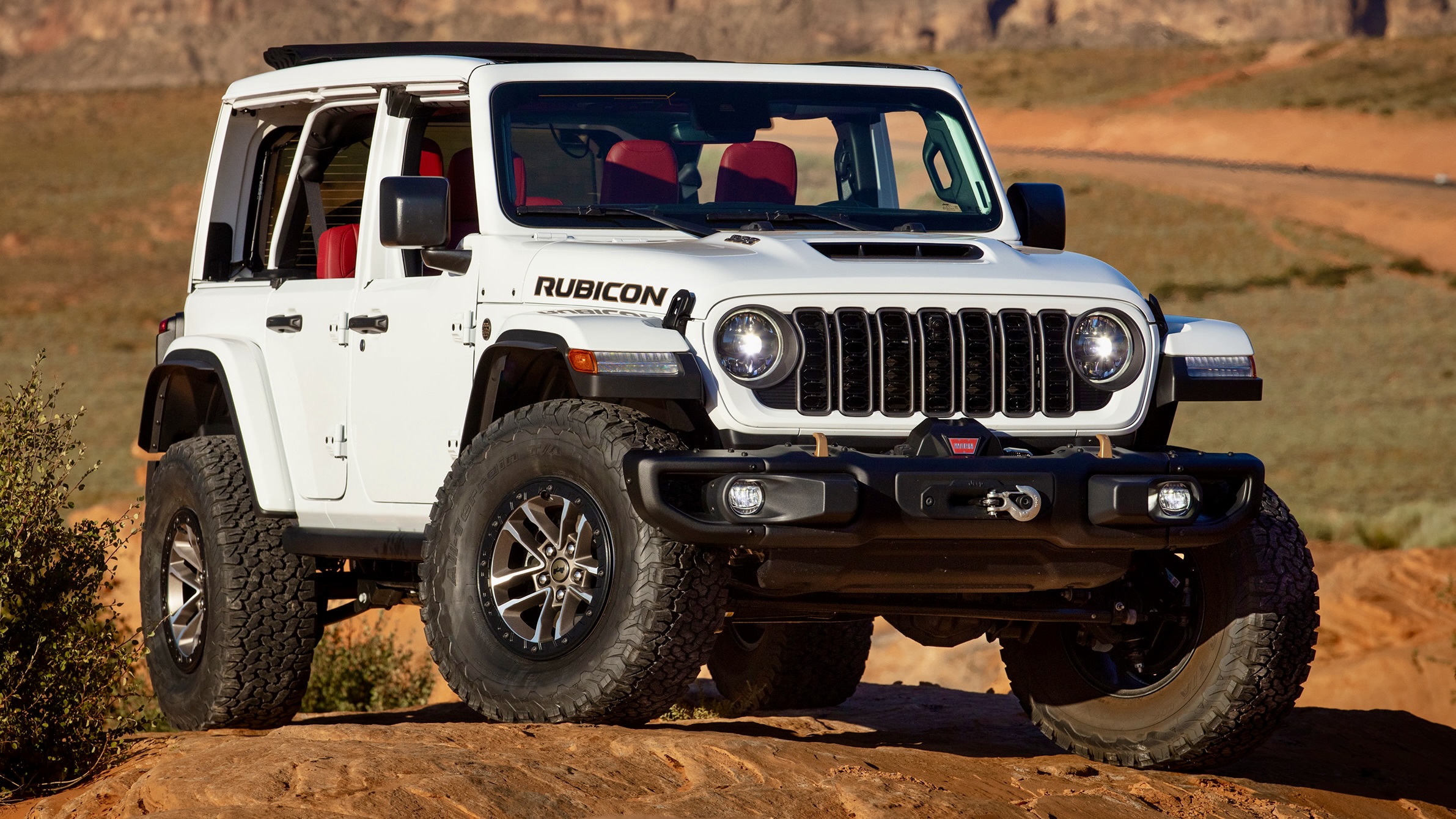
Tired of watching your fuel gauge plummet faster than your Jeep climbs a rocky trail? You love the freedom and capability of your Jeep, but the thought of rising gas prices and environmental impact can definitely put a damper on the adventure. Good news! You don't need to trade in your beloved Jeep for a hybrid to make a real difference.
You can significantly improve your Jeep fuel efficiency and reduce your carbon footprint simply by adopting smarter driving habits. We're talking about eco-driving techniques – practical adjustments to your driving style that can lead to noticeable savings at the pump and a cleaner environment. These changes won't compromise your Jeep's performance, off-road prowess, or the sheer joy of driving it; they'll simply make you a more efficient and responsible driver.
Ready to start seeing a change right away? Try this: anticipate stops and starts. Instead of slamming on the brakes at the last second, ease off the accelerator well in advance. This allows your Jeep to coast, using momentum instead of fuel. It's a simple change, but you'll be surprised at how much gas it saves, especially in city driving.
Ready to dive deeper? Let’s explore how you can maximize your Jeep's fuel efficiency and embrace greener driving, all while still enjoying the ride.
Mastering Eco-Driving Techniques for Your Jeep
Eco-driving isn't about sacrificing performance; it's about optimizing it. It's about understanding how your driving habits impact fuel consumption and making small, yet effective, changes. These techniques are especially valuable for Jeep owners, who often drive vehicles with larger engines and higher fuel consumption rates. Let’s break down some key eco-driving techniques tailored for Jeep SUVs: Smooth Acceleration and Deceleration:Avoid aggressive acceleration and hard braking. Gradual acceleration allows the engine to operate more efficiently, while gentle braking reduces wasted energy. Imagine you’re gently encouraging your Jeep forward rather than demanding it lurch forward.
Maintain a Steady Speed: Using cruise control on the highway, when appropriate, can help maintain a consistent speed, reducing unnecessary fluctuations in fuel consumption. Avoid sudden bursts of speed. Think of it like this: slow and steady wins the fuel-efficiency race.
Anticipate Traffic Flow: Pay attention to traffic patterns and anticipate potential slowdowns or stops. By anticipating changes in traffic, you can avoid unnecessary braking and acceleration, saving fuel and reducing wear and tear on your Jeep. Leave a safe following distance.
Use Momentum Wisely: Utilize the Jeep's momentum to your advantage. When approaching a downhill slope, ease off the accelerator and allow the vehicle to coast. This will save fuel and reduce engine strain.
Minimize Idling: Idling wastes fuel. If you anticipate being stopped for more than a minute, turn off the engine. Modern Jeep engines are designed to restart quickly and efficiently, so you won't be causing any harm. This is especially important during off-road expeditions when taking breaks.
Proper Gear Selection (for Manual Transmissions): If you have a manual transmission, use the highest gear possible without lugging the engine. Shifting up earlier can significantly improve fuel efficiency. Pay attention to the engine's RPMs and shift accordingly.
Monitor Your Tire Pressure: Underinflated tires increase rolling resistance, which reduces fuel efficiency. Regularly check your tire pressure and inflate them to the recommended level. This will also improve handling and extend tire life.
Plan Your Routes: Combine errands and plan your routes to minimize driving distance. Avoid peak traffic hours whenever possible. Using a navigation app can help you find the most efficient route.
Regular Maintenance: Ensure your Jeep is properly maintained. Regular oil changes, air filter replacements, and spark plug replacements can all improve fuel efficiency. A well-maintained engine runs more efficiently.
By incorporating these eco-driving techniques into your daily routine, you can significantly improve your Jeep's fuel efficiency without sacrificing performance or enjoyment. It's about making conscious decisions and developing smarter driving habits.
Can Jeeps really be fuel efficient?
While Jeeps are not typically known for being the most fuel-efficient vehicles on the market, they can achieve respectable gas mileage with the right driving habits and maintenance. Older models can be particularly thirsty, but even newer Jeeps can benefit from eco-driving. Focus on smooth acceleration, maintaining a steady speed, and minimizing idling. Regular maintenance, such as keeping your tires properly inflated and changing your air filter, also plays a crucial role. With a conscious effort, you can make a noticeable difference in your Jeep's fuel consumption. It's all about optimizing what you've got!
Optimizing Your Jeep for Fuel Efficiency
Beyond driving habits, there are several ways to optimize your Jeep itself for improved fuel efficiency. These modifications and maintenance practices can complement your eco-driving techniques, further reducing your fuel consumption.
Reduce Weight: Excess weight reduces fuel efficiency. Remove any unnecessary items from your Jeep, such as tools, equipment, or cargo that you don't need. A lighter Jeep will require less energy to move.
Aerodynamic Improvements: While Jeeps aren't exactly known for their sleek aerodynamics, there are some minor improvements you can make. Removing roof racks when not in use can reduce drag and improve fuel efficiency. Consider a low-profile roof rack if you frequently carry items on the roof.
Tire Selection: Choose tires that are designed for fuel efficiency. Low rolling resistance tires can reduce drag and improve gas mileage. Consult with a tire specialist to find the right tires for your Jeep and driving style. Be mindful, though, that prioritizing fuel-efficient tiresmightcompromise off-road performance slightly – so choose what's most important to you.
Proper Tire Inflation: As mentioned earlier, maintaining proper tire inflation is crucial for fuel efficiency. Check your tire pressure regularly and inflate them to the recommended level. Use a tire pressure gauge and consult your Jeep's owner's manual for the correct pressure.
Engine Tuning: Consider a professional engine tune-up. A qualified mechanic can optimize your engine's performance and improve fuel efficiency. This can involve adjusting the engine's timing, fuel mixture, and other parameters.
Use the Recommended Oil: Use the type of engine oil recommended by Jeep. Using the wrong type of oil can reduce fuel efficiency and even damage your engine. Consult your owner's manual for the correct oil type.
Avoid Aftermarket Accessories that Reduce Fuel Economy: Be cautious about adding aftermarket accessories that can negatively impact fuel economy. For example, oversized tires, lift kits, and heavy bumpers can all increase fuel consumption. Consider the trade-offs before adding these accessories.
Keep it Clean: A clean Jeep is a happy Jeep and, believe it or not, potentially a more fuel-efficient one. Regular washing removes dirt and debris that can increase drag. This is especially important after off-road adventures.
By implementing these optimization strategies, you can further enhance your Jeep's fuel efficiency and reduce your carbon footprint. Remember, every little bit helps!
What eco-driving habits save the most gas in a Jeep?
Aggressive driving habits are the biggest fuel-efficiency killers in a Jeep. This includes rapid acceleration, hard braking, and speeding. Avoiding these habits and adopting a smoother, more controlled driving style will yield the most significant fuel savings. Maintaining a steady speed on the highway, anticipating traffic flow, and minimizing idling are also highly effective. Also, make sure your tires are properly inflated – this simple step can make a surprising difference.
Green Off-Road Driving: Minimizing Your Impact
For many Jeep owners, off-roading is a core part of the Jeep experience. However, it's important to be mindful of the environmental impact of off-road driving. Here's how you can enjoy off-roading while minimizing your impact: Stay on Designated Trails:Stick to established trails and avoid creating new ones. This will help protect sensitive ecosystems and prevent erosion.
Tread Lightly: Drive carefully and avoid spinning your tires. This can damage vegetation and create ruts.
Pack Out Everything You Pack In: Don't leave any trash or debris behind. Pack out everything you bring with you, including food wrappers, bottles, and equipment.
Respect Wildlife: Observe wildlife from a distance and avoid disturbing their habitat.
Avoid Driving Through Water: Driving through streams and rivers can damage aquatic ecosystems and spread invasive species. If you must cross water, do so slowly and carefully.
Be Mindful of Noise: Excessive noise can disturb wildlife and other visitors. Keep your music volume down and avoid revving your engine unnecessarily.
Participate in Trail Maintenance: Volunteer your time to help maintain trails and clean up litter. This is a great way to give back to the off-road community and protect the environment.
Consider Electric Winches: If you need to use a winch, consider using an electric winch instead of a gas-powered one. Electric winches are quieter and produce no emissions.
Properly Dispose of Waste: Dispose of waste fluids properly. Never dump oil, coolant, or other fluids on the ground. Take them to a designated recycling center.
Support Responsible Off-Road Organizations: Support organizations that promote responsible off-road driving and environmental conservation.
By following these guidelines, you can enjoy off-roading while minimizing your impact on the environment. Remember, it's our responsibility to protect the trails and natural resources for future generations. Green off-road driving is about respecting nature and preserving the beauty of the outdoors.
Does off-road driving ruin fuel efficiency?
Yes, off-road driving typically results in significantly lower fuel efficiency compared to on-road driving. This is due to several factors, including the increased rolling resistance of driving on uneven terrain, the use of four-wheel drive, and the lower gears often required for navigating challenging obstacles. Driving at slower speeds and navigating obstacles requires more power and, therefore, more fuel. It's important to be aware of this and plan accordingly, especially on longer off-road trips.
The Road Ahead: Sustainable Driving Made Simple
Embracing eco-driving isn't about drastically changing your lifestyle; it's about making small, conscious choices that add up to a big impact. By implementing the techniques and strategies outlined in this guide, you can significantly improve your Jeep's fuel efficiency, reduce your carbon footprint, and contribute to a more sustainable future, without sacrificing the joy of driving your Jeep.
Remember, every little bit helps. Whether it's easing off the accelerator, maintaining proper tire pressure, or planning your routes more efficiently, every small change can make a difference. So, get out there, enjoy the open road (and the trails!), and drive with a greater sense of responsibility. You'll be amazed at how easy it is to be both a Jeep enthusiast and an environmentally conscious driver. It’s about driving smarter, not less!

Posting Komentar