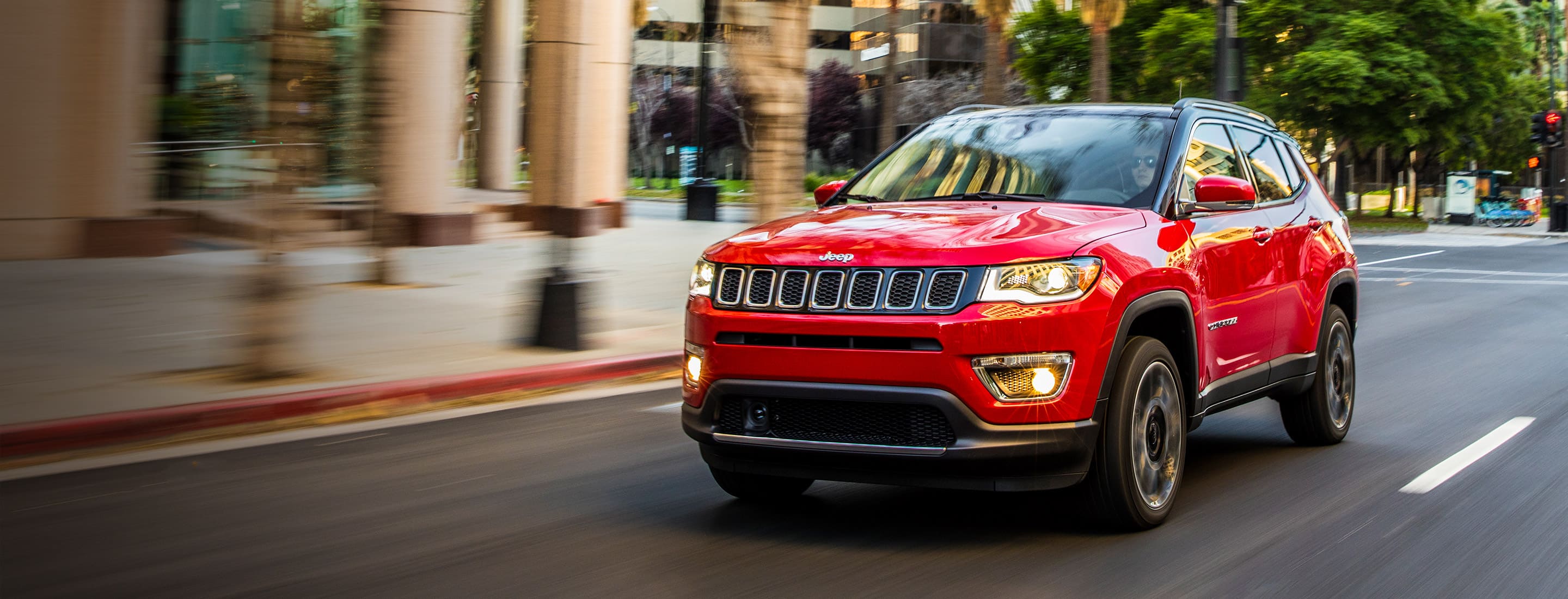
Are you a Jeep owner tired of watching your fuel gauge drop faster than the stock market? Do you love the freedom of your Jeep but wince every time you fill up? You're not alone. Many Jeep drivers struggle with fuel costs, but the good news is, there are simple strategies you can use to improve your Jeep’s efficiency without sacrificing the fun.
Eco-driving isn't about turning your rugged Jeep into a hypermiling machine. It's about adopting smarter habits that workwithyour vehicle, not against it. You can still enjoy the power and capability of your Jeep while also reducing your carbon footprint and saving money at the pump. It’s about finding that sweet spot where performance meets responsibility.
Let's start with something you can implement immediately: smooth and steady acceleration. Instead of flooring the gas pedal from a stop, gently ease into acceleration. Imagine you have a cup of coffee on the dashboard – you want to accelerate smoothly enough that you don’t spill a drop. This simple adjustment can significantly reduce fuel consumption, especially in city driving.
Mastering the Art of Anticipation:Reading the Road
One of the biggest secrets to maximizing Jeep fuel efficiency is learning to anticipate traffic flow. This goes beyond just being a courteous driver; it's about using your Jeep’s momentum intelligently.
Instead of constantly accelerating and braking, try to maintain a consistent speed whenever possible. Look ahead for upcoming red lights, slowing traffic, or changes in terrain. By anticipating these situations, you can often coast or gradually decelerate instead of slamming on the brakes and then needing to accelerate again.
Look Further Ahead: Scan the road well in front of you – several car lengths, if possible. This gives you more time to react and adjust your speed smoothly. Utilize Cruise Control Wisely: On long, flat stretches of highway, cruise control can help maintain a consistent speed and improve fuel economy. However, be mindful of hilly terrain, where cruise control can sometimes downshift aggressively, negating its benefits. Let Off the Gas:As you approach a red light or slowing traffic, take your foot off the accelerator early and let your Jeep coast. This uses the vehicle's momentum to slow down naturally, saving fuel compared to braking suddenly.
Learning to read the road takes practice, but it's a skill that will pay off in improved fuel efficiency and a more relaxed driving experience. This is especially relevant for Jeep owners who frequently find themselves in stop-and-go traffic or navigating winding roads.
People Also Ask:
Can Jeeps really be fuel efficient?
While Jeeps aren't typically known for their exceptional fuel economy, adopting eco-driving techniques and maintaining your vehicle properly can make a noticeable difference. Modern Jeeps also offer technologies like e Torque (mild-hybrid) systems that enhance fuel efficiency. Don't expect Prius-level mileage, but a commitment to fuel-saving habits can definitely improve your MPG.
The Importance of Proper Jeep Maintenance
Neglecting routine maintenance is a surefire way to sabotage your Jeep's fuel efficiency. A poorly maintained engine has to work harder, leading to increased fuel consumption and emissions.
Here's a breakdown of essential maintenance items that directly impact fuel economy: Tire Pressure: Underinflated tires create more rolling resistance, forcing your engine to work harder. Check your tire pressure regularly (at least once a month) and inflate them to the recommended pressure listed on the sticker inside your driver's side door. A simple tire pressure gauge is an invaluable tool. Air Filter: A clogged air filter restricts airflow to the engine, reducing its efficiency. Replace your air filter according to your owner's manual's recommendations. This is a relatively inexpensive task that can make a significant difference. Spark Plugs: Worn or fouled spark plugs can cause misfires, which waste fuel and reduce engine performance. Replace your spark plugs at the intervals specified in your owner's manual. Oil Changes: Regularly changing your oil keeps your engine running smoothly and efficiently. Use the correct type of oil as recommended by Jeep. Dirty oil increases friction and reduces fuel economy. Wheel Alignment: Proper wheel alignment ensures that your tires roll smoothly and evenly. Misaligned wheels create drag, forcing your engine to work harder. Get your wheels aligned periodically, especially after off-roading or hitting potholes. Regular Inspections: Schedule regular checkups with a trusted mechanic to catch potential problems early. Issues like vacuum leaks or faulty sensors can negatively impact fuel economy and overall performance.
By staying on top of these maintenance items, you'll keep your Jeep running optimally and maximize its fuel efficiency. Think of it as an investment in both your vehicle's longevity and your wallet.
Optimize Your Jeep for Everyday Driving
Beyond driving habits and maintenance, there are other ways to optimize your Jeep for better fuel efficiency. These adjustments may seem small, but they can add up over time.
Reduce Excess Weight: Carrying unnecessary weight in your Jeep can significantly reduce fuel economy. Remove any items you don't need, such as extra tools, sporting equipment, or heavy cargo. Minimize Roof Rack Use: Roof racks create aerodynamic drag, especially at highway speeds. Remove your roof rack when you're not using it to reduce drag and improve fuel efficiency. Choose the Right Tires: While aggressive off-road tires look great, they often have higher rolling resistance than all-season tires. If you primarily drive on paved roads, consider switching to all-season tires for better fuel economy. Consider a Cold Air Intake (with caution): While some aftermarket modifications can improve horsepower, they don’t always lead to better fuel economy. Research the specific modification you are considering and whether real-world users see an improvement in MPG. A cold air intake canpotentiallyimprove airflow to the engine. Be Mindful of Aftermarket Accessories:Heavy bumpers, winches, and other aftermarket accessories can add significant weight to your Jeep, negatively impacting fuel efficiency. Consider the weight of these accessories before installing them.
These optimizations are about making smart choices that align with your driving needs and priorities. You don't have to completely strip down your Jeep to improve fuel efficiency, but being mindful of these factors can make a difference.
People Also Ask:
What eco-driving habits save the most gas in a Jeep?
Smooth acceleration, anticipating traffic flow, and maintaining a consistent speed are the biggest fuel-saving habits. Avoiding aggressive driving (hard acceleration and braking) can significantly improve your MPG.
Green Off-Roading: Responsible Trail Etiquette
For many Jeep owners, off-roading is a passion. But it's essential to practice responsible trail etiquette to minimize your environmental impact. While off-roading will naturally decrease fuel efficiency, you can still make choices to reduce your footprint.
Stay on Designated Trails: Driving off-trail can damage vegetation, erode soil, and disturb wildlife. Stick to established trails to minimize your impact on the environment. Tread Lightly: Avoid spinning your tires, which can cause soil erosion. Use proper tire pressure for the terrain to maximize traction and minimize damage. Pack Out Everything You Pack In: Don't leave any trash behind. Pack out everything you bring with you, including food wrappers, bottles, and equipment. Be Respectful of Wildlife: Observe wildlife from a distance and avoid disturbing their habitat. Consider Eco-Friendly Trail Options: Some trails are designed to minimize environmental impact. Look for trails that incorporate sustainable design principles. Plan Your Route Wisely: Longer, more challenging off-road routes naturally consume more fuel. Plan your route carefully, considering fuel consumption and environmental impact.
Practicing green off-roading not only protects the environment but also helps preserve access to trails for future generations. It’s about enjoying the outdoors responsibly and minimizing your impact on the delicate ecosystems you're exploring.
Decoding Your Jeep's Fuel Efficiency Features
Many modern Jeeps come equipped with features designed to improve fuel efficiency. Understanding how to use these features can help you maximize your MPG.
Eco Mode: Some Jeeps have an "Eco" mode that optimizes engine performance for fuel efficiency. When engaged, Eco mode typically reduces throttle response and adjusts shift points to prioritize fuel economy. Experiment with Eco mode to see how it impacts your driving experience. Automatic Start/Stop: This feature automatically shuts off the engine when the vehicle comes to a complete stop, such as at a traffic light. The engine restarts automatically when you release the brake pedal. While some drivers find this feature annoying, it can save a significant amount of fuel, especially in city driving. e Torque: Jeep's e Torque mild-hybrid system uses a battery-powered motor to assist the engine, improving fuel efficiency and providing extra torque for acceleration. Fuel Economy Displays: Most modern Jeeps have a fuel economy display that provides real-time information about your MPG. Use this display to monitor your driving habits and identify areas where you can improve your fuel efficiency. Tire Pressure Monitoring System (TPMS):This system alerts you when your tire pressure is low. Maintaining proper tire pressure is essential for fuel efficiency.
Familiarize yourself with your Jeep's fuel efficiency features and learn how to use them effectively. These technologies can help you save fuel without sacrificing performance. Refer to your owner's manual for detailed information about these systems.
People Also Ask:
Does off-road driving ruin fuel efficiency?
Yes, off-road driving typically reduces fuel efficiency due to factors like increased rolling resistance, uneven terrain, and the need for lower gear ratios. However, following green off-roading principles can help minimize the impact.
Long-Term Investment: Fuel-Efficient Jeep Upgrades
While some aftermarket modifications can negatively impact fuel economy, others can actually improve it in the long run.
Synthetic Oil: Switching to synthetic oil can reduce friction in your engine, improving fuel efficiency and extending engine life. Synthetic oil is typically more expensive than conventional oil, but the benefits can outweigh the cost. LED Lighting: LED headlights, taillights, and interior lights consume less energy than traditional incandescent bulbs. While the fuel savings from switching to LED lighting may be minimal, it can reduce the load on your alternator and improve overall efficiency. Aerodynamic Modifications (with caution): Some aerodynamic modifications, such as a front air dam or rear spoiler, can improve fuel efficiency at highway speeds. However, it's essential to choose modifications that are specifically designed for your Jeep model and driving style. Performance Tuners (with caution): Certain performance tuners claim to improve fuel efficiency by optimizing engine parameters. However, it's crucial to choose a reputable tuner and ensure that the modifications are compatible with your Jeep. Always prioritize reliability and emissions compliance.
When considering fuel-efficient upgrades, do your research and choose products that are known to deliver real-world results. Be wary of products that make exaggerated claims or promise unrealistic fuel savings.
A Sustainable Future Behind the Wheel
Improving your Jeep's fuel efficiency isn't just about saving money; it's about contributing to a more sustainable future. By adopting eco-driving habits, maintaining your vehicle properly, and making smart choices about modifications, you can reduce your carbon footprint and help protect the environment. Remember, every little bit counts.
So, go out there and enjoy the freedom of your Jeep, knowing that you're doing your part to drive responsibly. Embrace these simple tips, and you'll find that you can still have plenty of adventure while being kinder to the planet and your wallet. You’re now empowered to enjoy the open road and rugged trails, all while maximizing fuel efficiency and minimizing your impact. Happy (and efficient) Jeeping!

Posting Komentar