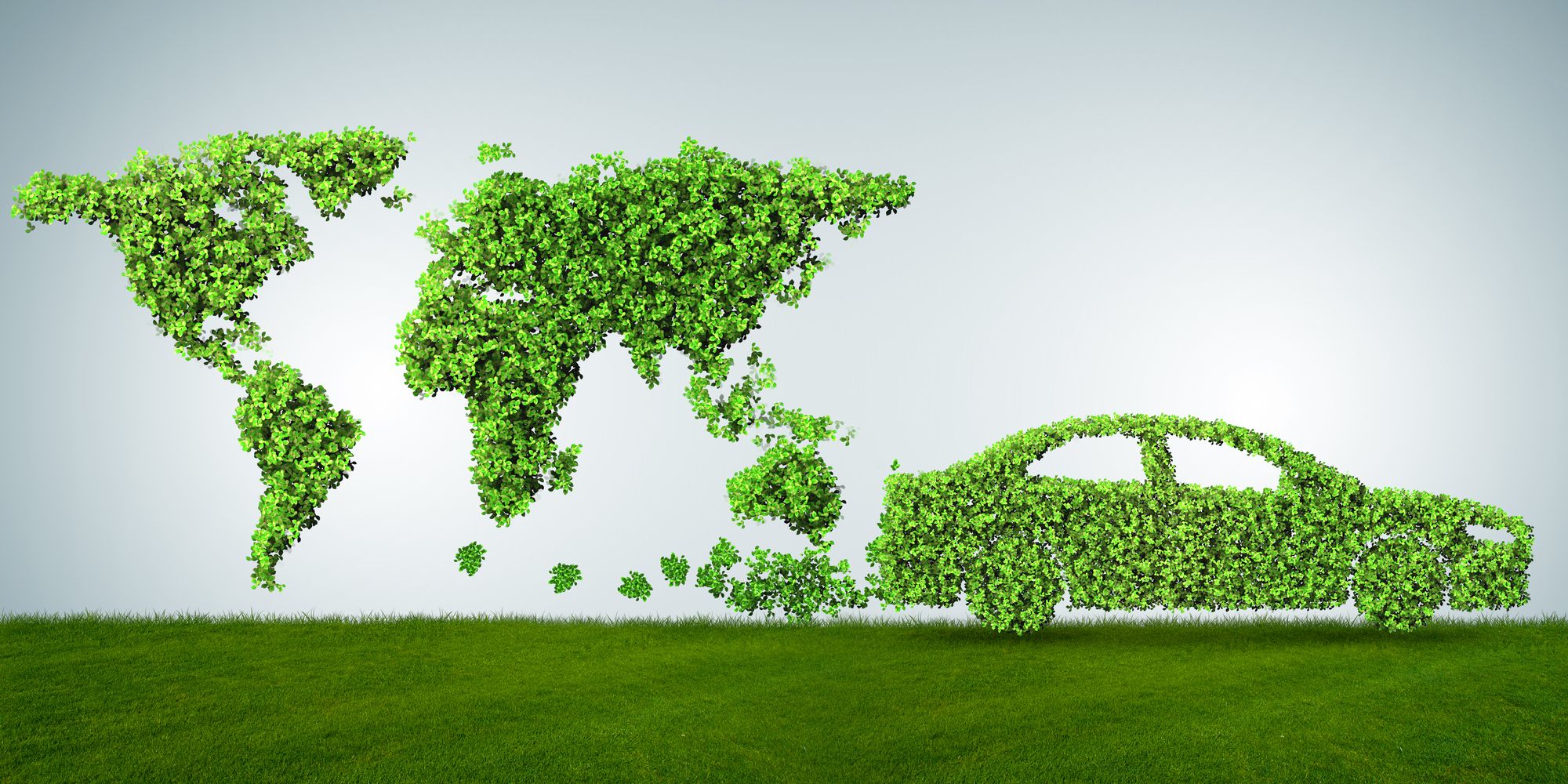
Tired of watching your fuel gauge drop faster than the trail ahead? You love your Jeep, its rugged capability, and the freedom it offers. But high gas prices and environmental concerns can put a damper on even the most epic adventures. The good news? You don’t have to choose between enjoying your Jeep and being eco-conscious.
Eco-driving isn't about turning your Jeep into a Prius. It's about adopting smarter driving habits that improve fuel efficiency, reduce emissions, and even enhance your overall driving experience. It’s about getting the most out of every gallon, whether you're cruising city streets or tackling tough terrain. We'll show you how making small changes can lead to significant savings, all without sacrificing the Jeep spirit.
Ready for an easy win? Try this: gradually accelerate from a stop. Avoid flooring the gas pedal, especially when starting from a standstill. This reduces the amount of fuel your engine needs to burn to get up to speed, significantly improving your Jeep fuel efficiency tips.
Mastering Eco-Driving for Your Jeep
Eco-driving is more than just a trend; it's a practical approach to saving money and reducing your environmental impact while still enjoying the thrill of owning a Jeep. It’s about understanding how your driving habits affect your fuel consumption and making conscious choices to optimize efficiency. Let's dive into some key areas where you can make a difference.
Tire Pressure: The Unsung Hero of Fuel Efficiency
Your tires play a crucial role in your Jeep's fuel economy. Underinflated tires increase rolling resistance, meaning your engine has to work harder to maintain speed. This translates directly into lower miles per gallon.
Check Regularly: Invest in a reliable tire pressure gauge and check your tire pressure at least once a month, and before any long trips. Follow Recommendations: Refer to the sticker on your driver's side doorjamb or your owner's manual for the recommended tire pressure for your Jeep model. Adjust for Load:If you're carrying heavy cargo or towing a trailer, you may need to increase tire pressure slightly. Consult your owner's manual for specific guidelines.
Maintaining proper tire pressure is one of the simplest and most effective ways to improve your Jeep fuel efficiency. It’s a small effort that yields big rewards.
The Power of Smooth Acceleration and Braking
Aggressive driving habits, such as rapid acceleration and hard braking, are major culprits when it comes to fuel waste. By adopting a smoother, more controlled driving style, you can significantly improve your Jeep's gas mileage.
Gentle Acceleration: Avoid stomping on the gas pedal when starting from a stop or accelerating to merge onto the highway. Instead, gradually increase your speed. Anticipate Traffic: Pay attention to traffic flow and anticipate changes in speed. This allows you to avoid unnecessary braking and maintain a more consistent speed. Engine Braking:When slowing down, try lifting your foot off the gas pedal and allowing the engine to gradually decelerate the vehicle. This can help save fuel and reduce wear and tear on your brakes.
Adopting these smooth driving techniques will not only save you money at the pump, but also make for a more relaxed and enjoyable driving experience. This is especially true when considering fuel-saving Jeep habits for daily commutes.
Minimizing Idle Time: A Simple Way to Save
Idling is a fuel-guzzler. When your Jeep is sitting still with the engine running, you're getting zero miles per gallon. Reducing idle time is one of the easiest ways to conserve fuel.
Avoid Unnecessary Idling: If you're stopped for more than a minute, turn off the engine. Modern vehicles are designed to restart quickly and efficiently, so there's no need to let them idle unnecessarily. Drive-Thru Alternatives: Instead of waiting in a long drive-thru line, consider parking and going inside. This allows you to turn off the engine and avoid idling. Plan Your Route:Minimize stops and traffic congestion by planning your route in advance. This can help you avoid idling in traffic jams.
These simple steps will add up over time, saving you money and reducing emissions.
Cruise Control: Your Highway Fuel-Saving Friend
Cruise control can be a valuable tool for maintaining a consistent speed on the highway, which can improve fuel efficiency. However, it's important to use it wisely.
Use on Flat Terrain: Cruise control works best on relatively flat terrain. On hilly roads, it can cause the engine to work harder to maintain speed, negating any fuel savings. Adjust to Traffic: Be prepared to disengage cruise control if traffic conditions change. Maintaining a safe following distance is always the priority. Consider Adaptive Cruise Control:If your Jeep is equipped with adaptive cruise control, which automatically adjusts speed to maintain a safe distance from the vehicle ahead, it can be even more effective at saving fuel.
By using cruise control strategically, you can optimize your Jeep's fuel efficiency on the highway.
Green Off-Road Driving: Minimizing Impact on the Trails
While Jeeps are known for their off-road prowess, it's important to practice responsible and eco-friendly driving habits when hitting the trails. Green off-road driving isn't just about fuel efficiency; it's also about minimizing your environmental impact.
Stay on Designated Trails: Avoid creating new trails or driving off-trail, as this can damage vegetation and disrupt wildlife habitats. Tread Lightly: Drive slowly and carefully, avoiding excessive wheel spin. This helps prevent erosion and minimizes damage to the trail surface. Pack Out What You Pack In: Carry out all trash and debris, and avoid leaving any trace of your visit. Respect Wildlife: Observe wildlife from a distance and avoid disturbing their natural behavior. Consider Electric Winches:While gas-powered winches have been the standard for years, more and more electric winches are available to save fuel and reduce exhaust fumes.
By practicing these green off-road driving principles, you can help preserve the trails for future generations to enjoy. This also shows respect for the land and its inhabitants. When tackling tougher terrain, use low gears effectively; low gears can surprisingly save fuel by reducing strain on the engine at slower speeds.
People Also Ask
Can Jeeps really be fuel efficient?
While Jeeps are not typically known for being the most fuel-efficient vehicles, it's definitely possible to improve their gas mileage through eco-driving habits. By adopting the techniques described in this guide, you can make a noticeable difference in your Jeep's fuel consumption. Also, consider that regular maintenance, such as changing air filters and using the recommended oil, can contribute to better efficiency.
What eco-driving habits save the most gas in a Jeep?
Several habits can significantly impact fuel efficiency. Maintaining proper tire pressure, avoiding aggressive acceleration and braking, minimizing idle time, and using cruise control wisely are among the most effective. Combining these techniques will yield the best results. Furthermore, removing unnecessary weight from your Jeep can also improve gas mileage.
Does off-road driving ruin fuel efficiency?
Off-road driving typically results in lower fuel efficiency compared to on-road driving. This is due to the increased rolling resistance of the terrain, the use of low gears, and the potential for more aggressive driving. However, by practicing green off-road driving techniques, such as staying on designated trails, driving slowly and carefully, and avoiding excessive wheel spin, you can minimize the impact on your fuel economy and the environment.
Routine Maintenance: Keeping Your Jeep Running Efficiently
Regular maintenance is essential for ensuring your Jeep is running at peak efficiency. Neglecting maintenance can lead to decreased fuel economy and increased emissions.
Oil Changes: Follow the manufacturer's recommended oil change schedule. Using the correct type of oil can also improve fuel efficiency. Air Filter: A clean air filter allows the engine to breathe properly. Replace it regularly according to the owner's manual. Spark Plugs: Worn spark plugs can reduce fuel efficiency. Replace them as recommended. Tune-Ups: Regular tune-ups can help ensure your engine is running smoothly and efficiently. Check for Leaks:Regularly inspect your Jeep for any fluid leaks, such as oil, coolant, or fuel. Addressing leaks promptly can prevent further damage and improve fuel efficiency.
The Impact of Accessories and Modifications
Adding accessories and modifications to your Jeep can affect its fuel efficiency. Consider the impact of these changes before making them.
Roof Racks and Cargo Carriers: These accessories can increase aerodynamic drag, reducing fuel economy. Remove them when not in use. Larger Tires: While larger tires can improve off-road capability, they can also increase rolling resistance and reduce fuel efficiency. Lift Kits: Lift kits can also increase aerodynamic drag. Heavy Bumpers and Winches: Adding heavy bumpers and winches can increase the overall weight of your Jeep, reducing fuel efficiency.
Choose accessories and modifications wisely, considering their impact on fuel economy.
Plan Your Trips Wisely
Strategic trip planning is another valuable tool to save on fuel.
Combine Errands: Instead of making multiple short trips, try to combine errands into a single trip. This allows your engine to warm up fully and operate more efficiently. Avoid Peak Traffic: Driving during peak traffic hours can lead to stop-and-go driving, which wastes fuel. Try to travel during off-peak hours whenever possible. Use Navigation Apps: Navigation apps can help you find the most efficient route, avoiding traffic congestion and construction delays. Carpool: If possible, carpool with others to reduce the number of vehicles on the road.
By planning your trips strategically, you can minimize fuel consumption and save money.
Driving your Jeep with fuel efficiency in mind is about making smart, conscious choices. By implementing these simple eco-driving habits, you'll see real results – more money in your pocket, a lighter footprint on the environment, and the satisfaction of knowing you’re driving responsibly. It's about finding the balance between enjoying your Jeep's capabilities and being mindful of its impact. Embrace these fuel-saving Jeep habits, and get ready to explore with a renewed sense of purpose, knowing you're contributing to a more sustainable future, one adventure at a time.

Posting Komentar