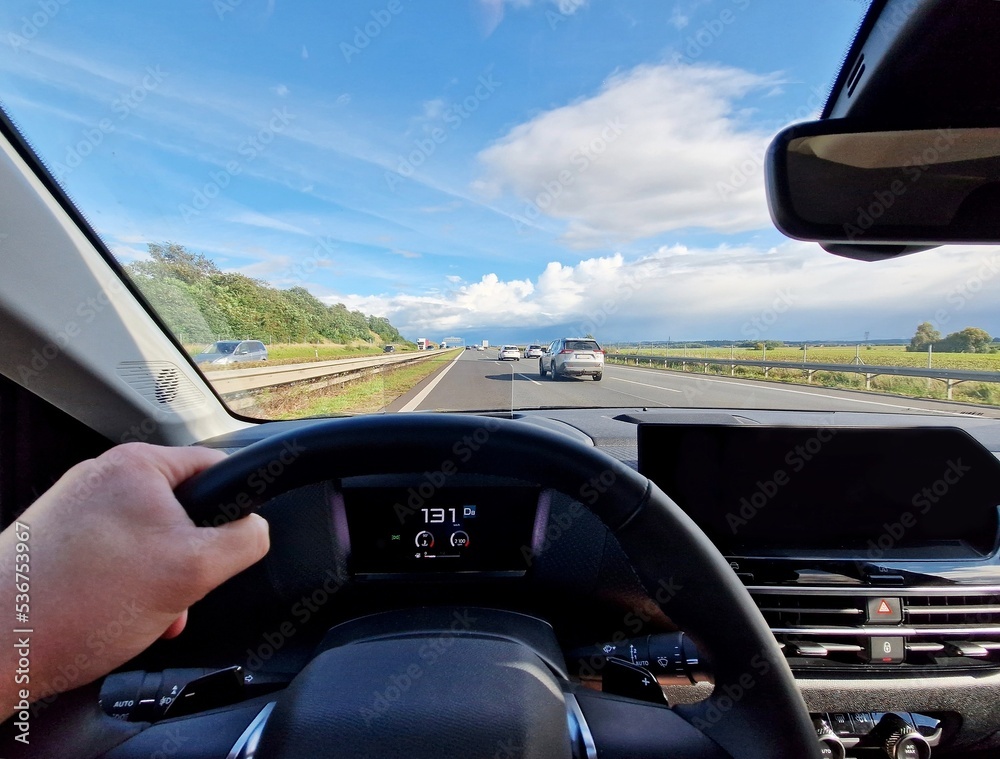
Are you tired of watching your gas gauge drop faster than a Wrangler down a rocky slope? We get it. Filling up a Jeep, especially with today's fuel costs, can feel like an extreme sport in itself. But what if we told you there’s a way to keep more money in your pocketwithouttrading in your beloved Jeep for something less capable?
Eco-driving isn't about turning your Jeep into a Prius. It's about adopting a few simple, effective driving habits that can significantly improve your Jeep's fuel efficiency. We're talking about maximizing mileage whether you're cruising city streets, tackling highway commutes, or even venturing off the beaten path. It’s about smart driving, not slow driving, allowing you to enjoy your Jeep to the fullest while being kinder to your wallet and the environment.
Want a change you can maketoday? Try this:anticipate stops and starts. Instead of slamming on the brakes at the last second, ease off the accelerator and let your Jeep coast to a stop whenever possible. This simple adjustment can save you fuel, reduce wear and tear on your brakes, and even make your ride smoother.
Mastering Eco-Driving in Your Jeep
Eco-driving is more than just a trend; it's a practical approach to getting the most out of your Jeep while minimizing your impact. It's about understanding how your driving habits affect fuel consumption and making conscious choices to improve efficiency. The beauty is that these changes often enhance the overall driving experience, making it smoother and more enjoyable.
Understanding Your Jeep's Fuel Consumption
Before diving into specific techniques, it's important to understand what affects your Jeep's fuel consumption. Several factors contribute, including: Driving Style: Aggressive acceleration, hard braking, and high speeds are major fuel guzzlers. Vehicle Maintenance: A poorly maintained engine, low tire pressure, and dirty air filters can all reduce fuel efficiency. Load and Cargo: The heavier your Jeep, the more fuel it will consume. Terrain: Off-road driving and hilly terrain naturally require more fuel. Accessories:Aftermarket additions like oversized tires, roof racks, and winches can impact aerodynamics and weight, increasing fuel consumption.
By being aware of these factors, you can begin to make informed decisions about how you drive and maintain your Jeep.
Fuel-Saving Jeep Habits for Everyday Driving
Here's a breakdown of practical, fuel-saving habits you can easily incorporate into your daily driving routine: Smooth Acceleration: Accelerate gently and gradually. Avoid flooring the gas pedal, as this wastes fuel unnecessarily. Visualize accelerating as if you have a glass of water on your dashboard you don't want to spill. Maintain a Steady Speed: Use cruise control on the highway to maintain a constant speed and avoid unnecessary acceleration and deceleration. Anticipate Traffic: Pay attention to traffic flow and anticipate stops and starts. This allows you to coast more often, reducing the need for braking and acceleration. Avoid Idling: Idling wastes fuel. If you're stopped for more than a minute, turn off your engine. Modern Jeeps are designed to be restarted easily without causing excessive wear and tear. Proper Tire Inflation: Check your tire pressure regularly and inflate your tires to the recommended pressure. Underinflated tires increase rolling resistance and reduce fuel efficiency. You can find the recommended tire pressure on a sticker inside your driver's side doorjamb. Regular Maintenance: Keep your Jeep properly maintained with regular oil changes, air filter replacements, and tune-ups. A well-maintained engine runs more efficiently. Reduce Weight: Remove unnecessary items from your Jeep to reduce weight and improve fuel efficiency. Every extra pound adds up! Use the Right Gear: If you have a manual transmission, be sure to shift into the appropriate gear for the speed and terrain. Avoid lugging the engine in too high of a gear or revving it unnecessarily in too low of a gear. Plan Your Route:Before heading out, plan your route to avoid traffic congestion and unnecessary detours. A shorter, more direct route will save you fuel.
People Also Ask: Can Jeeps really be fuel efficient?
While Jeeps are known for their off-road capabilities rather than their fuel efficiency, implementing eco-driving techniques can significantly improve their gas mileage. It's all about optimizing your driving habits and maintaining your vehicle properly. You might be surprised at the difference you can make!
Eco-Driving for Off-Road Adventures
Even when you're hitting the trails, you can still practice eco-driving principles to minimize your environmental impact and extend your fuel range.
Choose the Right Gear: Select the appropriate gear for the terrain to avoid excessive wheel spin and engine strain. Maintain Momentum: Maintain a steady momentum to avoid getting stuck and wasting fuel. Avoid Unnecessary Wheel Spin: Spinning your wheels wastes fuel and can damage the environment. Use traction control features and choose your lines carefully. Respect the Environment: Stay on designated trails and avoid disturbing sensitive areas.
People Also Ask: Does off-road driving ruin fuel efficiency?
Yes, off-road driving typically reduces fuel efficiency due to the challenging terrain and increased engine load. However, by employing careful driving techniques and proper vehicle maintenance, you can minimize the impact and still enjoy your off-road adventures responsibly. Consider investing in fuel-efficient off-road tires and ensuring your Jeep is properly geared for the terrain.
The Role of Technology in Jeep Fuel Efficiency
Modern Jeeps are equipped with various technologies that can help improve fuel efficiency. Understanding and utilizing these features can make a significant difference.
Eco Mode: Many Jeep models offer an "Eco" mode that optimizes engine performance and transmission settings for maximum fuel efficiency. Experiment with this mode to see how it affects your driving experience. Start-Stop System: Some Jeeps have a start-stop system that automatically shuts off the engine when the vehicle is stopped and restarts it when you release the brake. This can save fuel in stop-and-go traffic. Fuel Economy Display: Use the fuel economy display to monitor your fuel consumption in real-time. This can help you identify areas where you can improve your driving habits. Infotainment System: Some infotainment systems offer fuel-saving tips and suggestions based on your driving patterns. Hybrid and Electric Models:Consider hybrid or electric Jeep models, like the Wrangler 4xe, for significantly improved fuel efficiency and reduced emissions.
People Also Ask: What eco-driving habits save the most gas in a Jeep?
While all eco-driving habits contribute to fuel savings, the most impactful ones include smooth acceleration and braking, maintaining a steady speed, avoiding idling, and ensuring proper tire inflation. These practices directly address the primary factors that influence fuel consumption in a Jeep.
Maintaining Your Jeep for Optimal Fuel Efficiency
Regular maintenance is crucial for ensuring your Jeep runs efficiently and reliably. Neglecting maintenance can lead to decreased fuel economy and costly repairs.
Oil Changes: Change your oil regularly according to the manufacturer's recommendations. Air Filter Replacement: Replace your air filter regularly to ensure proper airflow to the engine. Spark Plug Replacement: Replace your spark plugs as recommended to maintain optimal engine performance. Tire Rotation: Rotate your tires regularly to ensure even wear and extend their lifespan. Wheel Alignment: Get your wheels aligned regularly to prevent uneven tire wear and improve fuel efficiency. Fluid Checks: Regularly check and top off all fluids, including coolant, brake fluid, and power steering fluid. Diagnostic Checks:Have your Jeep's computer system scanned regularly for any potential issues.
Small Changes, Big Impact
Improving your Jeep's fuel efficiency doesn't require a complete overhaul of your driving style. By incorporating these simple eco-driving techniques and prioritizing regular maintenance, you can significantly reduce your fuel consumption, save money, and minimize your environmental impact. Remember, every little bit helps!
Driving a Jeep is about freedom and adventure, and with these fuel-saving tips, you can enjoy those experiences even more without constantly worrying about the next fill-up. So, embrace these sustainable driving habits and hit the road with confidence, knowing you're making a positive difference, one mile at a time. It’s about responsible adventuring and enjoying the journey, not just the destination.

Posting Komentar