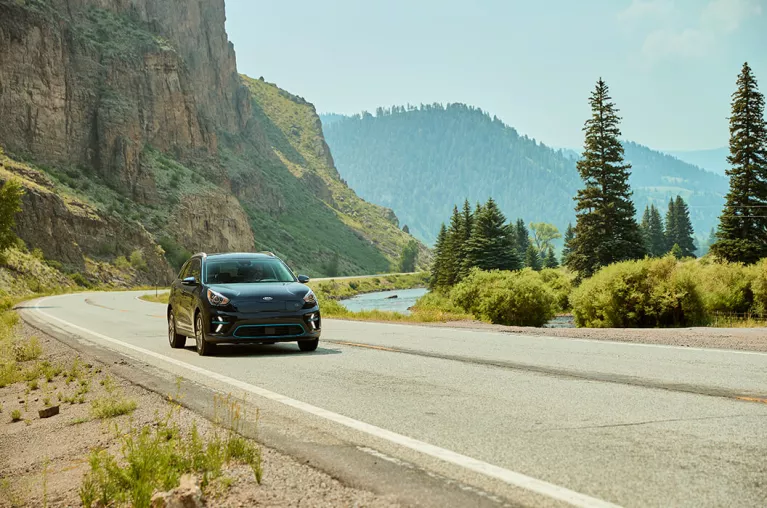
Tired of watching your fuel gauge drop faster than a Jeep climbing a sand dune? You’re not alone. Every Jeep owner loves the freedom and capability their vehicle offers, but the cost at the pump – and the impact on the environment – can be a real concern.
The good news is that you don't have to sacrifice your Jeep adventures to be more eco-conscious. Eco-driving, or driving in a way that minimizes fuel consumption and emissions, can make a significant difference. This isn't about turning your Jeep into a Prius; it's about smart driving techniques that maximize your Jeep's efficiency without compromising its performance or your enjoyment. We're talking about practical changes you can implement today to save money and reduce your carbon footprint, all while still enjoying everything your Jeep was built for.
Here’s something you can try right now: anticipate traffic flow. Instead of slamming on the brakes when the car in front of you slows down, try to read the road ahead. Ease off the accelerator early and let your Jeep coast as much as possible. This simple change can significantly reduce fuel consumption and brake wear.
Mastering Eco-Driving in Your Jeep
Eco-driving isn't just a trend; it's a collection of proven techniques that can dramatically improve your Jeep's fuel efficiency and reduce emissions. It’s about understanding your vehicle and making conscious choices behind the wheel. Think of it as "Jeep fuel efficiency tips" combined with responsible driving habits.
So, how do you master eco-driving in your Jeep? Let's break down some key areas: Smooth Acceleration and Deceleration: Aggressive acceleration and hard braking are major fuel-guzzlers. Instead, aim for smooth, gradual acceleration. Imagine you have a cup of coffee on your dashboard – accelerate gently enough that you wouldn't spill it. Similarly, avoid abrupt braking by anticipating traffic and coasting whenever possible. Maintain a Steady Speed: Speed fluctuations burn extra fuel. Use cruise control on the highway whenever safe and maintain a consistent speed. Avoid "pedal pumping," where you constantly adjust the accelerator, as this wastes gas. Minimize Idling: Idling gets you absolutely nowhere and wastes fuel. If you're going to be stopped for more than a minute, turn off your engine. Modern Jeep engines are designed to restart quickly and efficiently, so you won't be causing any harm. Proper Tire Inflation: Underinflated tires increase rolling resistance, which forces your engine to work harder and consume more fuel. Check your tire pressure regularly (at least once a month) and inflate them to the recommended pressure listed in your owner's manual or on the sticker inside your driver's side door. Reduce Weight: Carrying unnecessary weight in your Jeep reduces fuel efficiency. Remove any items you don't need from your vehicle, such as extra tools, sporting equipment, or camping gear. Plan Your Routes: Combine errands into one trip and plan your routes to avoid traffic congestion. Use navigation apps to find the most efficient route and avoid stop-and-go traffic. Regular Maintenance: A well-maintained Jeep is a fuel-efficient Jeep. Follow the recommended maintenance schedule in your owner's manual, including oil changes, air filter replacements, and spark plug replacements. Use the Right Gear: If you have a manual transmission, be sure to shift into the highest gear possible without lugging the engine. This will help you maintain a lower RPM and improve fuel economy. Automatic transmissions are generally optimized for fuel efficiency, but you can still be mindful of your driving habits to maximize their performance.
By incorporating these eco-driving habits into your routine, you can significantly improve your Jeep's fuel efficiency and reduce emissions without sacrificing its performance or your enjoyment. It’s about combining "fuel-saving Jeep habits" with a conscious effort to drive more responsibly.
Eco-Friendly Off-Roading: Green Adventures
For many Jeep owners, off-roading is a way of life. But hitting the trails doesn’t have to mean abandoning your commitment to reducing emissions. In fact, there are several ways to enjoy "green off-road driving" and minimize your environmental impact.
Tread Lightly: Stick to designated trails and avoid driving on fragile vegetation or sensitive areas. Stay on established paths to prevent erosion and protect the natural environment. Reduce Tire Pressure: Lowering your tire pressure increases traction on soft surfaces, reducing the need for wheel spin and minimizing damage to the terrain. Just remember to re-inflate your tires to the appropriate pressure before returning to paved roads. Avoid Unnecessary Idling: When you're stopped on the trail, turn off your engine to reduce emissions and conserve fuel. Pack Out Everything You Pack In: Leave no trace behind. Pack out all trash, food wrappers, and other waste. Respect Wildlife: Observe wildlife from a distance and avoid disturbing their natural habitats. Never feed wild animals. Maintain Your Vehicle: Ensure your Jeep is in good working order before hitting the trails. A properly maintained vehicle is less likely to break down or leak fluids, which can harm the environment. Choose Eco-Friendly Products: Use biodegradable soaps and cleaners when washing your Jeep or camping gear. Avoid using harsh chemicals that can pollute the environment. Support Responsible Off-Roading Organizations: Join or support organizations that promote responsible off-roading practices and conservation efforts.
By following these tips, you can enjoy the thrill of off-roading while minimizing your impact on the environment. "Green off-road driving" is all about responsible recreation and respecting the natural world.
People Also Ask:
Can Jeeps really be fuel efficient?
While Jeeps aren't typically known for being the most fuel-efficient vehicles on the road, adopting eco-driving habits can make a noticeable difference. Proper maintenance, responsible driving techniques, and mindful route planning can significantly improve your Jeep's gas mileage.
What eco-driving habits save the most gas in a Jeep?
Smooth acceleration and deceleration, maintaining a steady speed, minimizing idling, and ensuring proper tire inflation are among the most effective eco-driving habits for saving gas in a Jeep.
Does off-road driving ruin fuel efficiency?
Off-road driving generally reduces fuel efficiency due to the increased rolling resistance of soft surfaces and the need for more power to navigate challenging terrain. However, by following responsible off-roading practices, such as sticking to designated trails and reducing tire pressure, you can minimize the impact on your fuel economy.
The Role of Aftermarket Upgrades in Fuel Efficiency
Aftermarket upgrades can be a double-edged sword when it comes to fuel efficiency. Some upgrades can improve your Jeep's performance and fuel economy, while others can have a negative impact. It's important to choose wisely and consider the potential consequences before making any modifications.
Here are some aftermarket upgrades thatcanimprove fuel efficiency: Performance Air Filter: A high-flow air filter can improve engine airflow, potentially boosting fuel efficiency. Low Rolling Resistance Tires: Swapping out your standard tires for low rolling resistance tires can reduce friction and improve gas mileage. ECU Tuning: A professional ECU tune can optimize your engine's performance and fuel efficiency. Lightweight Wheels: Reducing the weight of your wheels can improve acceleration and fuel economy.
On the other hand, some aftermarket upgrades candecreasefuel efficiency: Lift Kits and Larger Tires: Lifting your Jeep and installing larger tires increases rolling resistance and aerodynamic drag, which can significantly reduce fuel economy. Heavy Bumpers and Accessories: Adding heavy bumpers, winches, and other accessories adds weight to your Jeep, which reduces fuel efficiency. Aggressive Exhaust Systems:While an aggressive exhaust system might sound cool, it can sometimes negatively impact fuel economy by reducing backpressure.
Before making any aftermarket modifications, research the potential impact on your Jeep's fuel efficiency and choose upgrades that align with your goals. If fuel economy is a priority, opt for upgrades that improve performance without adding unnecessary weight or increasing drag.
Long-Term Benefits of Eco-Driving: More Than Just Savings
While the immediate benefit of eco-driving is saving money at the pump, the long-term benefits extend far beyond your wallet. By adopting sustainable driving habits, you're contributing to a cleaner environment, reducing wear and tear on your vehicle, and promoting a more responsible approach to transportation.
Reduced Emissions: Eco-driving helps reduce greenhouse gas emissions, which contribute to climate change. Improved Air Quality: By minimizing emissions, you're helping to improve air quality in your community. Extended Vehicle Life: Smooth driving habits reduce wear and tear on your engine, brakes, and tires, which can extend the life of your vehicle. Increased Safety: Eco-driving promotes a more attentive and proactive approach to driving, which can improve safety on the road. Reduced Dependence on Fossil Fuels:By conserving fuel, you're helping to reduce our dependence on fossil fuels and promote a more sustainable energy future.
Eco-driving is not just a short-term fix; it's a long-term investment in a healthier planet and a more sustainable future. By making small changes in your driving habits, you can make a big difference in the world.
Driving a Jeep doesn't have to be at odds with environmental responsibility. By implementing these "Jeep fuel efficiency tips" and adopting a conscious approach to driving, you can enjoy your Jeep adventures while minimizing your impact on the environment. It's about finding that sweet spot where performance, enjoyment, and sustainability intersect. Start small, stay consistent, and you'll be surprised at the difference you can make. Sustainable driving is simple, and it starts with you.

Posting Komentar